How to Propagate Yellow gentian?
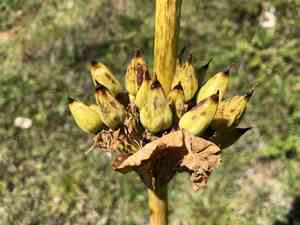
The most effective method for propagating Yellow gentian is via seeding. To achieve robust development, it is advisable to stratify the seeds, mimicking cold weather exposure prior to planting, which significantly boosts their sprouting potential. Embed the prepared seeds in a substrate that drains efficiently, ensuring they are only superficially covered. Maintaining consistent soil moisture and offering dappled sunlight will foster the best possible growth and maturation of the young plants.
Optimal Time for Yellow Gentian Propagation
Propagation Method
Seeding
Propagation Period
Spring
Tools for Yellow Gentian Propagation
Seed trays
Seed trays are vital for planting yellow gentian seeds. They enable uniform spacing and arrangement of seeds, ensuring each has ample room to grow. Their shallow depth makes it easy to monitor soil moisture, which is crucial for yellow gentian germination.
Soil mix
A well-draining, loamy soil blend aids in the successful propagation of yellow gentian from seeds. The soil should be lightly compressed and evenly spread in the seed trays. The correct soil mixture supports the delicate roots of yellow gentian during their initial growth, providing necessary nutrients and aeration.
Misting bottle
A misting bottle is essential for gently watering yellow gentian seeds. Over-watering can dislodge small seeds like those of yellow gentian, so misting offers a soft way to keep the soil moist without disturbing them. This tool also helps maintain ideal humidity around the seeds, promoting better germination rates.
Grow lights or a greenhouse
If starting yellow gentian seeds indoors or in low-light conditions, grow lights or placing trays in a greenhouse can be beneficial. These provide consistent and sufficient light, a critical factor for yellow gentian's germination and early growth stages.
Labeling materials
Labeling supplies, such as tags or markers, are important for documenting specific details about the yellow gentian propagation process. Proper labeling ensures accurate monitoring and care, especially when propagating multiple species or different seed batches.
Temperature and humidity gauge
Monitoring and maintaining appropriate temperature and humidity levels are crucial for yellow gentian germination. A gauge helps ensure the environment within a greenhouse or the area where seed trays are placed remains within optimal ranges for yellow gentian.
How to Propagate Yellow Gentian?
Propagation Type
Simple
Caring for Your Newly Propagated Yellow Gentian
Caring for Your Newly Propagated Yellow Gentian
Once seedlings are established and thinned, move them to a permanent spot with full sun to partial shade. The soil should be well-drained, slightly acidic to neutral. Water regularly to keep the soil moist, especially during dry periods, but avoid waterlogging. Annual mulching helps retain moisture and control weeds. Fertilize lightly in spring to encourage robust growth.
Common Errors to Avoid When Propagating Yellow Gentian
Excessive watering during dormancy
Overwatering yellow gentian during its dormant phase can lead to root rot and fungal issues, as the plant's water needs significantly decrease then. This can severely harm plant health and reduce propagation success.
Using overly rich soil
Employing soil that is too nutrient-dense for yellow gentian can result in weak root development. Yellow gentian naturally thrives in well-drained, less fertile soils, and too many nutrients can cause excessive foliage growth at the expense of root and overall plant health.
Neglecting root division timing
Improper timing for dividing yellow gentian's roots for propagation can unnecessarily stress the plant. Timing is crucial to ensure the roots are strong enough for successful re-establishment and growth in a new location.
Ignoring pest monitoring
Failing to regularly inspect yellow gentian for pests during propagation can lead to infestations that compromise the plant's health. Pests like aphids and root-knot nematodes can particularly affect young propagules.
Tips For Propagating Yellow Gentian
Providing optimal soil conditions
Create a well-draining soil mix with moderate fertility for yellow gentian. Mimicking its natural alpine habitat helps promote healthier root development, which is crucial for successful propagation.
Utilizing cold stratification
Since yellow gentian seeds require a cold period to germinate, simulating winter conditions through cold stratification is essential. This process helps overcome seed dormancy and stimulates germination.
Careful root division
Perform root division in late winter just before spring growth resumes. Carefully selecting and cutting through healthy roots will aid in successful propagation and minimize stress to the plant.
Regular health checks
Monitor the health of yellow gentian frequently during the propagation process. Keeping an eye on potential pest invasions and diseases early can save young plants from severe damage, thereby increasing the chances of successful propagation.



