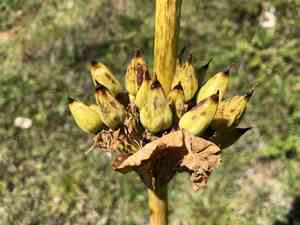
Yellow gentian (Gentiana lutea)
Also known as: Bitterwort, Yellow-flowered gentian, Centiyane, Gelber enzian
Yellow gentian (*Gentiana lutea*) is a perennial herb that thrives in well-drained, lime-rich soils. It prefers areas with good organic content and can grow in both full sun and partial shade. Known for its bitterness, this plant is commonly found in mountainous regions. The genus name *Gentiana* is derived from Gentius, an ancient Illyrian king linked to the plant.
In This Article
Attributes of Yellow gentian
Lifespan
Perennial
Plant Type
Herb
Plant Height
61 cm to 91 cm
Spread
40 cm
Leaf Color
Green
Flower Size
2.5 cm to 5 cm
Flower Color
Yellow
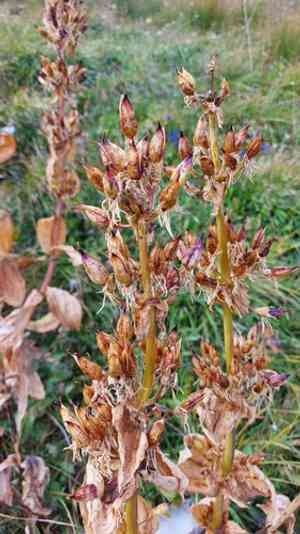
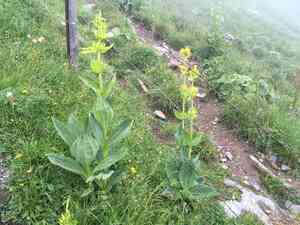
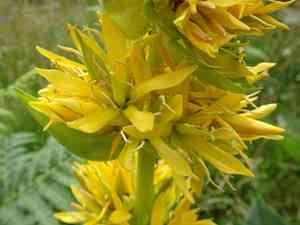
Images of Yellow gentian
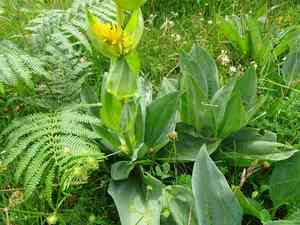
Quickly Identify Yellow gentian
1
Recognizable by its tall stems that can reach up to 1.5 meters, broad lanceolate leaves, and clusters of yellow flowers which bloom in late summer. The leaves are arranged oppositely and the plant has a stout rhizome.
Scientific Classification of Yellow gentian
Phylum
Vascular plants
Class
Dicotyledons
Order
Gentianales
Family
Gentian
Genus
Gentian
Species
Yellow gentian
Planting and Growing of Yellow gentian
Care Difficulty
Hard
Watering Schedule
Every 3 days
Sunlight Requirements
Partial sun
Sunshine Duration
6-12 hours
Ideal Temperature
59-68℉
Soil Type
Potting Mix, Peat Mix
Soil pH
6.5-7.5
Fertilizer Type
Balanced
Pruning Season
Spring, Summer
Pruning Area
Branches, Leaves
Pruning Frequency
2 times a year
Repotting Season
Spring
Pot Type
Plastic, Terracotta
 How to Water Yellow gentian?
Gentiana lutea typically requires around 500 milliliters of water per session. This mountain-loving plant thrives in moist but well-drained soil, simulating its natural habitat. Ensure that the soil is damp to the touch but not waterlogged. Overwatering can lead to root rot, while underwatering can dry out the roots, affecting the plant's growth and blooming.
What are the symptoms of an underwatered Yellow gentian?
›
What should I do if my Yellow gentian is not getting enough water?
›
What are the symptoms of an overwatered Yellow gentian?
›
How to save an overwatered Yellow gentian?
›
 What Are the Sunlight Requirements for Yellow gentian?
Gentiana lutea benefits from partial to full sun exposure, ideally between four to six hours of light daily. Proper lighting ensures lush foliage, strong growth, and abundant flowering.
More About Sunlight Requirements Techniques→
How much sunlight does Gentiana lutea need?
›
What are alternative ways to meet the sunlight requirement for indoor planting?
›
How does Gentiana lutea benefit from ideal lighting conditions?
›
 What Is the Ideal Temperature Range for Yellow gentian?
Gentiana lutea thrives best in temperatures ranging from 59°F to 68°F. This range provides optimal conditions for growth and flowering, ensuring the plant's metabolic processes function efficiently. The consistent temperatures help maintain enzyme activity and cellular functions crucial for the plant's health.
 What Soil is Best for Yellow gentian?
Gentiana lutea thrives in well-draining soil that prevents water from stagnating around the roots. This type of soil helps to prevent root rot and ensures the plant receives adequate oxygen through the root system. A soil rich in organic matter provides the necessary nutrients for Gentiana lutea to flourish. Compost or well-rotted manure can enrich the soil, promoting robust growth and vibrant blooms. While Gentiana lutea appreciates well-draining soil, it also requires a moderate level of water retention to retain moisture during dry spells. This balance helps the plant maintain consistent hydration without oversaturation.
 How to Fertilize Yellow gentian?
Gentiana lutea thrives on a balanced nutrient supply, requiring modest quantities of both macro and micronutrients. Use approximately 1/4 to 1/2 teaspoon of liquid fertilizer per gallon of water for optimal growth.
 How to Prune Yellow gentian?
Start by identifying and removing any dead or damaged stems. Look for stems that appear brown or brittle and have no signs of green growth. Cutting these back to the base will encourage the plant to focus its energy on healthy growth. After removing dead stems, focus on shaping the plant. Cut back long, spindly stems to a pair of healthy leaves to encourage bushier growth. This not only gives the plant a more appealing shape but also assists in better flowering the following season.
More About Pruning Techniques→
 How to Propagate Yellow gentian plant?
1
Begin by collecting ripe seeds from a mature Gentiana lutea plant. Sow the seeds on the surface of a seed tray filled with a seed-starting mix. Gently cover them with a thin layer of soil and water lightly to promote germination.
2
Select a healthy, non-flowering stem and cut a six-inch piece. Remove the leaves from the bottom half and dip the cut end in rooting hormone powder to encourage root development. Plant the cutting in a small pot filled with a well-draining potting mix.
3
In early spring or early summer, carefully dig up an established Gentiana lutea plant. Use a sharp knife to divide the root ball into smaller sections, each with healthy roots. Replant these divisions in well-prepared soil, ensuring they are watered well initially.
 How to Repot Yellow gentian plant?
1
Repotting Gentiana lutea should be considered when you notice roots growing out of the drainage holes or the plant becoming top-heavy and unstable. Spring and Autumn offer ideal conditions as the plant is not in peak flowering, giving it time to adjust to the new pot.
2
Choose a pot that is 1-2 inches larger in diameter than the current one. This provides enough space for root growth without overwhelming the plant with excess soil. A pot with good drainage is crucial to prevent water stagnation and root rot, ultimately aiding healthy plant growth.
3
Gentiana lutea thrives in well-draining and neutral pH soil. Ideally, the soil mix should include a combination of potting soil, sand, and perlite. This ensures adequate aeration and drainage, which prevents waterlogging and supports robust root health.
Learn More About Yellow gentian Diseases
Anthracnose
Bacterial Leaf Spot
Bacterial Soft Rot
Bacterial Wilt
Chemical Injury
Crown Gall
Cyst Nematode
Damping-off
Downy Mildew
Drought Stress
Fusarium Wilt
Gray Mold
Leaf Spot
Mosaic
Nutrient Deficiency
Nutrient Toxicity
Powdery Mildew
Root Rot
Root-knot Nematode
Rusts
Sooty Mold
Spider Mites
Temperature Stress
Thrips Damage
White Mold



