How to Propagate Box huckleberry?
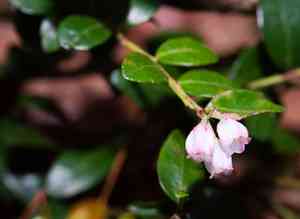
Effective propagation of Box huckleberry is achieved via stem sections. To ensure successful development, choosing robust, pathogen-free stems is crucial. Cuttings must be carefully harvested, making sure each possesses multiple nodes. A rooting stimulant can boost the likelihood of root formation, and the inserted cuttings should be maintained in environments with elevated moisture and diffused light until they become established.
Optimal Period for Box Huckleberry Propagation
Propagation Method
Cutting
Propagation Period
Autumn,Winter
Tools Required for Box Huckleberry Propagation
Sharp pruning shears
These are vital for obtaining healthy, precise cuttings from box huckleberry. Their sharp blades ensure clean cuts, minimizing harm to the parent plant and boosting the chances of successful rooting. Clean cuts also help prevent disease and stress for box huckleberry.
Rooting hormone
Aids in speeding up root development from box huckleberry cuttings. Dipping the cutting ends in rooting hormone before planting encourages faster root formation, increasing propagation success. It's especially important for box huckleberry to quickly establish a strong root system.
Sterile potting mix
A clean, nutrient-rich potting medium, never previously used for planting and specifically formulated for cuttings, offers an ideal environment for box huckleberry roots to grow. Sterility helps prevent disease, which is crucial during the delicate initial stages of root development for box huckleberry.
Humidity dome or plastic wrap
Maintains a high moisture environment around box huckleberry cuttings, essential for preventing the delicate new growth from drying out. This tool ensures cuttings stay hydrated until they can sustain themselves independently, which is vital for their survival and growth.
Heat mat
Promotes root growth by providing a consistent warmth source beneath the propagation medium. Box huckleberry benefits from a warmer root zone, which can significantly enhance the rooting process, particularly in cooler climates or during colder times of the year.
How to Propagate Box Huckleberry?
Propagation Type
Moderately Difficult
Caring for Your Newly Propagated Box Huckleberry
Caring for Your Newly Propagated Box Huckleberry?
Once roots are established, gradually introduce the young plants to outdoor conditions. Transplant them to a shaded or partially shaded garden spot with acidic soil. Maintain consistent moisture and apply mulch to keep the soil cool and damp. Fertilize lightly in spring. Protect from harsh winter conditions if needed, using straw or leaf mulch.
Common Errors to Avoid When Propagating Box Huckleberry
Overwatering
Excessive watering can lead to root rot and fungal growth, which are harmful to the health and survival of box huckleberry. This plant prefers well-drained soil, and too much moisture can hinder root development.
Deep planting
Planting box huckleberry too deeply can stress the plant and result in poor root development. This error can delay or prevent the establishment of new plants, as their shallow root systems are crucial for initial growth.
Ignoring soil conditions
Using an unsuitable soil type can impede the propagation success of box huckleberry. This plant thrives in acidic, well-drained soil, and using alkaline or poorly draining soils can lead to poor growth and lower survival rates.
Tips For Propagating Box Huckleberry
Softwood cuttings
Utilizing softwood cuttings during the appropriate season ensures a higher success rate. This method encourages quicker rooting and establishment for box huckleberry, potentially boosting the overall health and vigor of new plants.
Light and humidity control
Maintaining moderate light and humidity levels is crucial when propagating box huckleberry. High humidity helps prevent leaf desiccation, while sufficient but not excessive light promotes healthy growth without causing stress.
Regular monitoring
Consistently checking the health of cuttings can prevent early signs of distress from escalating into more severe issues. This includes monitoring for pests, diseases, and ensuring appropriate soil moisture and pH for box huckleberry's needs.



