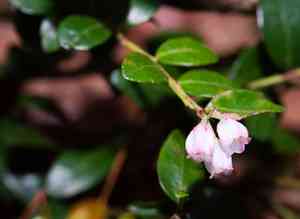
Box huckleberry (Gaylussacia brachycera)
Also known as: Box Huckleberry
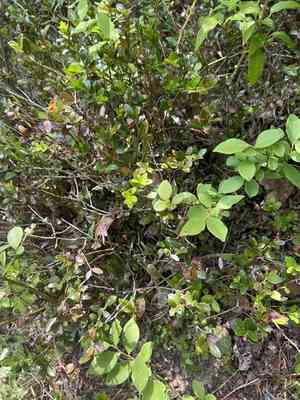
The box huckleberry is a low-growing shrub, reaching heights of 15 to 20 cm. Its leaves, which resemble those of the boxwood plant, are around 2.5 cm in length and have an oval shape. They are glossy, with fine serrations along the edges, and turn red during the winter months. Unlike other species in the Gaylussacia genus, the evergreen leaves of the box huckleberry lack resin glands. This shrub blooms in the spring and summer.
In This Article
Attributes of Box huckleberry
Lifespan
Perennial
Plant Type
Shrub
Plant Height
30 cm to 91 cm
Spread
Up to 1 meter (3 feet)
Leaf Color
Green
Flower Size
Less than 1 centimeter
Flower Color
White Pink
Images of Box huckleberry
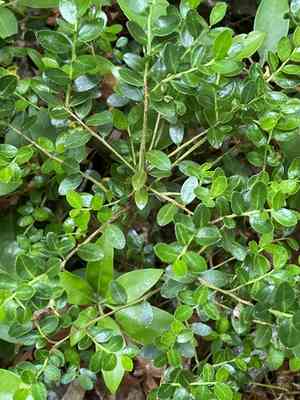
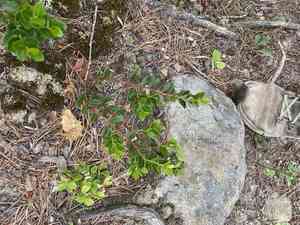
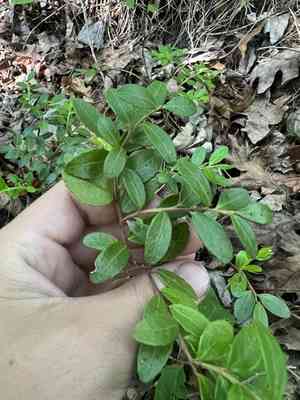
Quickly Identify Box huckleberry
1
Box huckleberry can be identified by its glossy, leathery, dark green leaves that turn bronze in winter. The plant produces small, white to pinkish urn-shaped flowers and tiny blue to black berries.
Scientific Classification of Box huckleberry
Phylum
Vascular plants
Class
Dicotyledons
Order
Ericales
Family
Heath
Genus
Huckleberry
Species
Box huckleberry
Planting and Growing of Box huckleberry
Care Difficulty
Easy
Watering Schedule
Every 2 days
Sunlight Requirements
Partial sun
Sunshine Duration
4-8 hours
Ideal Temperature
60-75℉
Soil Type
Potting Mix, Peat Mix
Soil pH
4-5.5
Fertilizer Type
Balanced
Pruning Season
Spring, Summer
Pruning Area
Branches, Leaves
Pruning Frequency
2 times a year
Repotting Season
Spring
Pot Type
Plastic, Ceramic
 How to Water Box huckleberry?
For Gaylussacia brachycera, the watering amount is best regulated by the plant's immediate environment and soil condition. It's crucial to water it until the soil is moist but not drenched, roughly around 500 milliliters per session. This amount ensures that the plant's roots receive ample hydration without leading to waterlogged conditions.
What are the symptoms of an underwatered Box huckleberry?
›
What should I do if my Box huckleberry is not getting enough water?
›
What are the symptoms of an overwatered Box huckleberry?
›
How to save an overwatered Box huckleberry?
›
 What Are the Sunlight Requirements for Box huckleberry?
Gaylussacia brachycera prefers partial sun or full shade, which leads to healthy foliage and more robust growth. This environment supports its natural growth pattern, allowing it to thrive and resist common pests and diseases.
What kind of light does Gaylussacia brachycera thrive in?
›
How to create the perfect lighting for Gaylussacia brachycera indoors?
›
What are the benefits of optimal lighting for Gaylussacia brachycera?
›
 What Is the Ideal Temperature Range for Box huckleberry?
The ideal temperature range for Gaylussacia brachycera, commonly known as the Box Huckleberry, is between 60°F and 75°F. Within this range, the plant can photosynthesize effectively and maintain healthy growth. Conditions should favor mild weather, as extreme deviations can impact the plant's physiological processes.
 What Soil is Best for Box huckleberry?
Gaylussacia brachycera thrives in well-drained soil to prevent root rot and maintain healthy growth. It's essential as the plant is susceptible to waterlogging, which can lead to fungal infections. A well-drained substrate ensures aeration and optimal root development, putting your plant on the path to flourish. This plant benefits from a nutrient-rich substrate, as it supports vigorous growth and robust foliage. Organic matter like compost can enhance soil fertility, providing a steady release of nutrients, which strengthens plant resilience against diseases and environmental stresses. Preferring acidic soil, Gaylussacia brachycera exhibits optimal growth within a pH range of 4.0 to 5.5. This environment enhances nutrient absorption, particularly essential minerals, contributing to the vibrant health and flowering potential of this species.
 How to Fertilize Box huckleberry?
Gaylussacia brachycera, known for its unique charm, thrives with a sparing but precise feeding regimen. Apply a balanced, water-soluble fertilizer at a rate of half the recommended strength during the growing season to maintain health without overloading the roots.
 How to Prune Box huckleberry?
Begin by sterilizing your pruning shears, ensuring no pathogens are introduced to the plant. Start by removing any dead, damaged, or diseased branches back to the main stem. This allows air and sunlight to penetrate the plant's interior, reducing the risk of disease and promoting vigorous growth. Dispatch any crossing branches that might rub against each other, as this can create wounds. Aim to create an open, vase-like shape for optimal aesthetics and health. While maintaining its natural form, carefully shape Gaylussacia brachycera by selectively pruning to retain its compact and bushy appearance. Avoid over-pruning, as this plant naturally has a slow growth rate and excessive cuts might hinder its form and vigor. Focus on maintaining its aesthetic appeal, fostering an inviting and full structure.
 How to Propagate Box huckleberry plant?
1
Begin by identifying a healthy, mature Gaylussacia brachycera plant. Water the plant a day before propagation to ensure the plant is hydrated, which makes the process less stressful for the plant and promotes better cutting survival.
2
Choose a healthy stem free from disease or pests and cut a 4-6 inch section below a leaf node. It is crucial to make the cut at a 45-degree angle to increase the surface area for rooting.
3
Dip the cut end of the stem into rooting hormone and plant it in a prepared pot with appropriate soil. The soil should be well-draining and humid to support new root growth. Maintain the soil moisture by regular watering.
 How to Repot Box huckleberry plant?
1
It's crucial to repot Gaylussacia brachycera when you notice roots beginning to emerge from the drainage holes of its current pot. Other indicators include slower growth and persistent wilting despite regular watering. Spring offers the plant a gentler awakening, ensuring new roots establish themselves without stress.
2
Select a pot that's one size larger than its current home with ample drainage holes at the bottom to prevent waterlogging. Materials like terracotta are ideal as they are breathable, aiding in moisture regulation and preventing root rot, crucial for healthy plant development.
3
Opt for an acidic, well-draining soil mixture rich in organic matter. This type of soil mimics the plant's natural forest floor habitat, promotes healthy root systems and ensures nutrients are efficiently absorbed, enhancing growth and foliage vibrance.



