The Box huckleberry Plant Advantage: Maximizing Home and Office Appeal and Wellness
1
Box huckleberry is recognized for its beautiful visual charm and versatility in different environments.
2
This plant serves as an effective erosion prevention measure because of its strong root network.
3
Box huckleberry offers an easy-care choice for those tending gardens and designing landscapes.
What Makes Box huckleberry Unique?
Aesthetic Appeal
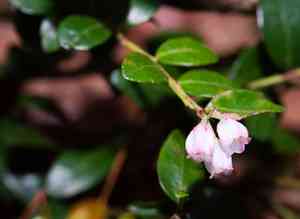
A key characteristic that distinguishes Box huckleberry is its visual charm. The plant showcases appealing, shiny leaves and small, bell-shaped blossoms that lend sophistication to any garden. Throughout the year, its color subtly shifts, providing a dynamic element to your landscape.
Adaptability
Another distinct benefit of Box huckleberry is its capacity to adjust to various soil types and conditions. Whether your soil is sandy, loamy, or even slightly acidic, Box huckleberry can flourish, making it a versatile option for diverse environments. This adaptability also extends to its resilience against pests and diseases, ensuring your garden stays healthy and vibrant.
Environmental Benefits of Box huckleberry
Erosion Control
The robust root system of Box huckleberry makes it an excellent choice for preventing soil erosion. Its roots help to stabilize the earth, reducing the likelihood of landslides and soil degradation. This is particularly advantageous for areas prone to heavy rainfall or steep terrains.
Habitat for Wildlife
Box huckleberry not only benefits humans but also supports local wildlife. Its dense foliage and fruit provide shelter and sustenance for various bird species, small mammals, and beneficial insects. This can lead to a more balanced and thriving ecosystem in your garden or landscape.
Maintenance and Care Tips for Box huckleberry
Low-Maintenance Requirements
One of the standout advantages of Box huckleberry is its low-maintenance nature. Once established, the plant requires minimal attention, making it ideal for busy gardeners or those new to gardening. Regular watering during dry periods and occasional trimming to maintain its form are typically all that's needed.
Pests and Disease Resistance
Another benefit of Box huckleberry is its resistance to common pests and diseases. Unlike many other plants that require regular treatments and monitoring, Box huckleberry remains relatively pest-free, allowing you to enjoy its beauty without the hassle of constant upkeep.
Landscaping Ideas with Box huckleberry
Garden Borders and Edging
Thanks to its compact growth habit and attractive foliage, Box huckleberry is perfect for creating garden borders and edging. Using Box huckleberry as a natural boundary can define different sections of your garden, adding structure and elegance.
Ground Cover
Box huckleberry also makes an excellent ground cover option. Its low-growing nature and dense foliage help to suppress weeds and retain soil moisture. Planting Box huckleberry in larger patches can create a lush, green carpet that requires little upkeep.
Propagation and Planting Techniques for Box huckleberry
Propagating Box huckleberry from Cuttings
Propagating Box huckleberry is relatively straightforward. One of the most effective methods is through cuttings. Simply take healthy cuttings from the parent plant, dip them in rooting hormone, and plant them in well-draining soil. With proper care, these cuttings will develop into strong, healthy plants.
Optimal Planting Time
The best time to plant Box huckleberry is during the early spring or fall when temperatures are moderate. This gives the plant ample time to establish its root system before the extreme temperatures of summer or winter set in.



