How to Propagate Florida hammock milkpea?
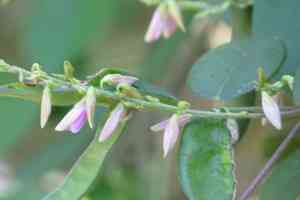
Florida hammock milkpea flourishes in adequately draining substrates and dappled light. For successful propagation, select robust stem sections, making sure each possesses a node. Insert these cuttings into damp, sterilized growing medium, preserving moisture by enclosing them with a transparent cover. Irrigate the cuttings sparingly, preventing excessive saturation. Observe the root development, which typically occurs within several weeks. Relocate the nascent plants once their root structures are firmly established.
What Is the Best Time To Propagate Florida Hammock Milkpea?
Propagation Type
Cutting
Propagation Season
Spring,Summer
What Tools Are Used in Florida Hammock Milkpea Propagation?
Sharp Pruning Shears
Pruning shears are vital for obtaining healthy cuttings from florida hammock milkpea. A clean, precise cut encourages better rooting and lowers disease risk. High-quality, sharp blades minimize tissue damage, ensuring maximum viability for cuttings.
Rooting Hormone
Rooting hormones, available as powder, gel, or liquid, promote quicker and more dependable root growth for florida hammock milkpea. They contain growth regulators that stimulate root cell development, significantly boosting propagation success rates.
Propagation Trays with Humidity Domes
These trays and domes create a controlled environment with ideal humidity and temperature, crucial for florida hammock milkpea's root development. Domes help retain moisture, preventing cuttings from drying out and increasing overall rooting success.
Sterile Growing Medium
Using a sterile, well-draining growing medium, such as a peat moss and perlite blend, is essential for florida hammock milkpea. It reduces fungal infection risk and provides ample aeration, ensuring cuttings have proper conditions for root development.
Spray Bottle
A spray bottle is important for maintaining appropriate moisture levels in the propagation medium and around the cuttings. Regular misting ensures florida hammock milkpea doesn't dry out, providing a consistent environment conducive to root growth.
Heating Mat
A heating mat placed under the propagation tray helps maintain a stable, warm temperature, critical for florida hammock milkpea's root development. Consistent warmth accelerates the rooting process, especially beneficial during cooler months or climates.
Labels and Waterproof Pen
Labels and a waterproof pen are crucial for tracking florida hammock milkpea cuttings, particularly when managing multiple propagations simultaneously. Clear labeling prevents mix-ups and ensures proper care throughout the propagation period.
How to Propagate Florida Hammock Milkpea?
Propagation Type
Moderately Difficult
How to Care for Your Newly Propagated Florida Hammock Milkpea?
How to Care for Your Newly Propagated Florida Hammock Milkpea?
Once the cutting has successfully rooted and been transplanted, ensure it receives sufficient water, especially during dry periods. Florida hammock milkpea prefers well-drained soil and partial to full sunlight. Regularly check for any signs of pests or disease. Prune as needed to maintain shape and encourage bushier growth. Mulching around the base can help retain moisture and control weeds.
Common Mistakes to Avoid When Propagating Florida Hammock Milkpea
Overwatering
Excessive watering can lead to root rot and other fungal issues, as florida hammock milkpea thrives in well-drained soil.
Using Poor Quality Soil
Employing heavy or clay-rich soil can hinder root development and water drainage, which are vital for florida hammock milkpea's growth.
Incorrect Sowing Depth
Planting seeds too deep can prevent germination, while shallow sowing exposes them to predators and harsh environmental conditions.
Inadequate Light
Providing insufficient light can result in weak and elongated seedlings, impacting florida hammock milkpea's overall vigor.
Neglecting Temperature Requirements
Ignoring optimal temperature conditions can slow down germination and growth, putting florida hammock milkpea at risk of stunted development or failure to thrive.
Tips For Propagating Florida Hammock Milkpea
Optimal Watering
Water sparingly, ensuring the soil remains moist but not waterlogged. Use well-draining soil to prevent root rot.
High-Quality Soil
Utilize a light, sandy, or loamy soil mix that provides good aeration and drainage, encouraging robust root development.
Correct Sowing Depth
Sow seeds at the recommended depth, typically around 1/4 inch, to ensure successful germination and protect seeds from environmental stress.
Adequate Light
Ensure florida hammock milkpea receives ample sunlight, ideally full sun, to promote healthy photosynthesis and growth.
Temperature Management
Maintain a warm environment suitable for florida hammock milkpea, usually around 70-85°F (21-29°C), to support optimal germination and growth.



