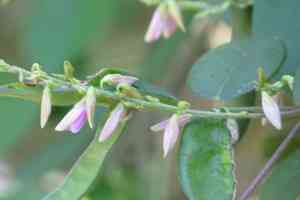
Florida hammock milkpea (Galactia striata)
Also known as: Striped Milkpea, Purple Milkpea
The Florida hammock milkpea, a vine native to Florida, thrives in coastal thickets and hammocks. Its charming mauve or pink and white blossoms lure a variety of butterflies, such as the Cassius Blue, Long-tailed Skipper, Zestos Skipper, and Zarucco Duskywing.
In This Article
Attributes of Florida hammock milkpea
Lifespan
Perennial
Plant Type
Vine, Herb
Plant Height
1 to 2 meters
Spread
N/A (as a vine, it spreads more horizontally)
Leaf Color
Green
Flower Size
0.5 to 1.5 centimeters
Flower Color
Purple or Pink
Images of Florida hammock milkpea
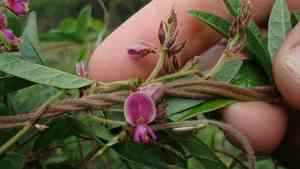
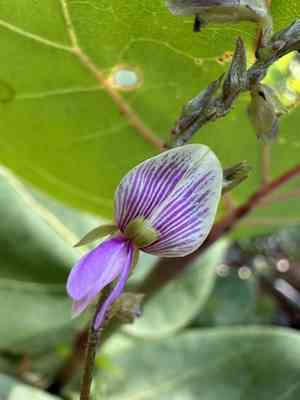
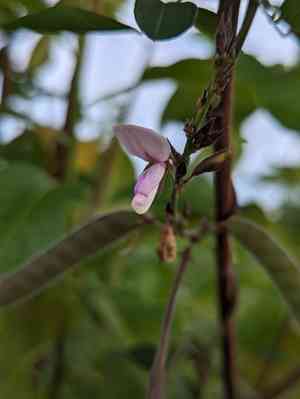
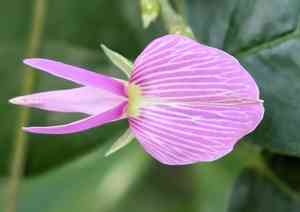
Quickly Identify Florida hammock milkpea
1
Look for a climbing vine with trifoliate leaves. The leaves are typically oblong and smooth. The flowers are purple or pink and form in clusters. The seed pods are notable for their conspicuous stripes.
Scientific Classification of Florida hammock milkpea
Phylum
Vascular plants
Class
Dicotyledons
Order
Fabales
Family
Legume
Genus
Milk pea
Species
Florida hammock milkpea
Planting and Growing of Florida hammock milkpea
Care Difficulty
Moderate
Watering Schedule
Every 2 days
Sunlight Requirements
Full sun
Sunshine Duration
4-8 hours
Ideal Temperature
65-75℉
Soil Type
Potting Mix, Peat Mix
Soil pH
6.5-7.5
Fertilizer Type
Balanced
Pruning Season
Spring, Summer
Pruning Area
Branches, Leaves
Pruning Frequency
2 times a year
Repotting Season
Spring
Pot Type
Plastic, Ceramic
 How to Water Florida hammock milkpea?
Galactia striata prefers a moderate watering approach, where the soil is allowed to dry partially between waterings. This plant should be watered until the excess starts to drain from the pot's bottom, ensuring even saturation without leaving the roots submerged in sitting water.
What are the symptoms of an underwatered Florida hammock milkpea?
›
What should I do if my Florida hammock milkpea is not getting enough water?
›
What are the symptoms of an overwatered Florida hammock milkpea?
›
How to save an overwatered Florida hammock milkpea?
›
 What Are the Sunlight Requirements for Florida hammock milkpea?
Ideal light for Galactia striata involves full sun to partial sun exposure. This range allows the plant to maintain vigorous growth, support robust leaf development, and enhance its aesthetic appeal.
What is the best lighting condition for Galactia striata?
›
How to achieve ideal lighting for this plant?
›
What benefits does ideal lighting provide?
›
 What Is the Ideal Temperature Range for Florida hammock milkpea?
The ideal temperature range for Galactia striata typically falls between 65°F and 75°F. This range supports optimal growth by providing an environment where metabolic and physiological processes occur efficiently, leading to healthy foliage and vigorous blooms.
 What Soil is Best for Florida hammock milkpea?
Galactia striata thrives best in well-draining soils. The ability of the soil to drain effectively prevents waterlogging and root rot, ensuring the plant absorbs nutrients optimally. The plant favors soils rich in organic matter, which supply it with essential nutrients for robust growth. Regularly incorporating compost into the soil can help maintain nutrient levels. While Galactia striata is drought-tolerant, a soil that maintains moderate moisture helps promote steady growth. Overly dry conditions can impede nutrient uptake, affecting plant health.
 How to Fertilize Florida hammock milkpea?
For Galactia striata, the recommended fertilizer amount depends on the type of fertilizer used. For liquid fertilizers, use a solution diluted to half the strength recommended by the manufacturer. Apply roughly 100-150 ml per application to avoid overfeeding. Solid fertilizers like granules should be lightly sprinkled around the base of the plant, approximately 20-30 grams per application, ensuring it does not touch the stem directly.
 How to Prune Florida hammock milkpea?
Galactia striata typically has a sprawling growth pattern. Focus on pruning to control its shape and encourage bushier growth. Trim back long sprawling stems by cutting above a leaf node to promote a fuller appearance. Regularly inspect the plant and remove any dead, damaged, or diseased stems. Make cuts just above a healthy node. This not only maintains the plant’s health but also directs its energy towards new growth.
More About Pruning Techniques→
 How to Propagate Florida hammock milkpea plant?
1
Collect seeds from mature Galactia striata pods. Ensure they are thoroughly dried to improve germination rates. Scarifying the seeds by lightly sanding or soaking them in water overnight can break dormancy and encourage quicker sprouting.
2
Sow the prepared seeds in seed trays filled with a seed-starting mix. Cover them with a thin layer of soil, lightly water, and place them in a warm location with indirect sunlight. Maintain soil moisture without overwatering to aid germination.
3
Select healthy semi-hardwood stems for cuttings. Each cutting should be 3-5 inches long, with the lower leaves removed. Dip the cut end in rooting hormone to accelerate root growth before planting it in a moist rooting medium.
 How to Repot Florida hammock milkpea plant?
1
Galactia striata needs repotting when roots begin to outgrow their container, often poking through drainage holes. It's best to repot during early spring or autumn when the plant is at its least vulnerable stage.
2
Select a pot slightly larger than the current one with adequate drainage holes. A breathable material like terracotta is ideal as it allows excess moisture to evaporate, preventing root rot issues while promoting healthy root development.
3
Opt for well-draining soil, preferably with a combination of loam and perlite or sand, to prevent waterlogging. This mix provides the perfect balance of aeration and nutrient retention, supporting robust growth.
Learn More About Florida hammock milkpea Diseases
Anthracnose
Bacterial Leaf Spot
Bacterial Wilt
Crown Gall
Cyst Nematode
Damping-off
Downy Mildew
Drought Stress
Fusarium Wilt
Gray Mold
Leaf Curl
Leaf Spot
Mosaic
Nutrient Deficiency
Nutrient Toxicity
Powdery Mildew
Root Rot
Root-knot Nematode
Rusts
Sooty Mold
Spider Mites
Temperature Stress
Thrips Damage
White Mold



