How to Propagate Bristlecup sandmat?
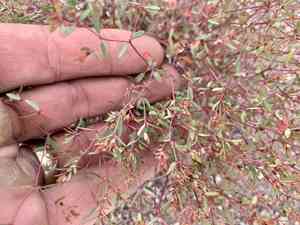
Bristlecup sandmat, a perennial species within the Euphorbia genus, is valued for its distinctive and ornamental leaves. For propagation, gather cuttings while wearing gloves and exercising care, as its milky latex can cause irritation. Confirm that the cuttings originate from robust stems, and permit them to air-dry briefly prior to embedding them in a substrate that drains effectively. Sufficient illumination and moisture levels will aid in successful root development.
Optimal Propagation Period for Bristlecup Sandmat
Propagation Type
Cutting
Propagation Season
Spring,Summer
Tools for Bristlecup Sandmat Propagation
Pruning Shears
Utilized for taking cuttings from bristlecup sandmat, ensuring clean, precise cuts on stems. Minimizes damage and promotes healthy cuttings.
Razor Blade or Scalpel
Necessary for making fine cuts when pruning shears lack the required precision. Reduces fungal infection risk by creating smooth cuts on bristlecup sandmat.
Rooting Hormone
Encourages quicker root formation and boosts the success rate of bristlecup sandmat cuttings. Available as powder or gel, applied to cut ends before planting.
Plant Labels
Helps track cuttings, especially when propagating multiple plants. Prevents confusion and ensures accurate records for bristlecup sandmat growth and health monitoring.
Propagation Trays
Offers a controlled environment for cuttings. Facilitates good air circulation and proper drainage, crucial for bristlecup sandmat cutting establishment.
Humidity Dome
Maintains high humidity levels, vital for the initial stages of bristlecup sandmat cutting propagation. Prevents cuttings from drying out while roots develop.
Sterilizing Solution
Used to sanitize tools and containers to prevent disease or fungal issues. Ensures bristlecup sandmat cuttings are planted in a clean environment, reducing infection risk.
Perlite or Sand
Used as a component in the planting medium to ensure proper drainage and aeration, creating an ideal root environment for bristlecup sandmat.
Mist Sprayer
Helps maintain high humidity and provides moisture to cuttings without over-watering. Essential for misting bristlecup sandmat cuttings to keep them hydrated.
Heating Mat with Thermostat
Placed beneath the propagation tray to provide consistent bottom heat, encouraging root growth. Maintains optimal soil temperatures for bristlecup sandmat cuttings.
How to Propagate Bristlecup Sandmat?
Propagation Type
Moderately Difficult
Caring for Your Newly Propagated Bristlecup Sandmat
Caring for Your Newly Propagated Bristlecup Sandmat
Once the cutting has rooted and begun to grow, gradually expose it to more direct sunlight. Ensure the soil remains well-drained, and water sparingly to mimic its natural arid habitat. Fertilize with a balanced, diluted cactus fertilizer during the growing season to encourage robust growth. Regularly inspect for pests and diseases, and trim any dead or damaged stems to maintain the plant's health and appearance.
Common Mistakes to Avoid When Propagating Bristlecup Sandmat
Overwatering
Excessive moisture can lead to root rot, which is detrimental to bristlecup sandmat's health and hinders successful propagation.
Using Heavy Soil
Dense, compact soils can suffocate roots and impede growth. Proper aeration is crucial for bristlecup sandmat's root development.
Insufficient Light
Bristlecup sandmat requires adequate light for photosynthesis. Insufficient light will result in weak, elongated growth and poor propagation success.
Ignoring Pests
Failing to monitor for pests like aphids and mealybugs can result in plant damage, compromising its health and propagative potential.
Incorrect Cutting Method
Improperly taking cuttings can harm the parent plant and decrease the likelihood of successful rooting.
Tips For Propagating Bristlecup Sandmat
Use Well-Draining Soil
Ensure the propagation medium drains effectively to prevent root rot. A mix of cactus soil and perlite is ideal.
Moderate Watering
Water sparingly, only when the soil feels dry to the touch. This prevents overwatering and root diseases.
Provide Adequate Light
Place bristlecup sandmat in a bright, indirect light location to promote healthy growth and successful propagation.
Regular Pest Checks
Frequently inspect bristlecup sandmat for common pests and treat promptly to maintain plant health.
Correct Cutting Techniques
Use a clean, sharp knife to take cuttings from healthy, non-flowering growth. Allow cuttings to callous over before planting.



