How to Propagate Tufted fleabane?
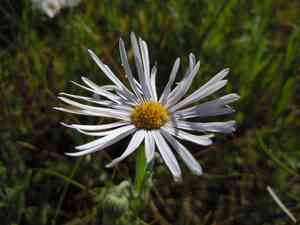
Erigeron caespitosus flourishes in porous ground, frequently encountered in stony or sandy environments. For propagation, scatter seeds directly onto the soil's top layer, making sure they are exposed to light for best sprouting. Although Erigeron caespitosus is robust and tolerant of dry conditions, steady dampness during germination assists development. Ensuring ample air movement assists in averting ailments. Propagation yields the best results with newly harvested seeds; aged seeds might display diminished vitality.
Optimal Time for Tufted Fleabane Propagation
Propagation Method
Seeding
Propagation Period
Spring
Tools for Tufted Fleabane Propagation
Seed Trays
Seed trays offer a regulated setting for planting tufted fleabane seeds. They aid in organizing the planting process and ensure seeds have ample room to sprout without competition.
Seed Starting Mix
A premium seed starting mix is crucial for tufted fleabane. It provides the correct balance of nutrients, drainage, and aeration required for delicate seedlings to flourish.
Humidity Dome
Humidity domes maintain the necessary moisture levels for successful germination of tufted fleabane. They prevent seeds and young seedlings from drying out rapidly.
Spray Bottle
A spray bottle is perfect for gently misting the soil in seed trays without dislodging seeds or seedlings. It ensures tufted fleabane remain damp until they establish roots.
Grow Lights
Grow lights supply the essential light spectrum for the germination and initial growth phases of tufted fleabane, especially if natural light is insufficient.
Seed Label Markers
Label markers help track tufted fleabane and other plants being propagated, preventing confusion and ensuring proper care and monitoring.
Heating Mat
A heating mat can be beneficial for tufted fleabane by providing consistent bottom warmth, which encourages quicker and more uniform germination.
Sharp Scissors or Pruners
Sharp scissors or pruners are useful for trimming seedlings when thinning or for transplanting, ensuring clean cuts that reduce the risk of disease.
How to Propagate Tufted Fleabane?
Propagation Type
Simple
Caring for Your Newly Propagated Tufted Fleabane
Caring for Your Newly Propagated Tufted Fleabane
Post-transplantation, ensure tufted fleabane receive abundant sunlight and water them regularly, allowing the soil to dry slightly between waterings. Apply a balanced, all-purpose fertilizer monthly during the growing season to promote vigorous growth. Watch for pests and diseases, and promptly remove any affected foliage. Mulching around the plant's base can help retain moisture and suppress weeds. Prune spent flowers to encourage continuous blooming and maintain a neat appearance.
Common Errors to Avoid When Propagating Tufted Fleabane
Overwatering
Excessive watering can lead to root rot and fungal problems, compromising plant health and hindering successful propagation.
Using Poor Soil
Employing soil that lacks proper drainage or is nutritionally deficient can impede growth and reduce the likelihood of successful propagation.
Improper Light Conditions
Providing too much or too little light can stress tufted fleabane and jeopardize its propagation. Optimal light is crucial for healthy growth.
Crowding Seedlings
Planting seedlings too close together can result in competition for resources like light, water, and nutrients, hindering healthy development.
Neglecting Pests and Diseases
Ignoring pest infestations or disease outbreaks can cause significant damage to seedlings and reduce propagation success.
Tips For Propagating Tufted Fleabane
Adequate Drainage
Ensure the soil or growing medium has excellent drainage to prevent waterlogging and root rot.
Moderate Watering
Water the plant carefully, keeping the soil moist but not saturated. Allow the top layer of soil to dry out between waterings.
Proper Light Exposure
Provide bright, indirect sunlight to support healthy growth. Avoid placing seedlings in direct, intense sunlight.
Space Seedlings Appropriately
Maintain sufficient space between seedlings to reduce competition and promote robust growth.
Monitor for Pests and Diseases
Regularly inspect plants for signs of pests or diseases, and take prompt action to mitigate any issues, ensuring healthier propagation outcomes.



