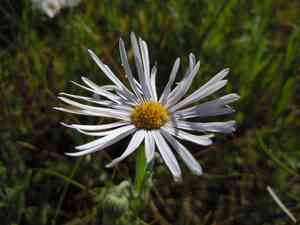
Tufted fleabane (Erigeron caespitosus)
Also known as: Fleabane, Cushion Fleabane
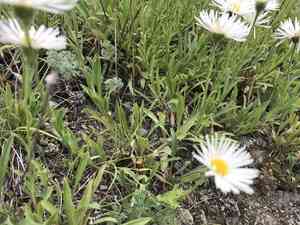
Tufted fleabane (Erigeron caespitosus) is a perennial plant well-suited to mountainous environments. It features dense clusters of hairy leaves and numerous small, daisy-like flowers ranging in color from lavender to white. These flowers emerge from a low-lying cushion of foliage, which is ideal for thriving in rocky, well-drained soils. The plant's mat-forming growth helps retain moisture and prevent soil erosion, enabling it to endure the challenging conditions of its native habitats.
In This Article
Attributes of Tufted fleabane
Lifespan
Perennial
Plant Type
Herb
Plant Height
8-20 cm (3-8 inches)
Spread
15-30 cm (6-12 inches)
Leaf Color
Green
Flower Size
1-2 cm (0.4-0.8 inches)
Flower Color
White to purplish petals with a yellow center
Images of Tufted fleabane
Quickly Identify Tufted fleabane
1
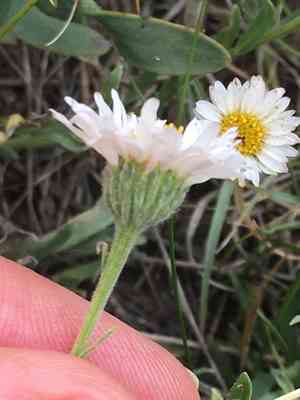
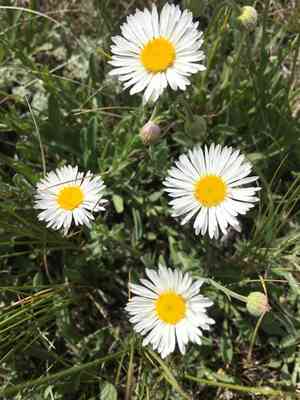
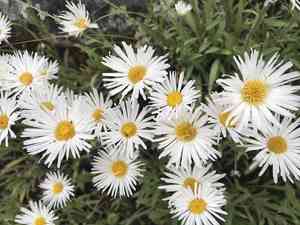
Erigeron caespitosus can be identified by its dense, cushion-like growth habit, narrow, lance-shaped leaves, and small, daisy-like white to purplish flowers with a central yellow disc.
Scientific Classification of Tufted fleabane
Phylum
Vascular plants
Class
Dicotyledons
Order
Asterales
Family
Daisy
Genus
Fleabanes
Species
Tufted fleabane
Planting and Growing of Tufted fleabane
Care Difficulty
Easy
Watering Schedule
Every 2 days
Sunlight Requirements
Full sun
Sunshine Duration
4-6 hours
Ideal Temperature
60-70℉
Soil Type
Potting Mix, Peat Mix
Soil pH
6.5-7.5
Fertilizer Type
Balanced
Pruning Season
Spring, Summer
Pruning Area
Branches, Leaves
Pruning Frequency
2 times a year
Repotting Season
Spring
Pot Type
Terracotta, Plastic
 How to Water Tufted fleabane?
Erigeron caespitosus prefers to be watered moderately, with around 240 ml per session. The soil should be moistened thoroughly but allowed to dry out between waterings to mimic its natural habitat conditions.
What are the symptoms of an underwatered Tufted fleabane?
›
What should I do if my Tufted fleabane is not getting enough water?
›
What are the symptoms of an overwatered Tufted fleabane?
›
How to save an overwatered Tufted fleabane?
›
 What Are the Sunlight Requirements for Tufted fleabane?
Erigeron caespitosus thrives in full to partial sun environments, benefiting from approximately 4 to 8 hours of light. Adequate lighting fosters strong growth and abundant blooms.
What is the best type of sunlight for Erigeron caespitosus?
›
How to ensure Erigeron caespitosus receives adequate sunlight?
›
Why is ideal lighting important for Erigeron caespitosus?
›
 What Is the Ideal Temperature Range for Tufted fleabane?
The ideal temperature range for growing Erigeron caespitosus is between 60°F and 70°F. This range helps ensure optimal growth conditions, enabling the plant to photosynthesize efficiently without heat stress. Maintaining this temperature allows for vibrant foliage and healthy blooms.
 What Soil is Best for Tufted fleabane?
Erigeron caespitosus thrives in well-drained soils which prevent waterlogging and root rot. This requirement ensures the plant's roots have access to ample oxygen, promoting robust growth and vibrant blooms. The plant prefers soils with moderate fertility. Rich in natural nutrients, this allows Erigeron caespitosus to grow with a strong structure and ample flowering, without excessive foliage that richer soils might encourage. A slight preference for mildly alkaline soils enables this plant to access essential nutrients more efficiently. This pH balance supports optimal physiological functions, ensuring lush and hardy development.
 How to Fertilize Tufted fleabane?
For Erigeron caespitosus, it's crucial to use fertilizer sparingly. A balanced 10-10-10 liquid fertilizer diluted to half strength is ideal. Use approximately 1 tablespoon per gallon of water for optimum growth.
 How to Prune Tufted fleabane?
Erigeron caespitosus tends to spread and can become leggy if left unchecked. Pay close attention to its growth patterns and prune accordingly to maintain a neat and compact shape. Trim sides evenly to prevent imbalance. While maintaining a tidy form is crucial, avoid excessive pruning which could stress the plant. Leave enough foliage to ensure photosynthesis is not overly hindered. Strike a balance between shape control and plant health.
More About Pruning Techniques→
 How to Propagate Tufted fleabane plant?
1
Begin by planting seeds in a well-drained, sandy soil mix. Ensure seeds are lightly covered with soil and maintain consistent moisture until germination, which typically takes two to three weeks. Transplant seedlings into the garden once they are large enough to handle.
2
Choose a mature plant and gently dig it out, making sure to preserve the root system. Divide the plant into sections using a sharp tool, ensuring each division has enough roots and foliage. Replant the divisions promptly in a suitable location.
3
After planting, water the divisions well to settle the soil and eliminate air pockets. Apply a light mulch around the base to retain moisture and regulate soil temperature. Monitor the plants regularly for signs of stress or disease.
 How to Repot Tufted fleabane plant?
1
Look for signs such as roots emerging from the pot's drainage holes, a stunted growth pattern, or the soil drying out too quickly. These indicate that the plant has outgrown its current pot and needs more space to continue thriving.
2
Select a pot that is one size larger than the current one. Ensure it has good drainage holes to prevent water logging. A correct pot size provides freedom for root growth and helps the plant maintain water and nutrient absorption efficiently.
3
Opt for a well-draining, sandy mix. This type of soil provides excellent drainage and prevents root rot, ensuring that Erigeron caespitosus remains healthy and can access nutrients effectively without standing in water.



