How to Propagate Compact prairie clover?
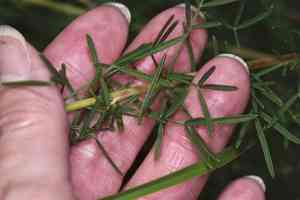
Dwarf prairie clover flourishes when reproduced via cuttings, a technique ideal for maintaining the genetic integrity of the variety. Cultivators ought to choose robust, non-blooming stalks for this endeavor. Employing a rooting stimulant is essential, and ensuring the cuttings are situated in a porous, aseptic substrate is vital to avert ailments and encourage quicker root development. Sustaining a humid atmosphere and consistently damp, yet not saturated, soil will foster peak rooting achievement.
What Is the Best Time To Propagate Compact Prairie Clover?
Propagation Type
Cutting
Propagation Season
Spring,Summer
What Tools Are Used in Compact Prairie Clover Propagation?
Sharp Pruning Shears
Crucial for taking cuttings, sharp pruning shears guarantee a clean cut, minimizing harm to compact prairie clover's stems. Clean cuts are vital for preventing disease and boosting rooting success. Choose stainless steel blades for durability and easy sterilization.
Rooting Hormone Powder
Encourages quicker root growth from compact prairie clover cuttings. Apply this hormone to the freshly cut stem base to increase the likelihood of successful root formation and improve the overall health and vigor of new plants.
Sterile Potting Mix
Utilizing a sterile potting mix prevents the introduction of pathogens that could harm cuttings before they can root. For compact prairie clover, select a well-draining mix, such as a blend of peat, perlite, and vermiculite, which offers an ideal balance of moisture retention and aeration.
Humidity Dome
Maintains a high-humidity environment around compact prairie clover's cuttings, essential for preventing excessive moisture loss until the cuttings can establish their own roots. This tool is especially beneficial for ensuring delicate cuttings do not dry out during critical early development stages.
Heat Mat
Aids in the root development of compact prairie clover cuttings by providing consistent bottom heat. This is particularly advantageous during cooler months, ensuring the root zone remains at an optimal temperature to encourage growth.
How to Propagate Compact Prairie Clover?
Propagation Type
Easy
How to Care for Your Newly Propagated Compact Prairie Clover?
How to Care for Your Newly Propagated Compact Prairie Clover?
Once roots have formed and new growth appears, gradually acclimate compact prairie clover to less humid conditions by removing any plastic covering. Continue to provide indirect sunlight and water regularly, allowing the topsoil to dry slightly between waterings. Maintain a feeding schedule with a balanced, slow-release fertilizer every few months to promote healthy growth and flowering.
Common Mistakes to Avoid When Propagating Compact Prairie Clover
Overwatering
Excessive watering of compact prairie clover can lead to root rot or fungal infections due to the plant's preference for well-drained soil. Waterlogged conditions hinder proper root development and reduce the chances of successful propagation.
Deep planting
Planting compact prairie clover seeds or cuttings too deeply can impede germination or root emergence. This species requires shallow planting to ensure adequate light exposure and air circulation around the propagating material.
Excessive fertilization
Applying too much fertilizer can harm compact prairie clover by causing nutrient burn or imbalanced growth. Especially during the early stages of propagation, excessive nutrients can hinder rather than enhance development.
Tips For Propagating Compact Prairie Clover
Soil preparation
Ensuring the soil is well-drained and loamy is vital for the successful propagation of compact prairie clover. The soil should allow for adequate drainage while retaining enough moisture to support growth without becoming waterlogged.
Use of rooting hormone
Applying a rooting hormone to compact prairie clover cuttings can significantly boost root development. This promotes healthier and more robust root systems, improving the overall success rate of propagation.
Controlled environment
Starting the propagation process of compact prairie clover indoors or under controlled conditions can protect young plants from extreme temperatures and pests. This also allows for closer monitoring and adjustment of moisture levels and light exposure.



