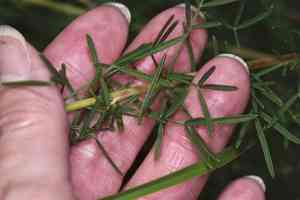
Compact prairie clover (Dalea compacta)
Also known as: Compact Prairie Clover
The Compact Prairie Clover (Dalea compacta) is well-known for attracting native bees and butterflies, and its seeds serve as a food source for some bird species. Its purple-pink flowers, which bear a resemblance to those of the clover family, give the plant its name.
In This Article
Attributes of Compact prairie clover
Lifespan
Perennial
Plant Type
Herb
Plant Height
91 cm
Spread
20-40 cm
Leaf Color
Green
Flower Size
1-2 cm
Flower Color
White Purple
Images of Compact prairie clover
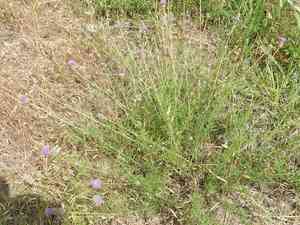
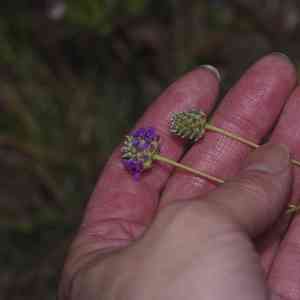
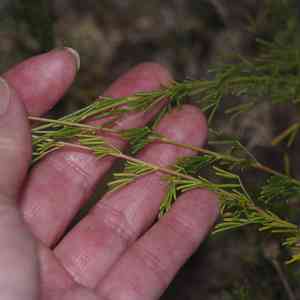
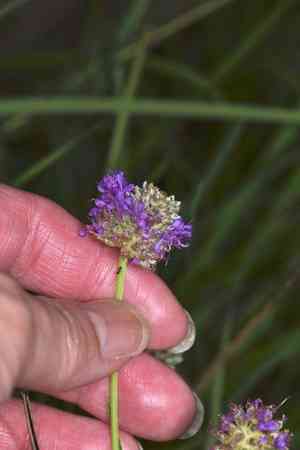
Quickly Identify Compact prairie clover
1
To identify Dalea compacta, look for its dense, rounded clusters of purple to violet flowers. The plant usually has pinnate leaves with small leaflets and can grow up to knee-high. The stems are often woody at the base.
Scientific Classification of Compact prairie clover
Phylum
Vascular plants
Class
Dicotyledons
Order
Fabales
Family
Legume
Genus
Prairie clover
Species
Compact prairie clover
Planting and Growing of Compact prairie clover
Care Difficulty
Easy
Watering Schedule
Every 2 days
Sunlight Requirements
Full sun
Sunshine Duration
4-6 hours
Ideal Temperature
65-80℉
Soil Type
Potting Mix, Peat Mix
Soil pH
6.5-7.5
Fertilizer Type
Balanced
Pruning Season
Spring, Summer
Pruning Area
Branches, Leaves
Pruning Frequency
2 times a year
Repotting Season
Spring
Pot Type
Plastic, Ceramic
 How to Water Compact prairie clover?
For Dalea compacta, it is important to water deeply but sparsely. Ensure the soil is thoroughly moist each time, but allow it to dry out completely between sessions. A typical watering amount would be around 250ml, ensuring the water reaches the root depth.
What are the symptoms of an underwatered Compact prairie clover?
›
What should I do if my Compact prairie clover is not getting enough water?
›
What are the symptoms of an overwatered Compact prairie clover?
›
How to save an overwatered Compact prairie clover?
›
 What Are the Sunlight Requirements for Compact prairie clover?
Full sun is the ideal light range for Dalea compacta. Adequate sunlight encourages blooming, enhances vibrant foliage, and promotes healthy growth, ensuring the plant thrives in its natural environment by maximizing photosynthetic efficiency.
How much sun does Dalea compacta require?
›
What are the solutions to provide ideal sunlight conditions?
›
What benefits does the plant gain from ideal sunlight exposure?
›
 What Is the Ideal Temperature Range for Compact prairie clover?
The ideal temperature range for Dalea compacta is between 65°F and 80°F. This range supports optimal growth and health for the plant, providing sufficient warmth while avoiding excessively high temperatures that could stress the plant.
 What Soil is Best for Compact prairie clover?
Dalea compacta thrives best in well-drained soil, which prevents water from accumulating around the roots. This feature helps the plant avoid root rot and ensures that the roots receive adequate oxygen, promoting healthy plant growth. Providing a nutrient-rich substrate ensures that Dalea compacta gets the necessary nutrients for its vibrant blooms and lush growth. Soils enriched with organic matter supply essential nutrients and support robust plant development. A soil pH ranging from neutral to slightly alkaline is ideal for this plant, enabling optimal nutrient uptake and preventing potential nutrient deficiencies. This pH range supports overall plant health and resilience.
 How to Fertilize Compact prairie clover?
For Dalea compacta, a modest amount of fertilizer is recommended. Use a balanced liquid fertilizer diluted to half strength, applying approximately 2 teaspoons mixed into a gallon of water. This ensures that the plant receives nourishment without the risk of burning the roots.
 How to Prune Compact prairie clover?
Start by sterilizing your pruning shears to prevent any disease transmission. Focus on snipping off any dead or unproductive branches at the base. Trim back any excessively long stems to shape the plant into its naturally rounded form. Ensure to make clean cuts just above leaf nodes to encourage healthy regrowth. To promote a floriferous display, deadhead spent flowers during the growing season. This will channel the plant’s energy into producing new blooms rather than seed development. Snip just below the flower head, avoiding any damage to nearby buds which can lead to better flowering later on.
More About Pruning Techniques→
 How to Propagate Compact prairie clover plant?
1
Begin by selecting healthy seeds. Soak them in warm water for 24 hours to soften the seed coat, which aids in faster germination. Ensure seeds are from a reliable source to increase propagation success rates.
2
Prepare a well-draining soil mix by combining equal parts of peat, perlite, and vermiculite. Fill seedling trays with this mix, sow the seeds lightly, and cover them with a thin layer of soil. Water the soil gently to keep it moist but not soggy.
3
For cuttings, choose healthy, non-flowering stems and cut a segment approximately 4-6 inches long. Dip the cut end in rooting hormone powder to enhance root development. Plant the cutting in a mixture of perlite and peat, ensuring proper drainage.
 How to Repot Compact prairie clover plant?
1
Dalea compacta shows signs of needing repotting when roots start peeking out of the drainage holes. This usually happens every couple of years. Another indication is if you notice the soil retaining too much moisture or the plant is looking stressed despite adequate care.
2
Choose a pot that is one size larger than the current one, featuring excellent drainage capabilities. A terracotta pot is ideal as it breathes well and helps prevent overwatering. Providing such a pot encourages healthy root growth and reduces the risk of root rot.
3
Opt for well-draining sandy soil that mimics Dalea compacta's natural habitat. This type of soil prevents waterlogging and ensures adequate aeration, which are crucial for the plant's root health and overall vitality, especially after repotting.
Learn More About Compact prairie clover Diseases
Anthracnose
Bacterial Leaf Spot
Bacterial Wilt
Crown Gall
Cyst Nematode
Damping-off
Downy Mildew
Drought Stress
Fusarium Wilt
Gray Mold
Leaf Curl
Leaf Spot
Mosaic
Nutrient Deficiency
Nutrient Toxicity
Powdery Mildew
Root Rot
Root-knot Nematode
Rusts
Sooty Mold
Spider Mites
Temperature Stress
Thrips Damage
White Mold
Chemical Injury



