How to Propagate Tape-rtip flat sedge?
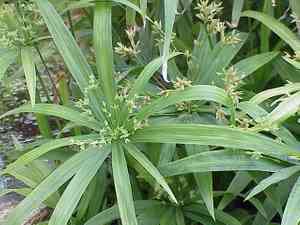
A proficient inhabitant of damp environments, tape-rtip flat sedge flourishes in humid settings, rendering it ideal for propagation via seeding. To achieve the best outcomes, confirm that the seeds are planted in a rich, adequately draining medium. Continuously damp earth is vital for facilitating the sprouting and development of tape-rtip flat sedge, which typically responds well to planting in surroundings that mimic its native marshland circumstances. Concentrate on preserving a consistent moisture level without excessive saturation, to encourage robust root and stem formation.
When Is the Optimal Time to Propagate Tape-rtip Flat Sedge?
Propagation Method
Seeding
Propagation Period
Spring
What Equipment Is Utilized in Tape-rtip Flat Sedge Propagation?
Seed Trays
Seed trays are vital for initiating tape-rtip flat sedge from seeds, offering a contained area to regulate environmental factors. These trays simplify managing seed spacing and depth, ensuring consistent growth conditions. Employing a shallow tray aids in monitoring moisture levels effectively, crucial for tape-rtip flat sedge's initial development phase.
Perlite or Vermiculite
Perlite or vermiculite improves soil aeration and drainage when blended with the primary potting mix in seed trays. This is essential for tape-rtip flat sedge as it favors well-drained conditions. The light nature of these materials makes the soil less dense, allowing tape-rtip flat sedge's delicate roots to expand more easily and access needed nutrients.
Misting Bottle
A misting bottle is employed to gently hydrate tape-rtip flat sedge seeds, ensuring the soil is damp but not waterlogged. Excessive moisture can lead to fungal diseases, which are harmful to seed germination and young plant health. A fine mist provides an ideal moisture level for tape-rtip flat sedge seeds without disturbing them.
Heat Mat
A heat mat encourages seed germination by maintaining a steady soil temperature, a key for successful germination in tape-rtip flat sedge. It promotes faster and more uniform germination across the seed trays, especially important in colder climates or during cooler times of the year.
Labeling Sticks and a Marker
Labeling sticks and a marker are used to identify tape-rtip flat sedge during its propagation stage, particularly when propagating multiple species simultaneously. Proper labeling ensures that specific care requirements unique to tape-rtip flat sedge, such as watering frequency and sunlight exposure, are met during critical early growth stages.
How to Propagate Tape-rtip Flat Sedge?
Propagation Difficulty
Simple
How to Nurture Your Newly Propagated Tape-rtip Flat Sedge?
How to Nurture Your Newly Propagated Tape-rtip Flat Sedge?
Post-germination, gradually introduce the young tape-rtip flat sedge to their permanent spot. Ensure the soil stays moist but drains well, and shield the plants from extreme temperatures. Tape-rtip flat sedge may benefit from a balanced, diluted liquid fertilizer during the growing season to support vigorous growth.
Common Errors to Avoid When Propagating Tape-rtip Flat Sedge
Overwatering
Excessive watering can cause root rot, diminishing the overall health and vitality of tape-rtip flat sedge. Consistently saturated soil deprives roots of essential oxygen, contributing to decay.
Poor soil selection
Using soil that drains inadequately or lacks organic matter can hinder tape-rtip flat sedge's root development, impacting its growth and ability to establish after propagation.
Deep planting
Planting tape-rtip flat sedge's rhizomes or seedlings too deeply can reduce successful sprouting and impair root formation. This error often leads to decreased survival rates during propagation.
Advice For Propagating Tape-rtip Flat Sedge
Correct soil mix
Utilize a well-draining soil mix enriched with organic material to maintain a balance of moisture and aeration, which supports healthy root growth.
Shallow planting
Plant tape-rtip flat sedge's rhizomes or seedlings just beneath the soil surface to ensure adequate light exposure and improve sprout success.
Regular, moderate watering
Water tape-rtip flat sedge regularly to keep the soil moist but not waterlogged, fostering an ideal environment for root establishment and growth.



