The Tape-rtip flat sedge Plant Advantage: Maximizing Home and Office Appeal and Wellness
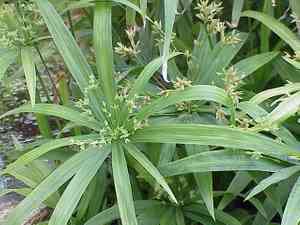
1
Tape-rtip flat sedge is known for its beneficial ability to prevent soil erosion.
2
This species flourishes in aquatic and land-based habitats alike.
3
It contributes significantly to the natural cleansing of water.
What are the Environmental Benefits of Tape-rtip flat sedge?
Soil Erosion Control
A primary advantage of Tape-rtip flat sedge is its capacity to prevent soil loss. The plant's strong root system effectively anchors soil, making it an excellent choice for combating soil degradation. By stabilizing the ground, Tape-rtip flat sedge stops the depletion of valuable topsoil during heavy rains and wind, which is vital for maintaining fertile land, especially in agricultural areas.
Water Purification
Beyond erosion prevention, Tape-rtip flat sedge plays a key role in water purification. Its presence in wetlands and riverbanks aids in filtering contaminants and sediments from water. Its roots absorb heavy metals and other pollutants, thereby enhancing water quality and fostering healthier aquatic environments. This natural filtering process is invaluable for sustaining clean and safe water sources.
How Does Tape-rtip flat sedge Enhance Biodiversity?
Habitat Creation
Tape-rtip flat sedge significantly boosts biodiversity by offering crucial habitats for various wildlife. Its dense growth provides refuge and breeding sites for numerous insects, birds, and small mammals. By nurturing these environments, Tape-rtip flat sedge supports the complex web of life and promotes ecological equilibrium.
Supporting Plant Communities
This plant frequently coexists with other indigenous species, strengthening plant community structures. Its presence can lead to the formation of more diverse plant groupings, which are essential for ecosystem resilience. By encouraging a mix of species, Tape-rtip flat sedge contributes to the overall health and productivity of natural landscapes.
Practical Uses of Tape-rtip flat sedge in Landscaping and Agriculture
Landscaping Solutions
In landscaping, Tape-rtip flat sedge is valued for its aesthetic and practical attributes. Its distinct texture and shape add visual appeal to garden designs, while its hardiness ensures it can thrive in diverse conditions. Landscapers utilize Tape-rtip flat sedge to create natural-looking water features, rain gardens, and erosion control installations, blending beauty with utility.
Agricultural Applications
Farmers and agriculturalists acknowledge the worth of Tape-rtip flat sedge for its contribution to sustainable farming methods. Its ability to improve soil structure and fertility is particularly advantageous for crop production. Additionally, Tape-rtip flat sedge can serve as a natural barrier to hinder the spread of invasive species, safeguarding valuable farmland and boosting crop yields.
Why is Tape-rtip flat sedge Essential for Wetland Conservation?
Preserves Wetland Ecosystems
Wetlands are vital ecosystems that offer numerous ecological services, and Tape-rtip flat sedge is a crucial element in their preservation. By stabilizing wetland soil and filtering water, Tape-rtip flat sedge helps maintain the delicate balance of these environments. Wetlands supported by Tape-rtip flat sedge are better equipped to endure environmental stresses, ensuring their long-term viability.
Promotes Native Species
Tape-rtip flat sedge often acts as a foundational species in wetland areas, supporting a broad array of native flora and fauna. Its presence encourages the growth of other native plants, which in turn supports diverse animal populations. The plant's role in fostering native biodiversity is critical for wetland health and resilience.



