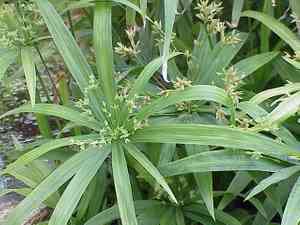
Tape-rtip flat sedge (Cyperus acuminatus)
Also known as: Short-pointed sedge
Cyperus acuminatus, also referred to as tapertip flatsedge and pale umbrella-sedge, is a widespread sedge species. It is native to North America, particularly prevalent in the Great Plains and western regions of the United States. Additionally, it can be found in some eastern U.S. areas and extends into parts of Canada (Saskatchewan) and Mexico (Tamaulipas and Coahuila).
In This Article
Attributes of Tape-rtip flat sedge
Lifespan
Annual, Perennial
Plant Type
Grass
Plant Height
5 cm to 36 cm
Spread
Not applicable
Leaf Color
Green
Flower Size
Not applicable
Flower Color
Greenish-brown
Images of Tape-rtip flat sedge
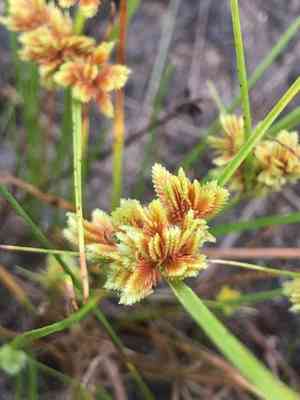
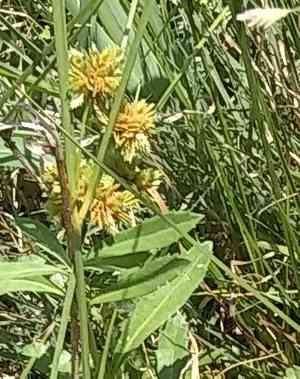
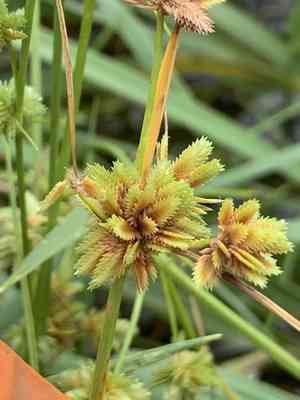
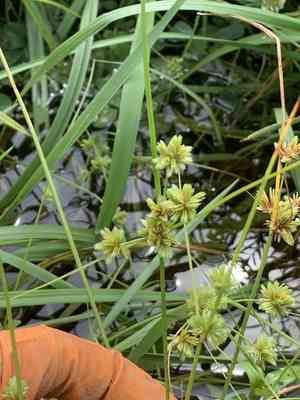
Quickly Identify Tape-rtip flat sedge
1
Identifiable by its triangular stems, long and narrow leaves, and distinct spikelets. The plant often forms dense clumps.
Scientific Classification of Tape-rtip flat sedge
Phylum
Vascular plants
Class
Monocotyledons
Order
Poales
Family
Sedge
Genus
Nutgrasses
Species
Tape-rtip flat sedge
Planting and Growing of Tape-rtip flat sedge
Care Difficulty
Easy
Watering Schedule
Every 4 days
Sunlight Requirements
Full sun
Sunshine Duration
6-10 hours
Ideal Temperature
68-77℉
Soil Type
Potting Mix, Peat Mix
Soil pH
6.5-7.5
Fertilizer Type
Balanced
Pruning Season
Spring, Summer
Pruning Area
Branches, Leaves
Pruning Frequency
2 times a year
Repotting Season
Spring
Pot Type
Plastic, Ceramic
 How to Water Tape-rtip flat sedge?
For Cyperus acuminatus, ensure the soil is consistently moist but not waterlogged. The watering amount should be around 250 ml, allowing the water to seep through the soil but not to the point of standing water.
What are the symptoms of an underwatered Tape-rtip flat sedge?
›
What should I do if my Tape-rtip flat sedge is not getting enough water?
›
What are the symptoms of an overwatered Tape-rtip flat sedge?
›
How to save an overwatered Tape-rtip flat sedge?
›
 What Are the Sunlight Requirements for Tape-rtip flat sedge?
Cyperus acuminatus prefers full sun to partial sun exposure. Ideal light facilitates strong growth, rich foliage coloration, and overall plant vitality, ensuring efficient energy capture and nutrient metabolism.
What is the best lighting condition for Cyperus acuminatus?
›
How to achieve ideal lighting for Cyperus acuminatus?
›
What are the benefits of ideal lighting for Cyperus acuminatus?
›
 What Is the Ideal Temperature Range for Tape-rtip flat sedge?
For Cyperus acuminatus, the ideal temperature range lies between 68°F and 77°F. This range provides the optimal environment for growth and development, as temperatures within this range help maintain the metabolic processes essential for the plant's health and vigor.
 What Soil is Best for Tape-rtip flat sedge?
Cyperus acuminatus thrives in soils with excellent drainage. This helps prevent root rot and ensures that the roots can access oxygen easily, promoting healthy plant growth. The plant prefers soils that are moderately rich in nutrients. A well-balanced nutrient profile supports vigorous growth and robust health. While drainage is crucial, Cyperus acuminatus also requires consistent moisture. Keeping the soil evenly moist, particularly during the growing season, ensures lush foliage and prevents drought stress.
 How to Fertilize Tape-rtip flat sedge?
For the successful growth of Cyperus acuminatus, a balanced fertilizer with an N-P-K ratio of 10-10-10 is recommended. Apply about 5-10 ml of liquid fertilizer per liter of water when using liquid formulations. For solid fertilizers, around 50 grams per square meter should suffice.
 How to Prune Tape-rtip flat sedge?
Start by inspecting the plant for any dead, brown, or damaged stems. These should be the first to remove, as they no longer support the plant’s health and can invite pests or disease. Determine the desired shape and size of your Cyperus acuminatus. Trim back any overgrown stems to achieve this form, cutting just above a leaf node to encourage new growth. After each cut, especially when removing diseased parts, it's crucial to disinfect your tools. Use a solution of one part bleach to ten parts water to clean your tools and prevent the spread of disease. After pruning, keep an eye on new growth. This is the opportunity to guide the plant into the desired shape. Adjust your watering and care routine to support the renewed vigour of the plant.
More About Pruning Techniques→
 How to Propagate Tape-rtip flat sedge plant?
1
Start by preparing a well-draining soil mix rich in organic matter. This creates an optimal environment for the seeds or divided plants to establish strong root systems.
2
Distribute the seeds evenly on the surface of the moistened soil in the seed tray, covering them lightly with a thin layer of soil. Ensure the seeds are not buried too deeply to prevent hindering germination.
3
Water the seeds gently to maintain a consistent moisture level. Avoid over-watering, which can lead to rot or fungal growth, but ensure the soil remains slightly moist throughout the germination process.
 How to Repot Tape-rtip flat sedge plant?
1
Cyperus acuminatus shows it needs repotting when roots start emerging from the drainage holes, growth becomes stagnant, or the soil doesn't retain moisture well. Ideally, aim to repot during the growing seasons of spring or summer for optimal outcome.
2
Select a pot slightly larger than the current one with adequate drainage holes. This ensures room for root growth and helps prevent waterlogging, a critical factor for maintaining the health of Cyperus acuminatus.
3
Opt for a soil mix that retains moisture yet drains well. A blend with equal parts potting soil, peat moss, and perlite is ideal, as it provides the necessary aeration while supporting moisture retention for Cyperus acuminatus.
Learn More About Tape-rtip flat sedge Diseases
Anthracnose
Bacterial Leaf Spot
Bacterial Soft Rot
Chemical Injury
Damping-off
Downy Mildew
Drought Stress
Fusarium Wilt
Gray Mold
Leaf Spot
Mosaic
Nutrient Deficiency
Nutrient Toxicity
Powdery Mildew
Root Rot
Root-knot Nematode
Rusts
Sooty Mold
Spider Mites
Temperature Stress
Thrips Damage
White Mold



