How to Propagate Canadian honewort?
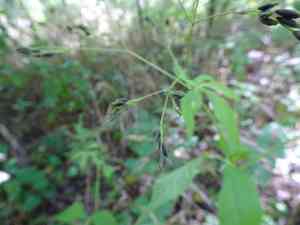
Canadian honewort is most effectively propagated by planting seeds in the springtime. This species is quite simple to multiply, and the appearance of young plants frequently indicates successful cultivation. Provide adequate hydration and illumination to further enhance the likelihood of successful propagation.
Optimal Time for Canadian Honewort Propagation
Propagation Method
Seeding
Propagation Period
Spring
Tools for Canadian Honewort Propagation
Seed trays
Seed trays are perfect for canadian honewort as they allow for numerous plants in a small area, simplifying management and tracking germination rates. They offer a controlled setting vital for even moisture and heat distribution, both essential for successful canadian honewort germination.
Peat pots
Peat pots are especially useful for canadian honewort when transplanting young seedlings. As canadian honewort can be sensitive to transplant shock, biodegradable peat pots enable direct planting into the soil without disturbing the root system. This encourages healthier growth post-propagation.
Misting bottle
A misting bottle is key for maintaining the high humidity levels required for canadian honewort seed germination. It permits gentle watering that doesn't dislodge the seeds while ensuring they remain adequately moist.
Heating mat
A heating mat significantly boosts canadian honewort's germination process by keeping a steady soil temperature. This is particularly helpful during colder months or in cooler climates where maintaining a warm germination environment might be difficult.
Fine vermiculite
Applying fine vermiculite as a top layer for sown canadian honewort seeds aids in retaining moisture and air around them, creating an ideal damp and aerated environment for germination. Vermiculite also supports delicate root development, important for stabilizing canadian honewort seedlings.
How to Propagate Canadian Honewort?
Propagation Difficulty
Simple
Caring for Your Newly Propagated Canadian Honewort
Caring for Your Newly Propagated Canadian Honewort?
Once canadian honewort seedlings are established, gradually introduce them to outdoor conditions if started indoors. Transplant into a shady to partial-sun spot in rich, well-drained soil. Maintain consistent moisture, especially during dry spells, and mulch around the base to retain moisture and deter weeds. Canadian honewort benefits from occasional feeding with a balanced, organic fertilizer. Regularly check for pests and diseases, though canadian honewort is generally robust with proper growing conditions.
Common Errors to Avoid When Propagating Canadian Honewort
Overwatering
Excessive watering of canadian honewort can lead to waterlogged soil, restricting oxygen to the roots and potentially causing root rot. This mistake severely hinders the plant's ability to establish a healthy root system during propagation.
Deep Planting
When propagating canadian honewort from seeds, planting them too deep can prevent germination due to insufficient light and excessive soil moisture. This error reduces germination rates and can delay or stop the propagation process.
Ignoring Humidity
Failure to maintain a moderately humid environment for canadian honewort can result in the drying out of seeds or young plants. Proper humidity is vital for the survival of seedlings and cuttings, as it supports essential physiological processes.
Tips for Propagating Canadian Honewort
Soil Composition
Utilize a well-draining soil mix enriched with organic matter to encourage healthy root growth while preventing waterlogging. The soil should support moisture retention without becoming soggy, benefiting the delicate root systems of canadian honewort.
Surface Sowing
For optimal germination, sow canadian honewort seeds on the soil surface and gently press them into the topsoil without fully covering them. This method allows the seeds to receive ample light and moisture, promoting successful germination.
Controlled Humidity
Maintain a consistent humidity level by covering the propagation area with a transparent cover, such as a plastic dome or bag. This setup keeps moisture around canadian honewort, which is crucial during the critical phases of seed germination and early seedling growth.



