How to Propagate Bitter orange?
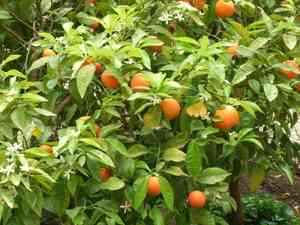
Bitter orange is commonly reproduced through the use of cuttings, with the most favorable periods being spring and summer. This technique presents a moderate level of difficulty, and the emergence of new foliage signifies successful propagation. Ensure the cuttings receive ample moisture and are shielded from direct solar exposure at the outset.
Optimal Time for Bitter Orange Propagation
Propagation Type
Cutting
Propagation Season
Spring, Summer
Tools Required for Bitter Orange Propagation
Sharp Pruning Shears
For propagating bitter orange via cuttings, sharp pruning shears are vital. They allow for precise cuts without harming plant tissues, which is key for successful rooting. Clean cuts prevent disease and promote faster healing and root growth.
Rooting Hormone
Rooting hormone, in powder or liquid form, is used to stimulate root development on bitter orange cuttings. It contains auxins, plant hormones that encourage root cell formation, significantly boosting propagation success by fostering quicker, more uniform rooting.
Sterile Potting Mix
A sterile potting mix offers a clean, disease-free environment for bitter orange cuttings to root. The mix should be light and well-draining to support new root growth while retaining adequate moisture without becoming waterlogged, which could cause rot.
Propagation Tray
Propagation trays are used to hold bitter orange cuttings in an organized, stable manner. These trays often include clear plastic domes that help maintain consistent humidity and temperature, crucial factors for cuttings to establish roots.
Hygrometer/Temperature Gauge
Monitoring humidity and temperature in the propagation environment is essential for bitter orange cuttings. A hygrometer/temperature gauge helps ensure optimal conditions for root development, typically a warm and humid setting.
Heat Mat
A heat mat gently warms the rooting area, which is especially beneficial for bitter orange as it prefers warm rooting conditions. Consistent warmth can accelerate root development and increase propagation success rates.
Misting Bottle
A misting bottle provides a gentle way to keep leaves and the propagation medium surface moist, preventing bitter orange cuttings from drying out before rooting. It also helps maintain humidity around the cuttings, especially in dry conditions.
Steps to Propagate Bitter Orange
Propagation Type
Cutting
Difficulty Level
Moderately Difficult
Post-Propagation Care for Bitter Orange
How to Care for Your Newly Propagated Bitter Orange?
After propagation, bitter orange needs full sun and well-draining soil. Water regularly to keep the soil consistently moist but not saturated. Fertilize with a balanced product during the growing season. Protect from frost and prune to maintain shape and remove any diseased or damaged branches. Watch for common pests like scale, mites, and aphids.
Common Errors to Avoid When Propagating Bitter Orange
Inadequate rooting environment
Using unsuitable soil mixtures can hinder bitter orange's root development. Heavy soils may retain too much moisture, leading to root rot, while very light soils might not provide enough support or moisture retention for new roots.
Incorrect cutting length
Taking cuttings that are either too short or too long can impede bitter orange's root formation and growth. Overly short cuttings may lack sufficient energy reserves, while excessively long ones can struggle to sustain themselves before rooting.
Overwatering
Watering bitter orange propagation material too frequently can cause cuttings to rot before they can root. Consistent overwatering creates an anaerobic environment around the cutting, which is detrimental to root development.
Neglecting hygiene
Not sterilizing tools or using diseased plant material for cuttings can spread pathogens, leading to diseased or failed propagation in bitter orange. Clean materials are crucial to prevent fungal and bacterial infections.
Ignoring cutting health
Using weak or diseased parts of bitter orange for propagation can result in poor growth or failure. Healthy, vigorous sections are necessary for successful rooting and development.
Tips For Propagating Bitter Orange
Proper medium
Utilize a well-draining, sterile potting mix to ensure the best environment for bitter orange's roots to develop. A mix of peat, perlite, and sand often works well for citrus cuttings.
Optimal cutting size
Prepare cuttings of bitter orange that are 4-6 inches in length with multiple nodes. This length typically provides a good balance between having sufficient energy reserves and being able to sustain the cutting throughout the rooting process.
Controlled watering
Maintain a consistent but moderate watering schedule for bitter orange's cuttings. The medium should stay moist but not waterlogged. Using a misting system can help to prevent overwatering and provide humidity.
Use of rooting hormones
Applying a rooting hormone to bitter orange's cuttings can encourage quicker and more reliable root development. This can be particularly useful for hardwood cuttings which are generally more challenging to root.
Cutting selection
Always select healthy, disease-free cuttings for propagation of bitter orange. Choose semi-hardwood cuttings from the current or previous year's growth for best results.



