How to Propagate Slender woodoats?
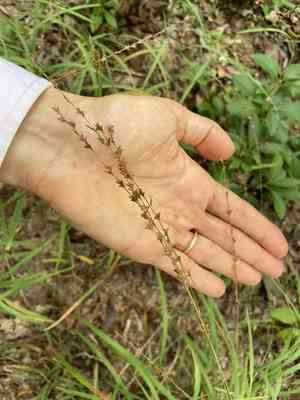
Chasmanthium laxum, a perennial grass, is distinguished by its graceful, oat-like inflorescences. This species flourishes in damp, adequately drained substrates and favors locations with partial shade. Propagation through division is an advisable technique. For effective propagation, separate established clusters in the springtime, making sure every segment possesses robust root systems. Immediately transplant the divisions and maintain consistent moisture until they are firmly rooted.
Optimal Time for Slender Woodoats Propagation
Propagation Method
Separation
Propagation Period
Spring,Autumn
Tools Required for Slender Woodoats Propagation
Garden Spade
Utilized to carefully excavate around and elevate the parent plant from the earth, minimizing root trauma. Crucial for cleanly dividing clumps.
Hand Pruners
Perfect for trimming away dead or damaged foliage, aiding in plant health and providing clear visibility during the division process.
Root Knife
A specialized implement for meticulously separating root masses. Its sharp edge ensures clean cuts, vital for reducing stress and harm to root systems.
Potting Mix
Supplies essential nutrients and proper drainage for newly separated clumps. Indispensable for fostering robust root development.
Plant Trays or Pots
Receptacles used to house the divided plants until they are ready for transplanting. Ensure adequate drainage to prevent water accumulation.
Watering Can
Guarantees precise irrigation, critical for maintaining the delicate moisture balance required by new plant divisions.
Label Stakes
Helps keep track of planting dates and care requirements, assisting in monitoring growth progress.
How to Propagate Slender Woodoats?
Propagation Type
Simple
Post-Propagation Care for Slender Woodoats
Post-Propagation Care for Slender Woodoats
After propagation, maintain consistent soil moisture, provide partial to full shade, and ensure the soil remains well-draining. Regularly inspect for pests and diseases. Applying mulch around the base can help retain soil moisture and regulate temperature. Prune dead or damaged foliage to encourage healthy growth.
Common Errors to Avoid When Propagating Slender Woodoats
Overwatering
Excessive moisture can lead to root rot in slender woodoats, hindering its propagation and causing plant demise.
Poor soil drainage
Employing soil that lacks proper drainage traps water around the roots, encouraging fungal infections.
Insufficient light
Inadequate light can weaken slender woodoats, resulting in stunted development and unsuccessful propagation attempts.
Wrong soil type
Using unsuitable soil types that do not mimic slender woodoats's natural environment can impede its nutrient absorption.
Improper planting depth
Planting slender woodoats too deeply or too shallowly can hinder root establishment, impacting its growth.
Advice for Propagating Slender Woodoats
Appropriate watering
Water slender woodoats moderately, ensuring the soil stays moist but not saturated to prevent root rot.
Utilize well-draining soil
Choose well-draining soil to prevent waterlogging and promote healthy root development.
Sufficient light
Provide bright, indirect sunlight to ensure that slender woodoats can photosynthesize effectively and grow robustly.
Fertile, slightly acidic soil
Use soil that is fertile and slightly acidic to emulate slender woodoats's natural conditions and supply necessary nutrients.
Correct planting depth
Plant slender woodoats at an appropriate depth, typically just covering the roots, to ensure proper root establishment and growth.



