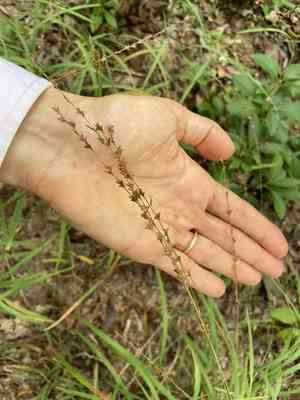
Slender woodoats (Chasmanthium laxum)
Also known as: Slender spikegrass
Northern Sea Oats (Chasmanthium latifolium) is known for its unique, drooping seed heads that bear a resemblance to delicate bamboo. This ornamental grass thrives in partially shaded woodland environments. It features leafy, arching stems that lend a loose, feathery look. Swaying gracefully in the wind, it adapts well to various moist soil conditions. Its presence in the understory adds to ecosystem diversity and offers a distinctive touch to native landscaping.
In This Article
Attributes of Slender woodoats
Lifespan
Perennial
Plant Type
Grass
Plant Height
30 cm to 1.8 m
Spread
60 cm
Leaf Color
Green
Flower Size
The flattened spikelets can be up to 1 inch (2.5 cm) long.
Flower Color
Green to tan as they mature
Images of Slender woodoats
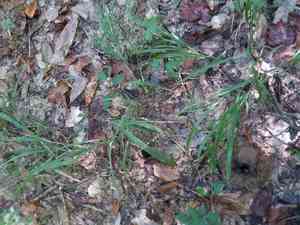
Quickly Identify Slender woodoats
1
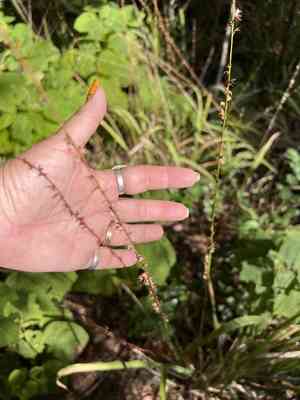
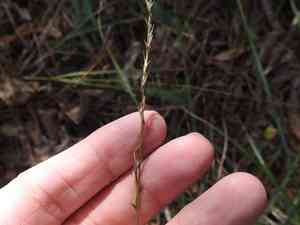
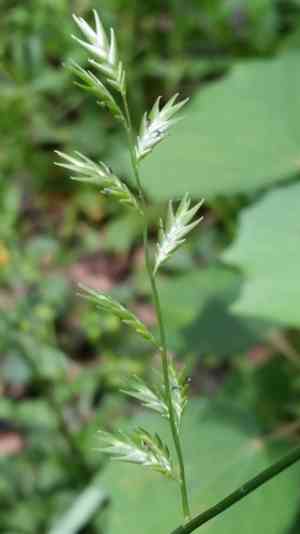
Look for the characteristic flattened and drooping spikelets that resemble fish scales, typically green turning to tan as they mature. The leaves are flat and linear, giving an overall delicate and graceful appearance.
Scientific Classification of Slender woodoats
Phylum
Vascular plants
Class
Monocotyledons
Order
Poales
Family
Grass
Genus
woodoats
Species
Slender woodoats
Planting and Growing of Slender woodoats
Care Difficulty
Easy
Watering Schedule
Every 6 days
Sunlight Requirements
Partial sun
Sunshine Duration
4-8 hours
Ideal Temperature
68-86℉
Soil Type
Potting Mix, Peat Mix
Soil pH
6-7.5
Fertilizer Type
Balanced
Pruning Season
Spring, Summer
Pruning Area
Branches, Leaves
Pruning Frequency
2 times a year
Repotting Season
Spring
Pot Type
Plastic, Ceramic
 How to Water Slender woodoats?
Chasmanthium laxum thrives in moderately moist soil. It's critical to water it until the soil is evenly moist but not waterlogged, ensuring that all roots have access to water without drowning them. Watering should be adjusted based on seasonal changes and plant age, with more frequent watering during active growth periods.
What are the symptoms of an underwatered Slender woodoats?
›
What should I do if my Slender woodoats is not getting enough water?
›
What are the symptoms of an overwatered Slender woodoats?
›
How to save an overwatered Slender woodoats?
›
 What Are the Sunlight Requirements for Slender woodoats?
Partial sun to full shade ensures healthy, vigorous growth and vibrant foliage, while protecting the plant from the stress of excessive sunlight.
How much light does Chasmanthium laxum need?
›
What is the best location for this plant?
›
What are the benefits of ideal lighting for Chasmanthium laxum?
›
 What Is the Ideal Temperature Range for Slender woodoats?
Chasmanthium laxum thrives best in a temperature range of 68°F to 86°F. This range supports optimal physiological processes, including photosynthesis and nutrient absorption. It is crucial to maintain these temperatures consistently to promote healthy growth and development.
 What Soil is Best for Slender woodoats?
Chasmanthium laxum thrives in soils that offer excellent drainage, preventing root rot by allowing excess water to escape quickly, crucial in preventing potential root diseases. The plant benefits from soils rich in organic matter, enhancing its growth and vibrant appearance by providing necessary nutrients and fostering healthy root development. This species prefers soil that retains moisture without being water-logged, aiding in sustained growth and ensuring plant health during dry spells.
 How to Fertilize Slender woodoats?
For Chasmanthium laxum, it's essential to use a balanced fertilizer with an N-P-K ratio of 10-10-10 to ensure an even supply of nutrients. Apply liquid fertilizer at a rate of 1 tablespoon per gallon of water every two weeks and slow-release granules at about 0.5 pounds per 50 square feet once in early spring, mid-summer, and late fall.
 How to Prune Slender woodoats?
Before pruning, inspect your Chasmanthium laxum for any signs of disease or pest infestation. Trim away affected areas first, being sure to dispose of them properly to prevent further contamination. This initial step guarantees a healthy starting point for your pruning session. Focus on trimming back overgrown stems and foliage to create a pleasing shape. Cut back to a node or healthy bud to encourage new growth. Avoid cutting too close to the crown as this may harm the plant's development. Regularly removing old stems revitalizes the plant and encourages lush regrowth. After pruning, water your Chasmanthium laxum thoroughly to reduce shock and stress. Follow up with monitoring for any signs of distress or disease. Proper aftercare ensures the plant remains healthy and continues to thrive throughout the growing seasons.
More About Pruning Techniques→
 How to Propagate Slender woodoats plant?
1
Wait until the seed heads of Chasmanthium laxum turn a brownish color indicating maturity. Carefully collect the seeds by cutting the heads off and allow them to dry thoroughly before preparing them for sowing.
2
Fill seed trays with a well-draining potting mix. Plant the seeds shallowly, light pressing them into the soil. Keep the mix moist but not waterlogged, placing the trays in a warm and sunny spot until they germinate.
3
During the growing season, carefully remove the plant from its pot or dig it up from the ground. Use a spade or knife to divide the root clump into manageable sections, ensuring each division has both roots and shoots for successful reestablishment.
 How to Repot Slender woodoats plant?
1
Chasmanthium laxum signals its need for repotting when you observe roots growing out of drainage holes, or if the plant appears to be stunted in growth. These signs usually indicate that the root system has outgrown the current pot and a new space is vital.
2
Select a pot that is one size larger than the current one, ensuring it has adequate drainage holes. This prevents water from accumulating at the base, reducing the risk of root rot, and allows the roots to breathe and expand comfortably.
3
Opt for a well-draining potting mix with a balance of organic and inorganic materials. This kind of soil mix ensures proper drainage while retaining enough moisture, creating an ideal growing environment for Chasmanthium laxum.



