How to Propagate Heavy sedge?
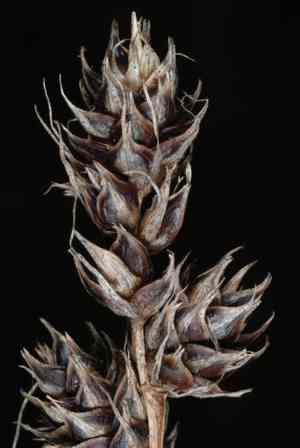
Carex gravida is a perennial grass-like plant thriving in damp, adequately drained earth, frequently observed in grasslands and sparse forests. Reproduction through separation entails dividing the underground stems and root system, making sure every piece possesses growth points and roots. Place the divided sections in comparable environments for peak development. Confirm that the divisions receive sufficient hydration and ground cover to facilitate their settling. Periodically inspect for infestations or ailments to preserve the plant's well-being.
What Is the Best Time To Propagate Heavy Sedge?
Propagation Type
Separation
Propagation Season
Spring,Autumn
What Tools Are Used in Heavy Sedge Propagation?
Garden Fork
A garden fork is crucial for carefully extracting heavy sedge clumps without causing significant root damage. Its robust tines facilitate easy lifting and division of plant clusters, which is vital for successful propagation.
Sharp Knife or Garden Spade
A sharp knife or garden spade is utilized to separate the root clumps of heavy sedge into smaller portions. This helps minimize root trauma and promotes quicker establishment after replanting. Ensuring the tool is sharp is essential for making clean cuts.
Root Washing Tray or Bucket
A root washing tray or bucket enables the removal of soil from heavy sedge roots, making it simpler to identify division points. Clean roots can significantly lower the risk of disease during propagation.
Potting Containers
Small pots or containers are necessary for planting the divided sections of heavy sedge. These containers offer controlled environments for young plants to develop roots before being moved to their permanent location.
High-Quality Potting Mix
Employing a high-quality, well-draining potting mix is essential for the health of newly divided heavy sedge sections. It ensures plants receive sufficient nutrients and encourages robust root development.
Watering Can with Fine Rose
A watering can with a fine rose is perfect for gently irrigating divided heavy sedge sections without dislodging soil or harming young roots. Consistent moisture is crucial during the initial growth phases.
Labeling Stakes or Tags
Labeling stakes or tags help keep track of different heavy sedge sections after division. This is particularly useful for monitoring the growth and health of each division over time.
Protective Gardening Gloves
Wearing protective gardening gloves is necessary to safeguard hands while handling and dividing heavy sedge. It also prevents the potential transfer of diseases or pests to the plant.
How to Propagate Heavy Sedge?
Propagation Type
Simple
How to Care for Your Newly Propagated Heavy Sedge?
How to Care for Your Newly Propagated Heavy Sedge?
After propagating heavy sedge, provide consistent irrigation to keep the soil uniformly moist but not waterlogged, especially during the initial establishment phase. Monitor for any indications of stress or disease. Heavy sedge prefers well-draining soil in a location that receives full to partial sunlight. Regularly check for weeds and remove them to reduce competition for nutrients. Fertilize lightly if necessary, but avoid over-fertilizing as heavy sedge typically thrives in lean soil conditions. As the plants grow, trim any dead or damaged foliage to maintain a healthy appearance.
Common Mistakes to Avoid When Propagating Heavy Sedge
Overwatering
Excessive irrigation can lead to root rot and fungal problems, as heavy sedge prefers well-drained soil.
Improper Soil
Using a dense, clay-rich soil instead of a well-draining mix can impede root development and make the plant susceptible to diseases.
Incorrect Light Conditions
Providing too much shade or direct sunlight can stress the plant, resulting in poor growth and unsuccessful propagation.
Neglecting Pests
Ignoring pest management can lead to infestations that can harm or kill young plants.
Over-fertilizing
Excessive fertilization can cause nutrient imbalances, leading to weak growth and potential toxicity.
Tips For Propagating Heavy Sedge
Well-draining Soil
Utilize a sandy or loamy soil mixture to ensure proper drainage and prevent root rot.
Adequate Watering
Water the plant moderately, ensuring the soil is moist but not saturated.
Optimal Light Conditions
Position heavy sedge in an area where it can receive partial sunlight to mimic its natural environment.
Pest Monitoring
Regularly inspect for pests and address infestations promptly to maintain plant health.
Balanced Fertilization
Apply a balanced, slow-release fertilizer sparingly to support healthy growth without overloading the soil with nutrients.



