How to Propagate Floating marsh marigold?
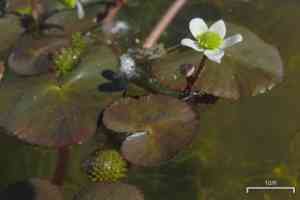
The aquatic plant known as floating marsh marigold thrives in marshlands and wetlands. To achieve successful propagation, disperse the seeds into moist soil or a suitable potting blend. It is essential to keep the planting substrate uniformly hydrated throughout the germination phase, replicating its native environment. Exercise extreme care, as the nascent plants are fragile. This approach guarantees vigorous development and well-being. Regular, moderate irrigation and sufficient sunlight are vital for nurturing the juvenile plants.
What Is the Best Time To Propagate Floating Marsh Marigold?
Propagation Type
Sowing
Propagation Season
Spring
What Tools Are Used in Floating Marsh Marigold Propagation?
Seed Trays
Seed trays offer a controlled setting for germinating floating marsh marigold seeds, ensuring proper spacing, moisture, and light. They aid in better root development and easier transplanting.
Fine Seed Compost
Fine seed compost provides a nutrient-rich, well-draining medium vital for successful floating marsh marigold seed germination. It ensures good seed-to-soil contact, crucial for early growth.
Spray Bottle
A spray bottle is used to gently mist the soil, maintaining proper moisture without disturbing delicate floating marsh marigold seeds. Consistent moisture is key for germination.
Humidity Dome
Humidity domes are placed over seed trays to create a moist microenvironment, beneficial for floating marsh marigold germination and initial growth. This helps maintain consistent humidity and temperature.
Heat Mat
A heat mat beneath seed trays can provide warmth from below, accelerating floating marsh marigold germination by maintaining an optimal temperature range.
Labeling Stakes
Labeling stakes identify and track floating marsh marigold seeds in different trays, preventing mix-ups and ensuring organized propagation efforts.
Watering Can with Fine Rose
A watering can with a fine rose attachment allows for gentle watering without disturbing floating marsh marigold seeds or young seedlings. Proper watering is crucial for healthy seedling development.
Grow Lights
Grow lights provide ample artificial illumination, especially if indoor propagation lacks natural sunlight. Sufficient light promotes healthy floating marsh marigold seedling growth.
Seedling Transplanting Tool
A small transplanting tool is useful for carefully moving floating marsh marigold seedlings from the tray to their final location without root damage. Proper handling during transplant ensures better survival.
How to Propagate Floating Marsh Marigold?
Propagation Type
Easy
How to Care for Your Newly Propagated Floating Marsh Marigold?
How to Care for Your Newly Propagated Floating Marsh Marigold?
Once floating marsh marigold seedlings have developed a few true leaves, they can be gradually introduced to outdoor conditions. Transplant them into larger pots or directly into the garden, ensuring they receive full to partial sunlight and are in a moist, boggy area. Water regularly to maintain soil moisture and check for pests or diseases. Mulching around the base can help retain moisture and regulate soil temperature. Fertilize sparingly with a balanced, water-soluble fertilizer to encourage healthy growth without overwhelming the young plants.
Common Mistakes to Avoid When Propagating Floating Marsh Marigold
Overwatering
This can lead to root rot and other fungal diseases, which are harmful to floating marsh marigold's health and can hinder successful propagation.
Improper Lighting
Floating marsh marigold needs adequate sunlight. Too little light can result in weak growth, while too much direct light can scorch the leaves.
Incorrect Soil Type
Floating marsh marigold thrives in specific aquatic and boggy conditions. Using regular garden soil can impede growth and propagation.
Inadequate Spacing
Crowding can reduce airflow and increase susceptibility to diseases, negatively impacting the propagation process.
Failure to Control Pests
Ignoring pests such as aphids or snails can cause significant damage to floating marsh marigold, hindering successful propagation.
Tips For Propagating Floating Marsh Marigold
Maintain Moist Conditions
Floating marsh marigold prefers wet, marshy conditions. Ensuring the soil is consistently moist but not waterlogged is crucial for healthy propagation.
Use Appropriate Aquatic Soil
Utilize soil specifically designed for aquatic plants to provide the necessary nutrients and support structure for floating marsh marigold.
Provide Adequate Sunlight
Place floating marsh marigold in a spot where it can receive partial sunlight, which is ideal for its growth and propagation.
Ensure Proper Spacing
Allow sufficient space between plants to promote good airflow and reduce the risk of disease.
Monitor and Control Pests
Regularly check for pests and take prompt action to manage them, using organic or chemical treatments as appropriate.



