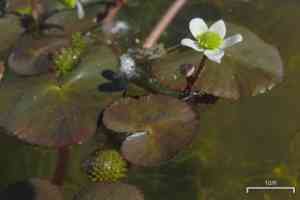
Floating marsh marigold (Caltha natans)
Also known as: Floating Marsh Marigold
The plant you're referring to is likely the Yellow Water Lily (Nuphar lutea). This aquatic perennial features broad, heart-shaped leaves that float on the surface of the water. Its striking yellow flowers bloom in the spring, creating a vivid contrast against the green backdrop of wetlands. Thriving in calm or slow-moving freshwater environments, this plant also contributes to oxygenating the water, which supports the health of aquatic ecosystems.
In This Article
Attributes of Floating marsh marigold
Lifespan
Perennial
Plant Type
Herb
Plant Height
30 cm
Spread
30 cm
Leaf Color
Green
Flower Size
1-2 cm
Flower Color
Yellow
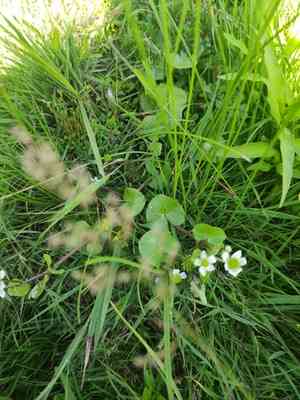
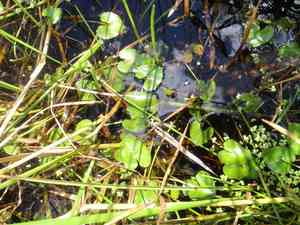
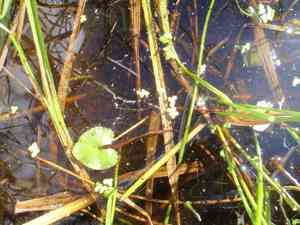
Images of Floating marsh marigold
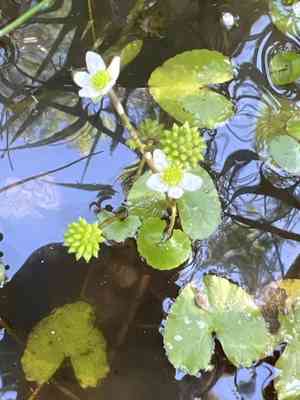
Quickly Identify Floating marsh marigold
1
Identify Caltha natans by its shiny, rounded, and somewhat kidney-shaped leaves that float on the water surface. Its yellow, star-shaped flowers and preference for aquatic habitats are key identifying features.
Scientific Classification of Floating marsh marigold
Phylum
Vascular plants
Class
Dicotyledons
Order
Ranunculales
Family
Buttercup
Genus
Caltha
Species
Floating marsh marigold
Planting and Growing of Floating marsh marigold
Care Difficulty
Moderate
Watering Schedule
Every 2 days
Sunlight Requirements
Partial sun
Sunshine Duration
4-8 hours
Ideal Temperature
68-77℉
Soil Type
Potting Mix, Peat Mix
Soil pH
6.5-7.5
Fertilizer Type
Balanced
Pruning Season
Spring, Summer
Pruning Area
Branches, Leaves
Pruning Frequency
2 times a year
Repotting Season
Spring
Pot Type
Plastic, Ceramic
 How to Water Floating marsh marigold?
Caltha natans appreciates moderate moisture levels. Water should be applied until the soil feels evenly moist to the touch, but avoid soggy conditions. Use approximately 200 milliliters to achieve optimal hydration without waterlogging the root zone.
What are the symptoms of an underwatered Floating marsh marigold?
›
What should I do if my Floating marsh marigold is not getting enough water?
›
What are the symptoms of an overwatered Floating marsh marigold?
›
How to save an overwatered Floating marsh marigold?
›
 What Are the Sunlight Requirements for Floating marsh marigold?
Partial sun to full shade is ideal for Caltha natans, providing a balance of gentle light without direct exposure. Ideal lighting ensures healthy growth, vibrant leaves and flowers, and improved overall plant resilience.
What is the best sunlight condition for Caltha natans?
›
How to achieve ideal lighting for Caltha natans?
›
What are the benefits of ideal lighting for Caltha natans?
›
 What Is the Ideal Temperature Range for Floating marsh marigold?
The optimal temperature range for growing Caltha natans is between 68°F and 77°F. Maintaining this temperature ensures healthy growth and vibrant foliage.
 What Soil is Best for Floating marsh marigold?
Caltha natans thrives in soil that retains moisture well, akin to its natural marshy habitat. This ensures the plant gets enough water without being waterlogged, promoting healthy growth and bright, attractive blooms. Loamy soil, which is rich in organic matter, is crucial for the plant’s nutrient uptake. This type of soil provides a steady supply of nutrients, fostering robust health and resilience against pests and diseases. A high content of organic material in the soil supports healthy root development in Caltha natans. It helps improve structure and aeration, which are key to promoting vigorous plant growth.
 How to Fertilize Floating marsh marigold?
For Caltha natans, ensure you use a diluted liquid fertilizer at half the recommended strength. Two tablespoons per gallon of water every two weeks should suffice during the growing season. Apply moderately to avoid over-fertilization.
 How to Prune Floating marsh marigold?
Always clean your pruners before and after use to prevent the spread of disease. A mixture of water and rubbing alcohol is effective for sanitizing tools. During pruning, be cautious not to cut away new shoots. These are the plant’s future, and trimming them can hinder its ability to flourish. Focus more on removing the old foliage. Avoid over-pruning. The goal is to encourage natural growth, not to redesign the plant. Keep the natural shape intact by making strategic cuts rather than drastic reshaping.
More About Pruning Techniques→
 How to Propagate Floating marsh marigold plant?
1
Collect seeds after they mature on the plant. Sow the seeds in well-drained seed trays filled with a seed-starting mix. Maintain moisture levels, but avoid waterlogging. Place trays in a warm location with indirect sunlight.
2
Choose mature plants with well-established root systems for division. Ensure the plant is well-watered the day before dividing. This helps in easing the separation of roots and ensures less stress on the plant.
3
Carefully remove the plant from the ground. Use a sharp knife or spade to divide the root clump into sections. Each section should have a good mix of roots and foliage. Replant each section immediately to maintain moisture.
 How to Repot Floating marsh marigold plant?
1
Caltha natans should be repotted when you observe that the root system is outgrowing the current pot, or if the water isn't draining well anymore. Additionally, if you notice the plant's growth has slowed despite optimal conditions, it may be signaling a need for more space and fresh soil.
2
Choose a pot that's one size larger than the current one, with adequate drainage holes. This size upgrade provides ample space for root expansion, avoiding waterlogged conditions. Terracotta pots are ideal as they promote breathability and evaporation, ensuring roots get necessary oxygen.
3
Opt for a moist, well-draining loam rich in organic matter. This choice balances moisture retention with proper drainage, mimicking natural wetland conditions. The organic material supports healthy nutrient uptake, thriving root development, and overall plant vitality.
Toxicity
ingestion
WARNING
The judgment on toxicity and danger is for reference only. We DO NOT GUARANTEE any accuracy of such judgment. Therefore, you SHALL NOT rely on such judgment. It is IMPORTANT TO SEEK PROFESSIONAL ADVICE in advance when necessary.
Learn More About Floating marsh marigold Diseases
Anthracnose
Bacterial Leaf Spot
Bacterial Soft Rot
Damping-off
Downy Mildew
Drought Stress
Fusarium Wilt
Gray Mold
Leaf Spot
Mosaic
Nutrient Deficiency
Nutrient Toxicity
Powdery Mildew
Root Rot
Root-knot Nematode
Rusts
Sooty Mold
Spider Mites
Temperature Stress
Thrips Damage
White Mold
Chemical Injury



