How to Propagate Turkish wartycabbage?
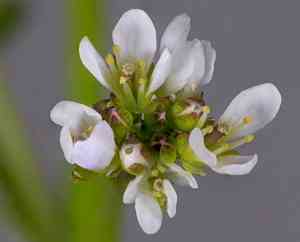
Turkish wartycabbage can be efficiently multiplied using cuttings, a technique particularly well-suited for rapid and dependable reproduction. Cultivators ought to choose robust, non-blooming stems from the specimen during its periods of vigorous development. These severed portions should then be immediately inserted into porous soil, guaranteeing sufficient hydration and diffused illumination to encourage root formation. This specific attention fosters ideal development and successful integration into new surroundings.
Optimal Time for Turkish Wartycabbage Propagation
Propagation Method
Cutting
Propagation Period
Spring,Summer
Tools Required for Turkish Wartycabbage Propagation
Sharp Shears or Secateurs
These are essential for making clean, precise cuts from turkish wartycabbage. Sharp blades ensure smooth cuts, minimizing harm to the parent plant and boosting the likelihood of successful rooting in the cuttings. Clean cuts decrease the chance of infection and stress for turkish wartycabbage, encouraging healthier development during and after propagation.
Rooting Hormone (Powder or Liquid)
This substance encourages root formation from turkish wartycabbage cuttings and shields the exposed tissue from fungi and bacteria. Applying rooting hormone to the cut end of the cutting before planting can significantly increase the success rate of root development, thereby improving the viability and stability of new turkish wartycabbage plants.
Sterile Potting Mix
A high-quality, sterile potting medium is vital for rooting turkish wartycabbage cuttings. It offers the necessary support and ideal conditions for young roots to grow. A sterile medium is crucial to prevent disease and pests from affecting the new cuttings. The mix should be light and well-draining to support delicate new roots without becoming waterlogged.
Clean Containers or Pots
These will hold the new cuttings as they begin to root and grow. It's important to use clean or sterilized containers to minimize the risk of introducing pathogens to the new plants. Proper drainage in the containers will help manage moisture levels and encourage root development.
Plastic Covers or Humidity Domes
Maintaining high humidity around turkish wartycabbage cuttings improves rooting success. Covers or domes help keep the air around the cuttings moist, which can prevent the tender new growth from drying out and dying. These should be used until the turkish wartycabbage cuttings have firmly established roots.
How to Propagate Turkish Wartycabbage?
Propagation Type
Easy
Caring for Your Newly Propagated Turkish Wartycabbage
Caring for Your Newly Propagated Turkish Wartycabbage
After propagation, gradually introduce turkish wartycabbage to its typical growing environment. Continue with moderate irrigation, allowing the soil to dry slightly between waterings. Plant turkish wartycabbage in full sun to partial shade in well-draining soil. Fertilize with a balanced, slow-release fertilizer during the growing season to promote robust growth and plant health.
Common Propagation Mistakes to Avoid with Turkish Wartycabbage
Overwatering
Excessive watering of turkish wartycabbage can lead to root rot and fungal infections, diminishing the plant's ability to absorb nutrients effectively and impeding its growth.
Inadequate Soil Preparation
Using poorly drained or nutrient-deficient soil can hinder turkish wartycabbage from developing strong root systems, which are crucial for its survival and spread.
Ignoring Spacing Needs
Planting turkish wartycabbage too closely can result in competition for resources, reducing overall health and vigor, and increasing susceptibility to diseases.
Tips for Propagating Turkish Wartycabbage
Soil Selection
Choose well-draining soil rich in organic matter to support the robust root development of turkish wartycabbage.
Moderate Watering
Water turkish wartycabbage sufficiently to keep the soil moist but not waterlogged, which promotes healthy root growth without the risk of disease.
Adequate Spacing
Ensure proper spacing between plants to reduce resource competition and enhance air circulation, which helps prevent diseases and supports healthier growth.



