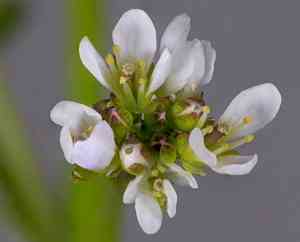
Turkish wartycabbage (Bunias orientalis)
Also known as: Hill mustard, Turkish rocket
Turkish wartycabbage, also known as Bunias orientalis, is a versatile leafy plant. The young leaves are edible and can be incorporated into salads, offering a mildly bitter flavor. This plant is quite hardy and thrives with minimal care, often preferring less attention.
In This Article
Attributes of Turkish wartycabbage
Lifespan
Perennial, Annual
Plant Type
Herb
Plant Height
60 cm to 1 m
Spread
30 cm to 90 cm
Leaf Color
Green
Flower Size
1 cm
Flower Color
Yellow
Images of Turkish wartycabbage
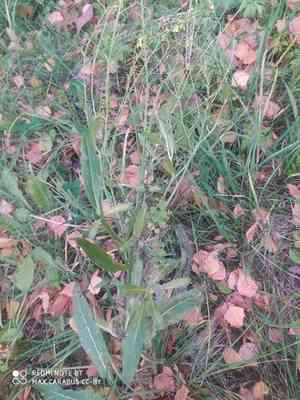
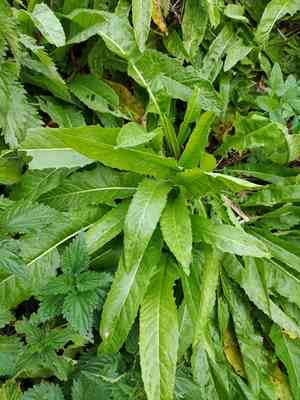
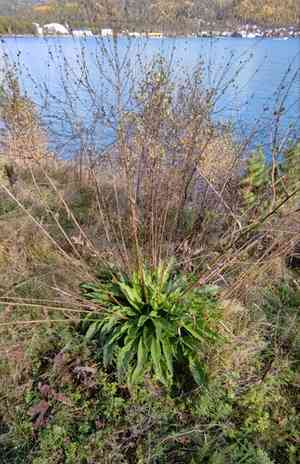
Quickly Identify Turkish wartycabbage
1
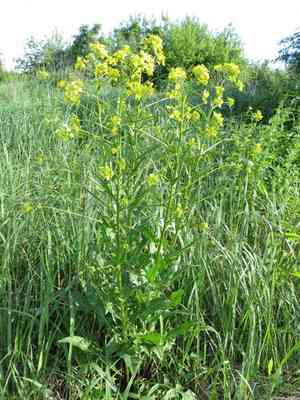
Identify Bunias orientalis by its tall growth, dense clusters of small yellow flowers, and its large, lobed, and toothed leaves.
Scientific Classification of Turkish wartycabbage
Phylum
Vascular plants
Class
Dicotyledons
Order
Brassicales
Family
Cruciferae
Genus
Bunias
Species
Turkish wartycabbage
Planting and Growing of Turkish wartycabbage
Care Difficulty
Easy
Watering Schedule
Every 2 days
Sunlight Requirements
Full sun
Sunshine Duration
6-10 hours
Ideal Temperature
60-75℉
Soil Type
Potting Mix, Peat Mix
Soil pH
6.5-7.5
Fertilizer Type
Balanced
Pruning Season
Spring, Summer
Pruning Area
Branches, Leaves
Pruning Frequency
2 times a year
Repotting Season
Spring
Pot Type
Plastic, Ceramic
 How to Water Turkish wartycabbage?
For Bunias orientalis, ensure the soil is thoroughly soaked but not waterlogged. Aim for a deep watering approach where the water reaches the roots, sustaining the plant. Typically, 500 ml per watering session suffices, balancing moisture and aeration.
What are the symptoms of an underwatered Turkish wartycabbage?
›
What should I do if my Turkish wartycabbage is not getting enough water?
›
What are the symptoms of an overwatered Turkish wartycabbage?
›
How to save an overwatered Turkish wartycabbage?
›
 What Are the Sunlight Requirements for Turkish wartycabbage?
Bunias orientalis thrives best in environments offering full to partial sun. Ideal lighting promotes strong growth, vibrant foliage, and a higher chance of abundant flowering.
More About Sunlight Requirements Techniques→
What is the ideal lighting condition for Bunias orientalis?
›
How can one achieve the ideal lighting condition for Bunias orientalis?
›
What benefits does Bunias orientalis gain from ideal lighting?
›
 What Is the Ideal Temperature Range for Turkish wartycabbage?
The ideal temperature range for growing Bunias orientalis is between 60°F and 75°F. This range is optimal because it supports healthy growth and flowering while avoiding the stress related to temperature extremes. This plant thrives with consistent warmth around these figures, ensuring both foliage and root development remain robust.
 What Soil is Best for Turkish wartycabbage?
Bunias orientalis thrives in well-drained soil, which prevents waterlogging and root rot. Such conditions ensure that the roots receive adequate oxygen, promoting healthier growth and resilience against diseases. This plant prefers a nutrient-rich environment, where essential minerals are readily available. Fertile soil provides the necessary energy for robust foliage and a strong growth cycle, enhancing its ecological contribution. A balance in moisture retention is key for Bunias orientalis. It needs enough moisture to support its needs without excess, which could harm the roots. Proper moisture content aids in nutrient uptake and efficient photosynthesis.
 How to Fertilize Turkish wartycabbage?
For Bunias orientalis, it's essential to find a balance in fertilization. Generally, use about 1/4 to 1/2 teaspoon of liquid fertilizer per gallon of water during the growing season. Avoid over-fertilizing as this can damage the plant.
 How to Prune Turkish wartycabbage?
Begin by inspecting the plant for any dead or diseased leaves or stems and remove them using clean, sharp pruning shears. Next, trim back any overgrown or crossing branches to maintain a balanced shape and improve air circulation. Continuously monitor the plant for unwanted shoots or suckers and remove them promptly. Finally, clean your tools after use to prevent disease spread.
More About Pruning Techniques→
 How to Propagate Turkish wartycabbage plant?
1
Begin by acquiring quality Bunias orientalis seeds. Soak them overnight in water to enhance germination potential. This soaking process softens the seed coat, making it easier for the seedling to emerge.
2
Fill the seed tray with growing medium and lightly press seeds into the soil surface. Cover the seeds with a thin layer of soil, about 1/8 inch. Ensure even spacing to allow room for seedling growth and airflow.
3
After sowing, water the seeds gently to avoid displacing them. Maintain consistent moisture by misting or bottom watering the trays, ensuring not to overwater to prevent rot. Place trays in a warm, bright area away from direct sunlight.
 How to Repot Turkish wartycabbage plant?
1
Recognizing the need for repotting Bunias orientalis comes from its roots outgrowing the pot, showing signals like stunted growth or water draining too quickly. The ideal timing is when the plant is dormant or before new growth in spring and autumn, allowing it to adjust before a growth spurt.
2
Selecting a pot involves ensuring adequate drainage with a size increase of just a couple of inches in diameter. A slightly larger pot allows room for growth without overwhelming the root system, crucial for maintaining healthy plant development and preventing root rot.
3
The choice of soil for Bunias orientalis should focus on good drainage, ideally a loamy mix with a balance of nutrients. Loamy soil is beneficial as it retains enough moisture without sogginess, supports root structures, and promotes optimal aeration.
Learn More About Turkish wartycabbage Diseases
Anthracnose
Bacterial Leaf Spot
Bacterial Soft Rot
Bacterial Wilt
Clubroot
Crown Gall
Cyst Nematode
Damping-off
Downy Mildew
Drought Stress
Fusarium Wilt
Gray Mold
Leaf Spot
Mosaic
Nutrient Deficiency
Nutrient Toxicity
Powdery Mildew
Root Rot
Root-knot Nematode
Rusts
Sooty Mold
Spider Mites
Temperature Stress
Thrips Damage
White Mold



