How to Propagate Coastal brookfoam?
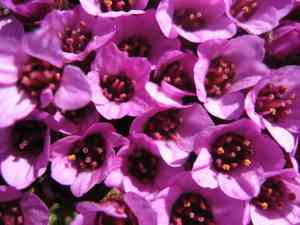
Coastal brookfoam flourishes when reproduced via cuttings, an effective method that leverages the inherent growth patterns of this forest perennial. Begin with robust stem sections, making sure each segment possesses at least one node, which is vital for root formation. To achieve the best outcomes, apply a rooting stimulant and sustain a moist atmosphere to foster root emergence. Choose a potting medium that offers excellent drainage while still holding sufficient dampness, mirroring the plant's natural waterside environments. With diligent attention, root development is swift, resulting in vigorous expansion.
When Is the Optimal Time to Propagate Coastal Brookfoam?
Propagation Method
Cutting
Propagation Period
Spring,Summer
What Equipment Is Utilized in Coastal Brookfoam Propagation?
Sharp pruning shears
These are vital for making clean cuts from coastal brookfoam, which is essential to prevent harm to the parent plant and guarantee robust cuttings. The precision offered by sharp shears aids in creating a clean, angled cut that boosts the rooting potential of the cuttings.
Rooting hormone
This enhances the probability of successful root formation in coastal brookfoam cuttings. Applying a rooting hormone to the fresh cuts helps stimulate root development at an accelerated rate, which is crucial for the delicate initial phases of cutting propagation.
Sterile potting mix
Offers a safe, nutrient-rich environment for coastal brookfoam cuttings to establish roots. The sterility of the mix is important to prevent disease and fungal attacks, which cuttings are particularly susceptible to during the early stages of root development.
Humidity dome or plastic wrap
Maintains a high moisture environment around coastal brookfoam cuttings, which is critical to prevent water loss while the cuttings develop roots. This tool assists in creating a mini-greenhouse effect, fostering improved growth conditions.
Heat mat
Facilitates the ideal temperature required for root development in coastal brookfoam. By maintaining consistent warmth, heat mats can enhance the growth rate and overall success rate of propagation, especially in cooler environments.
How to Propagate Coastal Brookfoam?
Propagation Method
Easy
How to Nurture Your Newly Propagated Coastal Brookfoam?
How to Nurture Your Newly Propagated Coastal Brookfoam?
Following propagation, coastal brookfoam should be gradually introduced to its natural growing conditions. Plant coastal brookfoam in rich, damp soil in a shaded or partially shaded location. Consistent watering is essential, particularly during dry spells, to maintain moist soil conditions. Coastal brookfoam generally requires minimal feeding; a light application of a balanced fertilizer at the start of the growing season can suffice. Monitor for pests and diseases, though coastal brookfoam is largely resilient. Mulching can be beneficial to retain soil moisture and suppress weeds.
Common Errors to Avoid When Propagating Coastal Brookfoam
Overwatering
Excessive watering can lead to root rot in coastal brookfoam, as it prefers well-drained soil. Too much moisture around the roots can hinder oxygen absorption, leading to weakened and potentially dying plants.
Deep planting
Planting coastal brookfoam too deeply can cause the plant's crown to decay. Coastal brookfoam requires the crown to be at or slightly above the soil level to prevent moisture accumulation, which can lead to fungal diseases.
Neglecting division
Failing to divide coastal brookfoam can result in overcrowding and reduced health. Over time, the center of the clump may die out, diminishing the plant's vigor and bloom potential.
Advice For Propagating Coastal Brookfoam
Soil preparation
Utilizing a well-draining soil mix helps prevent issues with water retention around the roots of coastal brookfoam, reducing the risk of root rot and promoting healthy growth.
Appropriate depth
When planting coastal brookfoam, ensure the crown is at or just above the soil level. This placement helps prevent crown rot and supports healthy growth.
Regular division
Periodically dividing coastal brookfoam every few years encourages rejuvenation and increases propagation success. Division should involve separating the plant into several smaller clumps, making sure each has sufficient roots.



