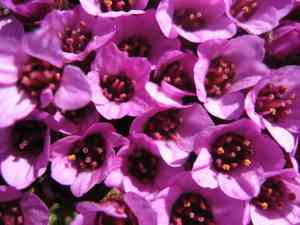
Coastal brookfoam (Boykinia occidentalis)
Also known as: Western Boykinia, Brook Saxifrage
Joe-Pye weed is well-suited to damp environments near rivers and streams and is commonly found at the edges of forests. This resilient perennial blooms in summer, producing clusters of flowers that are highly attractive to bees, butterflies, and other beneficial insects. It's also a great addition to gardens.
In This Article
Attributes of Coastal brookfoam
Lifespan
Perennial
Plant Type
Herb
Plant Height
30 cm to 61 cm
Spread
N/A
Leaf Color
Green Blue
Flower Size
0.5-1 cm
Flower Color
White
Images of Coastal brookfoam
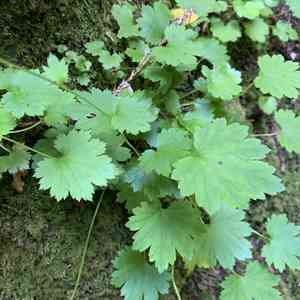
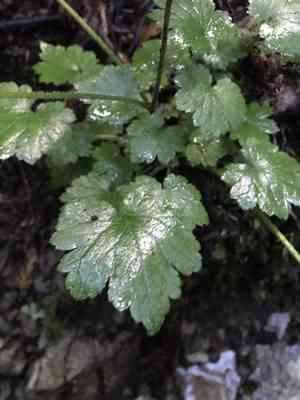
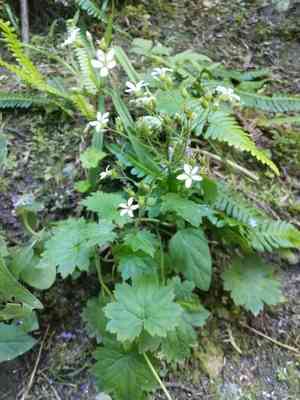
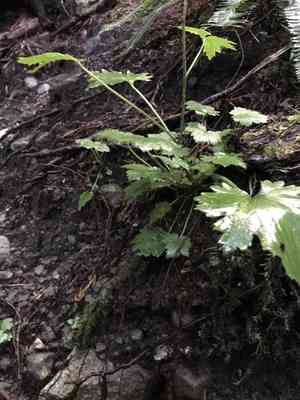
Quickly Identify Coastal brookfoam
1
The plant is recognizable by its large, heart-shaped leaves with jagged edges and its clusters of small, white star-like flowers that bloom from June to August.
Scientific Classification of Coastal brookfoam
Phylum
Vascular plants
Class
Dicotyledons
Order
Saxifragales
Family
Saxifrage
Genus
Boykinia
Species
Coastal brookfoam
Planting and Growing of Coastal brookfoam
Care Difficulty
Easy
Watering Schedule
Every 2 days
Sunlight Requirements
Partial sun
Sunshine Duration
4-8 hours
Ideal Temperature
60-75℉
Soil Type
Potting Mix, Peat Mix
Soil pH
5.5-7.5
Fertilizer Type
Balanced
Pruning Season
Spring, Summer
Pruning Area
Branches, Leaves
Pruning Frequency
2 times a year
Repotting Season
Spring
Pot Type
Plastic, Ceramic
 How to Water Coastal brookfoam?
For Boykinia occidentalis, ensure the soil is consistently moist, but never waterlogged. A thorough soaking of about 250 ml, allowing the water to reach the root zone without excessive runoff, is recommended.
What are the symptoms of an underwatered Coastal brookfoam?
›
What should I do if my Coastal brookfoam is not getting enough water?
›
What are the symptoms of an overwatered Coastal brookfoam?
›
How to save an overwatered Coastal brookfoam?
›
 What Are the Sunlight Requirements for Coastal brookfoam?
Boykinia occidentalis is best suited to partial sun, making it ideal for gardens with dappled light or shaded positions. Such environments protect it from extreme heat while supporting lush and vibrant growth.
What are the preferred light conditions for Boykinia occidentalis?
›
How can I ensure Boykinia occidentalis receives ideal lighting?
›
What are the benefits of ideal lighting for Boykinia occidentalis?
›
 What Is the Ideal Temperature Range for Coastal brookfoam?
The ideal temperature range for Boykinia occidentalis is between 60°F and 75°F. This range ensures optimal growth by maintaining the metabolic and physiological processes of the plant. Given that this species is native to temperate climates, replicating these conditions aids in sustaining its natural growth patterns and promotes healthy foliage and blooming.
 What Soil is Best for Coastal brookfoam?
Boykinia occidentalis thrives in well-drained soil conditions, preventing waterlogging which can damage its roots. This type of drainage is crucial to maintaining healthy root systems and supporting vigorous growth. Consistent moisture is key for Boykinia occidentalis, as it mimics its natural habitat alongside streams and moist woods. Maintaining soil moisture promotes vibrant foliage and encourages blooming. A soil rich in organic matter supplies essential nutrients, enhances water retention, and promotes beneficial microbial activity, all of which are beneficial for the lush growth of Boykinia occidentalis.
 How to Fertilize Coastal brookfoam?
For Boykinia occidentalis, it's important to use a balanced fertilizer to provide all necessary nutrients. A good rule of thumb is to use a 10-10-10 (N-P-K) liquid fertilizer diluted to half strength. For solid fertilizers, apply according to product instructions, ensuring not to exceed 250 grams per square meter annually.
 How to Prune Coastal brookfoam?
Begin by identifying any dead, damaged, or diseased leaves and stems. Carefully remove these as they can attract pests and plant diseases if left unattended. Trim back overgrown branches to maintain a balanced shape. This helps in allowing light and air to circulate, promoting healthier inner growth and preventing mildew. Pinch the tips of young growth to encourage bushier growth. This will lead to a more robust plant with enhanced flowering capability, providing a more attractive appearance.
More About Pruning Techniques→
 How to Propagate Coastal brookfoam plant?
1
Gather seeds from mature Boykinia occidentalis plants in late summer or early autumn. Ensure seeds are fully ripened and dried before storage or immediate planting.
2
Select healthy roots from a mature plant during early spring. Cut roots into segments, ensuring each piece has a few buds or nodes, as these will sprout new growth.
3
Plant seeds or root cuttings in a well-draining soil mix. Keep the soil evenly moist but not waterlogged. Provide indirect light and maintain a stable, warm environment to encourage growth.
 How to Repot Coastal brookfoam plant?
1
Boykinia occidentalis should be repotted when it outgrows its current pot, indicated by roots appearing at the drainage holes or on the surface. Another sign to watch for is a decrease in growth rate. Typically, repotting is best done in spring or early autumn when the plant’s growth cycle is active but not too vigorous, allowing for easy acclimation to a new environment.
2
Select a pot that is one size larger than the current pot, offering ample space for growth without being excessively large, which can lead to waterlogging. Opt for pots with sufficient drainage holes to prevent root rot, as Boykinia occidentalis prefers a moist environment without being waterlogged. Materials like terracotta are advantageous because they are porous, helping to regulate moisture levels.
3
Choose soil that retains moisture yet is well-draining, such as a mixture of peat moss, perlite, and compost. This combination ensures the roots have access to water and nutrients without sitting in water, which can lead to root rot. The organic matter in compost provides essential nutrients, supporting healthy growth post-repotting.
Learn More About Coastal brookfoam Diseases
Anthracnose
Bacterial Leaf Spot
Bacterial Soft Rot
Bacterial Wilt
Chemical Injury
Crown Gall
Cyst Nematode
Damping-off
Downy Mildew
Drought Stress
Fusarium Wilt
Gray Mold
Leaf Curl
Leaf Spot
Mosaic
Nutrient Deficiency
Nutrient Toxicity
Powdery Mildew
Root Rot
Root-knot Nematode
Rusts
Sooty Mold
Spider Mites
Temperature Stress
Thrips Damage
White Mold



