How to Propagate Alkali milkvetch?
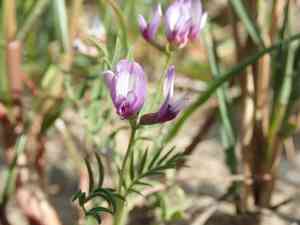
Alkali milkvetch, a member of the Fabaceae family, frequently thrives in salty or basic soil conditions. To propagate this plant, choose to sow scarified seeds to encourage sprouting. Provide a growing medium with good drainage and apply water sparingly. It is best to cultivate this species in exposed locations that receive ample sunlight to optimize its development. Consult botanical references for further details.
Optimal Time for Alkali Milkvetch Propagation
Propagation Method
Seeding
Propagation Period
Spring
Tools for Alkali Milkvetch Propagation
Seed Tray/Propagation Tray
A seed or propagation tray offers a controlled setting for planting seeds. For alkali milkvetch, a sturdy tray with sufficient depth ensures proper root growth and drainage.
Seed Starter Mix
Seed starter mix provides a sterile, well-draining medium vital for germination. A quality mix supports delicate alkali milkvetch seedlings by retaining moisture and preventing fungal issues.
Humidity Dome
A humidity dome maintains high moisture levels, essential for alkali milkvetch germination. It helps retain moisture and creates a warm microenvironment, promoting faster, more uniform sprouting.
Heat Mat
A heat mat provides consistent bottom warmth, crucial for alkali milkvetch seeds to germinate, as some seeds need heat to break dormancy and sprout more effectively.
Spray Bottle
A spray bottle is useful for keeping soil moist without dislodging seeds or young seedlings. Gentle misting ensures alkali milkvetch seeds have the necessary moisture for germination without waterlogging.
Labeling Stakes
Labeling stakes help track different plantings, ensuring alkali milkvetch seeds are properly identified and monitored throughout the propagation process.
Fine Sand
Fine sand can be mixed with seeds to aid in even distribution. For alkali milkvetch, this tool helps spread the small seeds more uniformly across the propagation medium.
How to Propagate Alkali Milkvetch?
Propagation Type
Simple
Caring for Your Newly Propagated Alkali Milkvetch
Caring for Your Newly Propagated Alkali Milkvetch
After transplanting, continue with regular, moderate watering, allowing the soil to dry slightly between waterings. Fertilize lightly with a balanced, water-soluble fertilizer monthly. Monitor for pests and diseases, removing affected parts promptly to prevent spread. Mulch around the plant bases to retain moisture and suppress weeds, ensuring mulch does not touch the stems.
Common Mistakes to Avoid When Propagating Alkali Milkvetch
Incorrect Soil Choice
Using soil that is too dense or poorly draining can hinder root development and lead to root rot, significantly reducing successful propagation.
Overwatering
Excessive water can cause seeds or cuttings to rot before they can establish themselves.
Insufficient Light
Providing inadequate sunlight can stunt growth and result in weak, leggy plants more prone to diseases.
Not Stratifying Seeds
Failing to stratify seeds can lead to poor germination rates, as they may require a cold treatment period to break dormancy.
Inadequate Spacing
Planting seeds or cuttings too close together can lead to competition for resources, ultimately impeding growth.
Tips For Propagating Alkali Milkvetch
Use Well-Draining Soil
Ensure the soil is loose and drains well to promote healthy root development and prevent waterlogged conditions.
Maintain Moderate Watering
Keep the soil consistently moist but not saturated, ensuring roots have access to water without standing in it.
Provide Adequate Light
Place plants in a location where they will receive full to partial sunlight, which is crucial for their growth and development.
Stratify Seeds
Stratify seeds by exposing them to a period of cold treatment, which can be done by refrigerating them for a few weeks to improve germination rates.
Ensure Proper Spacing
Plant seeds or cuttings with sufficient space between them to allow for adequate airflow and reduce resource competition, promoting healthier growth.



