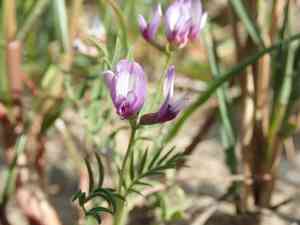
Alkali milkvetch (Astragalus tener)
Also known as: Ferris' milkvetch
Alkali milkvetch is a hardy perennial herb characterized by its thin stems and feathery, pinnate leaves. It thrives in wild, dry, saline environments like desert flats and salt flats. The plant's pale yellow flowers bloom in clusters, showcasing its adaptation to arid conditions. Its deep roots help it access water and nutrients in challenging soils, making it well-suited to its native habitat.
In This Article
Attributes of Alkali milkvetch
Lifespan
Perennial
Plant Type
Herb
Plant Height
10-50 cm (4-20 inches)
Spread
N/A (Sprawling growth habit)
Leaf Color
Green
Flower Size
0.5-1 cm (0.2-0.4 inches)
Flower Color
Pale pink to purple
Images of Alkali milkvetch
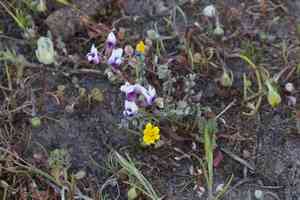
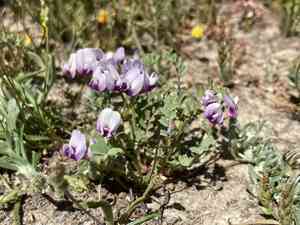
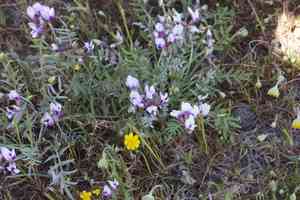
Quickly Identify Alkali milkvetch
1
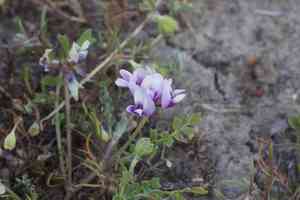
Tener\'s milkvetch can be identified by its slender, spreading stems, which can grow up to 50 cm in length. The plant has pinnate leaves with several small leaflets and bears clusters of pale pink to purple pea-like flowers. The seed pods are small, narrowly oblong, and slightly curved.
Scientific Classification of Alkali milkvetch
Phylum
Vascular plants
Class
Dicotyledons
Order
Fabales
Family
Legume
Genus
Milkvetch
Species
Alkali milkvetch
Planting and Growing of Alkali milkvetch
Care Difficulty
Moderate
Watering Schedule
Every 4 days
Sunlight Requirements
Full sun
Sunshine Duration
6-10 hours
Ideal Temperature
60-75℉
Soil Type
Potting Mix, Peat Mix
Soil pH
6.5-7.5
Fertilizer Type
Balanced
Pruning Season
Spring, Summer
Pruning Area
Branches, Leaves
Pruning Frequency
2 times a year
Repotting Season
Spring
Pot Type
Plastic, Ceramic
 How to Water Alkali milkvetch?
The plant Astragalus tener requires moderately moist soil. This means watering should be thorough but not excessive. Aim for 250 ml per session, allowing the water to drain freely and ensuring the soil is consistently moist without becoming waterlogged.
What are the symptoms of an underwatered Alkali milkvetch?
›
What should I do if my Alkali milkvetch is not getting enough water?
›
What are the symptoms of an overwatered Alkali milkvetch?
›
How to save an overwatered Alkali milkvetch?
›
 What Are the Sunlight Requirements for Alkali milkvetch?
Astragalus tener flourishes with full to partial sun exposure. Ideal light promotes photosynthesis, improves plant vigor, and enhances natural defenses against pests and diseases.
What is the ideal lighting environment for Astragalus tener?
›
How can I ensure Astragalus tener receives ideal light?
›
What benefits does ideal lighting provide to Astragalus tener?
›
 What Is the Ideal Temperature Range for Alkali milkvetch?
For optimal growth, Astragalus tener thrives best in temperatures that range between 60°F to 75°F. This range ensures that the plant's metabolic processes occur at a rate that promotes healthy growth and flowering. Maintaining such a temperature helps in maximizing nutrient absorption and photosynthetic activity.
 What Soil is Best for Alkali milkvetch?
Astragalus tener demands well-drained soil to thrive. Good drainage prevents root rot and promotes healthy root development, essential for nutrient absorption and plant vitality. This plant flourishes in nutrient-rich soils. Adequate organic matter enhances growth by supplying essential nutrients and supporting beneficial microorganisms vital for plant health. The soil should retain moisture yet remain aerated. This balance ensures roots have access to water while avoiding suffocation, crucial for sustained plant growth and resilience.
 How to Fertilize Alkali milkvetch?
Astragalus tener prefers a moderate amount of fertilizer. When using liquid fertilizer, dilute it to half the strength of what is recommended on the label. For granular fertilizers, apply about 1/4 cup around the base of the plant. These amounts help ensure that the plant gets enough nutrients without causing harm from excessive fertilizer application.
 How to Prune Alkali milkvetch?
Start by cutting away any dead or diseased branches. Look for any discolored or wilting stems and prune them down to the healthy tissue. Prune to shape the plant by shortening overly long shoots. This will help maintain a neat appearance and encourage balanced growth throughout the plant. Make each cut just above a node or leaf joint, angling the cut away from the bud. This encourages new growth in a desirable direction and minimizes water accumulation that can lead to rot.
More About Pruning Techniques→
 How to Propagate Alkali milkvetch plant?
1
Choose mature seeds from a reliable source. Inspect them for any signs of disease or damage. Seed quality greatly influences germination rates, so prioritize healthy and viable seeds.
2
Sow the seeds on the surface of the seed tray filled with potting mix. Lightly press them into the mix without covering them too deeply, as they need light exposure for optimal germination.
3
Cover the seed tray with a transparent lid or plastic wrap to maintain humidity and warmth. Place the tray in a location with gentle, indirect sunlight to ensure seeds receive warmth without direct exposure.
 How to Repot Alkali milkvetch plant?
1
Repotting Astragalus tener is best done when the plant shows signs of being root-bound or when its growth has noticeably slowed down. Observing root overgrowth through the drainage holes is a clear signal. Aim for repotting in early spring when the plant is emerging from its dormant period and is ready for new growth.
2
Select a pot that is 1-2 inches larger in diameter than the current one. The pot must have adequate drainage holes to prevent waterlogging, as this plant prefers dry conditions. A breathable material like terracotta is ideal as it helps to wick excess moisture away, ensuring roots do not stay waterlogged.
3
Create a mix of sandy loam with some grit to enhance drainage. This type of soil replicates the plant's natural habitat and provides necessary aeration, preventing root rot while supporting the plant’s nutrient uptake. A well-aerated medium will encourage healthier root development and vigorous top growth.



