How to Propagate Laxmann's milkvetch?
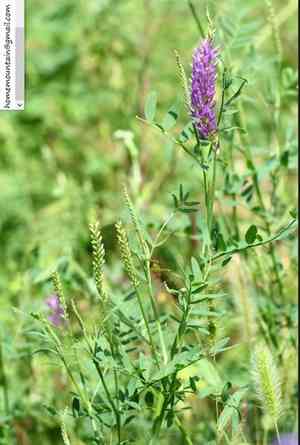
For propagating laxmann's milkvetch, utilizing newly harvested seeds is the most efficient approach. Initiate the process by scarifying the seeds to stimulate sprouting, either through gentle abrasion of their outer layer or by steeping them in tepid water for a full day. Plant the treated seeds in soil that drains effectively, making sure they get sufficient hydration without becoming oversaturated. A warm setting contributes to quicker sprouting. After the young plants have developed, relocate them to a bright spot with soil that drains properly.
Optimal Period for Propagating Laxmann's Milkvetch
Propagation Method
Seeding
Propagation Period
Spring
Equipment Utilized in Laxmann's Milkvetch Propagation
Seed Trays
Seed trays offer a regulated setting for planting laxmann's milkvetch seeds. They enable proper spacing and simplify the observation of seedling growth.
Sterile Potting Soil
A vital substrate for planting, sterile potting soil guarantees that laxmann's milkvetch seeds are free from disease-causing agents and get the best start. It supports robust root growth and prevents illnesses.
Humidity Domes
Humidity domes assist in sustaining high moisture and warmth levels around laxmann's milkvetch seeds, which is crucial for sprouting. They also shield seedlings from drafts and temperature shifts.
Seedling Heat Mat
A seedling heat mat delivers consistent warmth to the base of the seed trays. This benefits the germination of laxmann's milkvetch seeds, especially if indoor conditions are cooler than ideal.
Labeling Stakes
Precise labeling with stakes ensures that various plantings of laxmann's milkvetch are correctly identified. This aids in tracking growth progress and observing specific conditions required for different seed batches.
Mist Sprayer
A mist sprayer provides fine water mists to the soil's surface, keeping laxmann's milkvetch seeds and seedlings sufficiently damp without disturbing them, which is essential for successful germination.
Fine Sieves
Finely sieved soil ensures an even and smooth surface for sowing laxmann's milkvetch seeds. It also provides superior seed-to-soil contact, which is important for germination.
Seed Dibbers
Dibbers are employed to create small, uniform holes for planting laxmann's milkvetch seeds at the correct depth, ensuring even distribution and consistent growth patterns.
Sanitized Pruners
Sanitized pruners help in removing any damaged or diseased parts from laxmann's milkvetch seedlings without introducing pathogens. Healthy pruning promotes vigorous growth and development.
Light Source
A dedicated grow light supplies the necessary light spectrum and intensity for laxmann's milkvetch seedlings if natural light is insufficient. This ensures robust growth and prevents etiolation.
How to Propagate Laxmann's Milkvetch?
Propagation Type
Simple
Caring for Your Newly Propagated Laxmann's Milkvetch
Caring for Your Newly Propagated Laxmann's Milkvetch
Following germination and as seedlings develop, gradually introduce them to outdoor conditions by placing them outside for a few hours daily, increasing exposure time each day. Once the seedlings are robust enough and display several true leaves, transplant them to a well-draining garden bed in a sunny spot. Water the young plants regularly, ensuring the soil remains moist but not waterlogged. Apply a balanced, slow-release fertilizer during the early growth stages to support healthy development. Monitor for pests and diseases, and remove any weeds that may compete with laxmann's milkvetch for nutrients. With proper care, the plants should establish well and thrive in their new environment.
Common Errors to Avoid When Propagating Laxmann's Milkvetch
Underwatering
Failure to provide adequate water can result in poor root development and weak growth, negatively impacting laxmann's milkvetch's chances of successful propagation.
Overwatering
Excessive watering can lead to root rot, damaging the roots and making it difficult for laxmann's milkvetch to absorb nutrients effectively.
Improper Soil Selection
Using soil that lacks good drainage can cause water to accumulate around the roots, leading to root rot and fungal infections.
Lack of Stratification
Not providing the necessary cold stratification before sowing the seeds can result in low germination rates, as laxmann's milkvetch requires cold treatment to break dormancy.
Shallow Planting
Planting seeds too shallowly or too deeply can prevent successful germination. The seeds need to be sown at the correct depth for optimal growth.
Advice for Propagating Laxmann's Milkvetch
Adequate Watering
Ensure a balanced watering regimen; the soil should be moist but not waterlogged. Consistency is key to healthy root development.
Well-Draining Soil
Use well-draining soil mix to prevent water accumulation and root rot. Sand or perlite can be added to improve drainage.
Cold Stratification
Before sowing, perform cold stratification by placing the seeds in a moist medium within a refrigerator for several weeks. This helps break seed dormancy and promotes successful germination.
Correct Planting Depth
Sow the seeds at a depth of about 0.5 to 1 cm. Cover lightly with soil and ensure that the seeds are adequately covered but not buried too deep.



