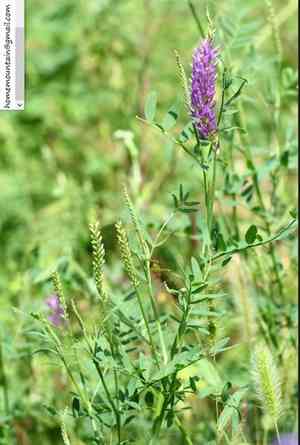
Laxmann's milkvetch (Astragalus laxmannii)
Also known as: Standing milkvetch
Laxmann's milkvetch is a long-lived herbaceous plant that thrives in dry, sunlit habitats. It has compound leaves made up of several small leaflets and displays clusters of yellow to pale yellow flowers. These flowers are loosely grouped in elongated inflorescences, a distinctive trait of the species. The plant is well-suited for survival in nutrient-poor, well-drained soils and typically develops a deep root system to manage water scarcity.
In This Article
Attributes of Laxmann's milkvetch
Lifespan
Perennial
Plant Type
Herb
Plant Height
20-60 cm
Spread
Not specifically applicable
Leaf Color
Green
Flower Size
0.5-1 cm
Flower Color
Pale yellow or cream
Images of Laxmann's milkvetch
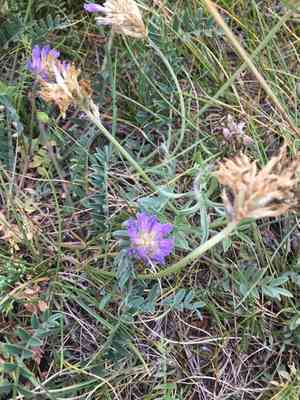
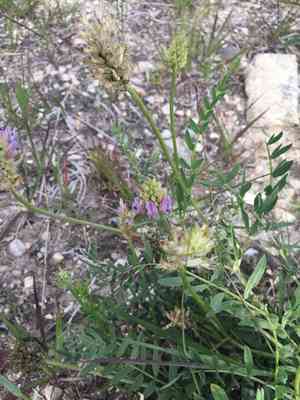
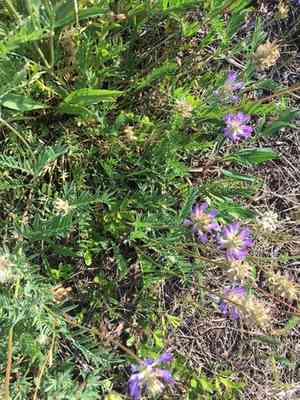
Quickly Identify Laxmann's milkvetch
1
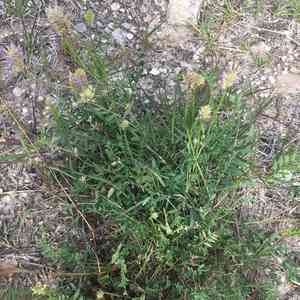
Astragalus laxmannii can be identified by its pinnate leaves with multiple leaflets, small clusters of pale yellow or cream flowers, and hairy seed pods.
Scientific Classification of Laxmann's milkvetch
Phylum
Vascular plants
Class
Dicotyledons
Order
Fabales
Family
Legume
Genus
Milkvetch
Species
Laxmann's milkvetch
Planting and Growing of Laxmann's milkvetch
Care Difficulty
Moderate
Watering Schedule
Every 4 days
Sunlight Requirements
Partial sun
Sunshine Duration
6-10 hours
Ideal Temperature
65-75℉
Soil Type
Potting Mix, Peat Mix
Soil pH
6.5-7.5
Fertilizer Type
Balanced
Pruning Season
Spring, Summer
Pruning Area
Branches, Leaves
Pruning Frequency
2 times a year
Repotting Season
Spring
Pot Type
Plastic, Ceramic
 How to Water Laxmann's milkvetch?
Astragalus laxmannii requires a moderate watering schedule. It's crucial to ensure the soil remains slightly moist but not waterlogged. Watering with 500 ml each session generally suffices, depending on pot size and drainage. Make sure the top inch of the soil is dry before watering again to prevent root rot.
What are the symptoms of an underwatered Laxmann's milkvetch?
›
What should I do if my Laxmann's milkvetch is not getting enough water?
›
What are the symptoms of an overwatered Laxmann's milkvetch?
›
How to save an overwatered Laxmann's milkvetch?
›
 What Are the Sunlight Requirements for Laxmann's milkvetch?
Partial sun, around 3 to 6 hours daily, is ideal for Astragalus laxmannii. It ensures healthy foliage, ample blooming, and minimizes the risk of environmental stress from too much or too little light.
How much sunlight does Astragalus laxmannii need?
›
What are the solutions for achieving ideal light for this plant?
›
What benefits does the plant gain from ideal lighting?
›
 What Is the Ideal Temperature Range for Laxmann's milkvetch?
What is the ideal temperature range for Astragalus laxmannii? The ideal temperature range for Astragalus laxmannii is between 65-75 °F. Within this range, the plant can efficiently conduct photosynthesis and metabolic processes, promoting healthy growth and development. This temperature range mimics its natural habitat conditions, ensuring optimal growth.
 What Soil is Best for Laxmann's milkvetch?
Astragalus laxmannii thrives in well-drained soils that prevent waterlogging, which can cause root rot. Ensuring good drainage helps the plant to develop a strong root system and improve nutrient absorption, leading to healthier growth. This plant prefers soil that is moderately rich in organic matter without being too fertile, which may promote excessive foliage at the expense of flowering. Maintaining moderate soil fertility ensures balanced growth and promotes flowering. Astragalus laxmannii does well in soils with a pH ranging from neutral to slightly alkaline, between 6.5 and 7.5. This pH range is optimal for nutrient availability and efficient absorption by the plant roots.
 How to Fertilize Laxmann's milkvetch?
Astragalus laxmannii thrives with a balanced supply of nutrients. For liquid fertilizer, use a dilution rate of one-quarter of the standard concentration to avoid over-fertilizing the roots. Apply approximately 100-150 ml of this diluted solution per plant, ensuring even distribution across the base of the plant.
 How to Prune Laxmann's milkvetch?
Begin by removing any dead or damaged leaves and stems. This not only tidies up the plant but also prevents pest infestations and encourages the new growth of healthy foliage. Thin out overly dense areas of the plant to improve air circulation. Removing excess leaves and stems allows for better airflow, reducing the risk of mildew and promoting healthier conditions for growth. Trim back any overgrown branches to maintain the desired shape and size of the plant. Regular shaping helps manage the plant's expansion and ensures it fits well within your garden space.
More About Pruning Techniques→
 How to Propagate Laxmann's milkvetch plant?
1
Select healthy and viable seeds from a reputable supplier. Inspect the seeds for any signs of damage or disease, as it is crucial to start with good quality seeds to ensure successful propagation.
2
Fill the seed tray with a well-draining seed-starting mix. Level the surface and water lightly to provide a moist environment for seed germination. Ensure the tray has drainage holes to prevent waterlogging.
3
Place the seeds evenly across the surface of the soil, gently pressing them into the mix. Cover them lightly with a thin layer of soil and mist with water to keep the seeds moist but not soaked.
 How to Repot Laxmann's milkvetch plant?
1
Astragalus laxmannii should be repotted when you notice roots growing out of the drainage holes, slowed growth, or when the current pot becomes too small. These signals indicate the plant requires more space to thrive, and you should consider repotting before the plant becomes root-bound.
2
Select a pot that is 1-2 inches larger in diameter than the current pot and has adequate drainage holes. A slightly bigger pot allows the roots more space to grow, which helps in promoting healthier plant growth and prevents waterlogging, ensuring the roots stay healthy.
3
Opt for a well-draining sandy loam soil to mimic Astragalus laxmannii's natural habitat. This ensures that excess water drains away quickly, preventing root rot and allowing the roots to access oxygen efficiently, which is crucial for the plant's overall health and growth.
Toxicity
Ingestion
WARNING
The judgment on toxicity and danger is for reference only. We DO NOT GUARANTEE any accuracy of such judgment. Therefore, you SHALL NOT rely on such judgment. It is IMPORTANT TO SEEK PROFESSIONAL ADVICE in advance when necessary.
Learn More About Laxmann's milkvetch Diseases
Anthracnose
Bacterial Leaf Spot
Bacterial Wilt
Crown Gall
Cyst Nematode
Damping-off
Downy Mildew
Drought Stress
Fusarium Wilt
Gray Mold
Leaf Spot
Mosaic
Nutrient Deficiency
Nutrient Toxicity
Powdery Mildew
Root Rot
Root-knot Nematode
Rusts
Sooty Mold
Spider Mites
Temperature Stress
Thrips Damage
White Mold



