How to Propagate Brewer's angelica?
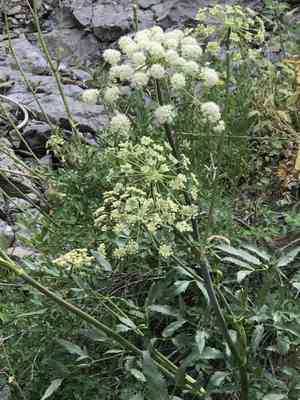
Brewer's angelica, a perennial herb belonging to the Apiaceae family, thrives in rocky terrains and inclines. Effective propagation entails planting seeds directly into soil that drains efficiently. If seeds have been collected, ensure they undergo stratification before shallow planting. Maintain consistent soil moisture until sprouting occurs. Choose a location offering partial shade to replicate its native environment.
When Is the Optimal Time to Propagate Brewer's Angelica?
Propagation Method
Seeding
Propagation Period
Spring
What Equipment Is Used in Brewer's Angelica Propagation?
Seed Trays
Seed trays are vital for initiating brewer's angelica from seeds. They offer a regulated environment for germination, ensuring seeds are not lost and have consistent soil coverage.
Seed Starting Mix
A premium seed starting mix is essential for brewer's angelica. This blend is typically light and drains well, fostering root development and preventing seedling damping-off.
Watering Can with Fine Rose
A watering can equipped with a fine rose is important for uniformly irrigating seeds without dislodging soil or seeds, ensuring consistent moisture levels for successful germination.
Propagation Mat
A propagation mat helps maintain a steady and warm temperature, which benefits the germination of brewer's angelica seeds, promoting quicker and more uniform sprouting.
Labeling Stakes
Labeling stakes are crucial for tracking brewer's angelica throughout the propagation process. Clearly marking seed trays can prevent confusion and ensure appropriate care.
Clear Plastic Dome
A clear plastic dome placed over seed trays aids in retaining humidity and warmth, creating a mini-greenhouse effect favorable for the germination of brewer's angelica.
Spray Bottle
A spray bottle enables gentle, fine mist watering, which is perfect for keeping the soil surface moist without overwatering the delicate seeds of brewer's angelica.
Tweezers
Tweezers can be useful for handling small seeds or seedlings of brewer's angelica, ensuring precise placement and minimizing the risk of damage.
Grow Lights
Grow lights supply necessary illumination for seedlings, especially in low-light conditions, ensuring that brewer's angelica receives adequate light for strong and healthy growth during early stages.
How to Propagate Brewer's Angelica?
Propagation Type
Simple
How to Care for Your Newly Propagated Brewer's Angelica?
How to Care for Your Newly Propagated Brewer's Angelica?
After propagating brewer's angelica, ensure plants are placed in an area with partial shade to full sun and well-draining soil. Water regularly to keep the soil moist, but avoid saturation. Mulching can help retain moisture and suppress weeds. Monitor for pests and diseases, addressing any issues promptly to ensure healthy growth.
Common Errors to Avoid When Propagating Brewer's Angelica
Overwatering
Excessive watering can lead to root rot, which impairs the plant's ability to absorb nutrients and can ultimately kill brewer's angelica. Maintaining appropriate soil moisture is vital.
Insufficient lighting
Providing inadequate light can result in weak, elongated growth and poor overall health. It is essential to ensure brewer's angelica receives sufficient sunlight.
Poor soil composition
Using soil that lacks proper drainage or is not nutrient-rich can hinder the growth and propagation success of brewer's angelica. The soil should be well-draining and rich in organic matter.
Incorrect planting depth
Planting brewer's angelica either too deep or too shallow can impede its growth. Ensuring proper planting depth is crucial for root establishment and development.
Tips For Propagating Brewer's Angelica
Correct watering
Ensure the soil remains consistently moist but not waterlogged. Proper watering aids in developing strong root systems without causing root rot.
Adequate lighting
Provide brewer's angelica with ample sunlight, ideally partial to full sun. Sufficient lighting supports vigorous growth and health.
Well-draining soil
Utilize soil that drains well and is enriched with organic matter to support healthy growth. Proper soil composition helps prevent waterlogging and supplies essential nutrients.
Proper planting depth
Plant brewer's angelica at the recommended depth to ensure good root establishment. This supports stable and robust growth.



