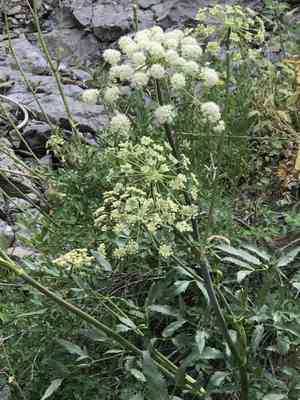
Brewer's angelica (Angelica breweri)
Also known as: Wild Parsnip, Brewer's Angelica
Brewer's angelica thrives in high-altitude mountain environments due to its hardy nature and unique adaptations. The plant features robust compound leaves and hollow stems, which support its survival in these challenging conditions. Its deep root system allows it to tap into nutrient reserves in less fertile soils and maintain stability against strong winds. Additionally, its small, cream-colored flowers form distinctive spherical clusters, enhancing its resilience and visual appeal in the wild.
In This Article
Attributes of Brewer's angelica
Lifespan
Perennial
Plant Type
Herb
Plant Height
60-100 cm
Spread
Not typically characterized by a crown diameter as it is an herbaceous plant.
Leaf Color
Green
Flower Size
Approximately 0.5-1 cm for individual flowers within the umbel.
Flower Color
White or greenish-white
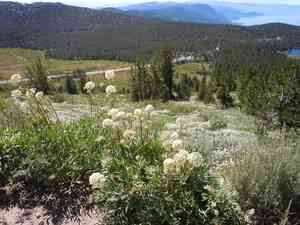
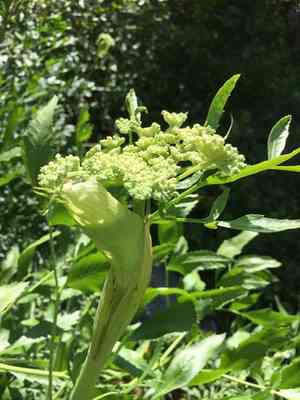
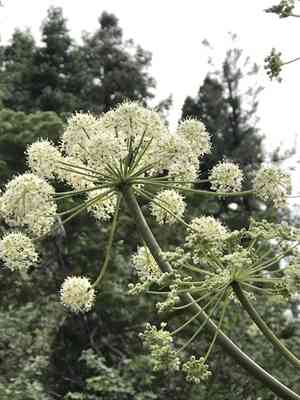
Images of Brewer's angelica
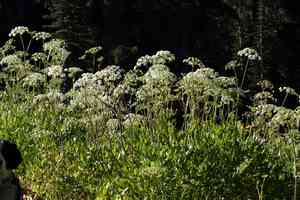
Quickly Identify Brewer's angelica
1
Angelica breweri can be identified by its large, hollow stem, compound leaves with multiple leaflets, and umbrella-like clusters of small white or greenish flowers.
Scientific Classification of Brewer's angelica
Phylum
Vascular plants
Class
Dicotyledons
Order
Apiales
Family
Umbellifers
Genus
Angelica
Species
Brewer's angelica
Planting and Growing of Brewer's angelica
Care Difficulty
Hard
Watering Schedule
Every 2 days
Sunlight Requirements
Partial sun
Sunshine Duration
4-8 hours
Ideal Temperature
60-75℉
Soil Type
Potting Mix, Peat Mix
Soil pH
6.5-7.5
Fertilizer Type
Balanced
Pruning Season
Spring, Summer
Pruning Area
Branches, Leaves
Pruning Frequency
2 times a year
Repotting Season
Spring
Pot Type
Plastic, Ceramic
 How to Water Brewer's angelica?
For Angelica breweri, each watering session should ensure that the soil is thoroughly moistened but not waterlogged, aiming for approximately 250 milliliters of water. The soil should be allowed to dry out slightly between waterings to mimic its natural high-altitude environment.
What are the symptoms of an underwatered Brewer's angelica?
›
What should I do if my Brewer's angelica is not getting enough water?
›
What are the symptoms of an overwatered Brewer's angelica?
›
How to save an overwatered Brewer's angelica?
›
 What Are the Sunlight Requirements for Brewer's angelica?
Angelica breweri prefers partial sun, receiving about 4 to 6 hours of indirect sunlight. This balance helps the plant avoid stress from extreme light levels while ensuring sufficient energy for growth.
What is the best light level?
›
How to achieve ideal lighting?
›
What benefits come from ideal lighting?
›
 What Is the Ideal Temperature Range for Brewer's angelica?
Angelica breweri thrives best in temperatures between 60°F and 75°F because this range mimics the plant's native habitat conditions. At these temperatures, the plant is able to efficiently perform photosynthesis, leading to optimal growth and development. Consistency within this temperature range also minimizes stress on the plant, allowing for uninterrupted metabolic activity and healthy foliage.
 What Soil is Best for Brewer's angelica?
Angelica breweri thrives best in well-draining soils. Proper drainage is crucial as it prevents water from stagnating around the roots, which can lead to root rot. This drainage ensures the plant receives adequate oxygen at the roots, supporting its robust growth. The plant prefers soils rich in organic matter. Incorporating compost or well-rotted manure enriches the soil's nutrients, promoting healthier foliage and more vigorous growth. It also aids in moisture retention without waterlogging. Angelica breweri requires consistent moisture, though the soil should not be soggy. Maintaining moderate moisture levels supports the plant’s uptake of essential nutrients and helps sustain its growth during dry spells.
 How to Fertilize Brewer's angelica?
For Angelica breweri, it's essential to keep a balanced approach to fertilization. Typically, a liquid fertilizer should be diluted to half its strength before application, ensuring it neither overwhelms nor undernourishes the plant.
 How to Prune Brewer's angelica?
Begin by removing any dead or damaged stems to keep the plant healthy. Identify and trim back any overly long stems to promote bushier growth. Be sure to make your cuts at a 45-degree angle to facilitate water runoff and aid in healing. Aim to open the center of the plant by removing some of the crowded inner stems, allowing for better air circulation and sunlight penetration. After the flowers have faded, remove them by cutting back to a pair of leaves. This deadheading process encourages Angelica breweri to focus energy on new growth and future blooms. Regular deadheading ensures the plant remains attractive throughout the growing season.
More About Pruning Techniques→
 How to Propagate Brewer's angelica plant?
1
Fill seed trays with a quality starting mix and evenly sow Angelica breweri seeds. Cover lightly with soil and maintain consistent moisture until germination, which can take up to 2-3 weeks.
2
In early spring, carefully dig up the Angelica breweri clumps and use a sharp knife to divide the root stock. Ensure each division has healthy roots and shoots for successful replanting.
3
Once seedlings are established and have several sets of leaves, transplant them carefully to avoid root damage. Ensure well-drained soil and adequate spacing to support growth.
 How to Repot Brewer's angelica plant?
1
Angelica breweri typically indicates it's time for repotting when its roots begin to outgrow the current container, often showing through the drainage holes, or when you notice a decline in plant vigor, such as stunted growth or yellowing leaves.
2
Choose a pot just one size larger than the current one, with good drainage holes. A slightly larger pot provides enough room for root expansion without overwhelming the plant, ensuring excess water doesn't lead to root rot while accommodating growth.
3
Use well-draining sandy loam soil to ensure optimal moisture balance. This type of soil minimizes water retention, reduces the risk of root rot, and provides essential nutrients, thus supporting healthy plant growth.
Learn More About Brewer's angelica Diseases
Anthracnose
Bacterial Leaf Spot
Bacterial Soft Rot
Bacterial Wilt
Chemical Injury
Crown Gall
Cyst Nematode
Damping-off
Downy Mildew
Drought Stress
Fusarium Wilt
Gray Mold
Leaf Spot
Mosaic
Nutrient Deficiency
Nutrient Toxicity
Powdery Mildew
Root Rot
Root-knot Nematode
Rusts
Sooty Mold
Spider Mites
Temperature Stress
Thrips Damage
White Mold



