How to Propagate Pygmyflower rockjasmine?
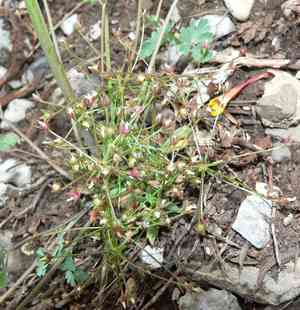
Pygmyflower rockjasmine flourishes when reproduced by seeding. For effective growth, utilize slightly damp, free-draining substrate and position the seeds superficially, as they need illumination to sprout. Locate the specimen in an environment that replicates its native mountainous setting, guaranteeing ample light and chilly conditions to foster vigorous development. Periodically inspect the growing medium's moisture level to sustain mild humidity without excessive watering.
Optimal Time for Pygmyflower Rockjasmine Propagation
Propagation Method
Seeding
Propagation Period
Spring
Tools for Pygmyflower Rockjasmine Propagation
Seed trays
Seed trays are essential for the initial planting phase of pygmyflower rockjasmine. They enable consistent sowing and simple management of numerous seeds within a confined area. Their compact design aids in maintaining steady soil moisture and temperature, vital for pygmyflower rockjasmine germination.
Fine-grain seed starting mix
A fine-grain seed starting mix offers the perfect texture and nutrient balance required for pygmyflower rockjasmine seed germination. Its fine consistency ensures good contact between seeds and soil, improving water absorption and lowering the risk of fungal diseases, which can be harmful during germination.
Spray bottle
A spray bottle is utilized to gently moisten the seed starting mix without disturbing the seeds. This is especially important for pygmyflower rockjasmine, as their small seed size could be easily dislodged by more forceful watering methods. Gentle misting helps maintain ideal moisture levels for seed germination.
Propagating Pygmyflower Rockjasmine
Propagation Type
Simple
Post-Propagation Care for Pygmyflower Rockjasmine
Post-Propagation Care for Pygmyflower Rockjasmine
After germination, thin out extra seedlings to avoid overcrowding. Continue to water the young pygmyflower rockjasmine plants regularly, allowing the soil to dry slightly between waterings. They prefer cool temperatures and partial shade, so avoid direct sunlight. Gradually acclimate the seedlings before transplanting them to their permanent spot where they can thrive in well-drained, rocky or sandy soil. Regular feeding with a balanced, diluted fertilizer during the growing season will promote strong growth.
Common Propagation Errors for Pygmyflower Rockjasmine
Overwatering
Excessive watering can cause root rot in pygmyflower rockjasmine, which specifically needs well-drained soil. Too much moisture in the soil deprives roots of essential oxygen, hindering growth and potentially killing the plant.
Deep planting
Planting pygmyflower rockjasmine seeds or cuttings too deeply can impede their ability to sprout or root. Surface sowing or shallow placement supports better germination and rooting due to the fine nature of the seeds and delicate root structures.
Neglecting light requirements
Placing pygmyflower rockjasmine in overly shaded areas during propagation can hinder its growth, as it thrives in bright but indirect light. Insufficient light impedes photosynthesis, crucial for the energy pygmyflower rockjasmine needs in its early stages.
Pygmyflower Rockjasmine Propagation Tips
Use well-draining substrate
Employing a well-draining substrate like a mix of perlite, sand, and peat helps prevent waterlogging, which is crucial for pygmyflower rockjasmine health. This mixture ensures that excess water drains effectively, providing the right moisture balance for root development.
Surface sowing
For seed propagation, surface sowing is effective for pygmyflower rockjasmine. The seeds need light to germinate, so they should be distributed on the soil surface and lightly pressed in, without covering them with soil.
Moderate humidity
Maintaining moderate humidity around pygmyflower rockjasmine during propagation supports optimal growth, without making conditions too damp. Using cloches or plastic covers can help regulate the environment, provided there is adequate ventilation to prevent condensation buildup.



