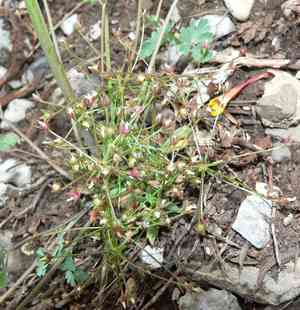
Pygmyflower rockjasmine (Androsace septentrionalis)
Also known as: Northern rock jasmine
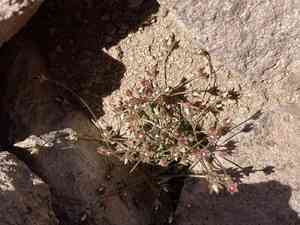
Pygmyflower rockjasmine (Androsace septentrionalis) is an annual herb that flourishes in full sunlight and favors sandy, rocky soils. It produces clusters of small white flowers on reddish, leafless stems from spring through summer. In addition, it bears small red fruits containing up to 20 seeds, which ripen from summer to fall.
In This Article
Attributes of Pygmyflower rockjasmine
Lifespan
Annual, Perennial, Biennial
Plant Type
Herb
Plant Height
0 mm to 30 cm
Spread
15 cm to 30 cm
Leaf Color
Green
Flower Size
2.5 cm
Flower Color
White
Images of Pygmyflower rockjasmine
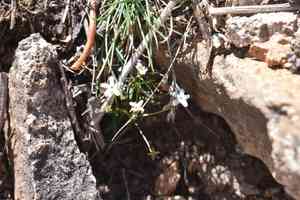
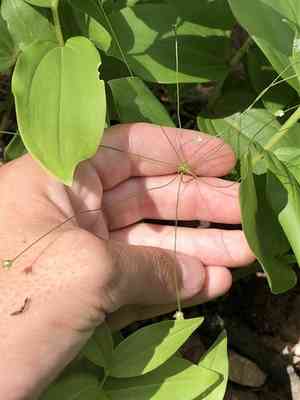
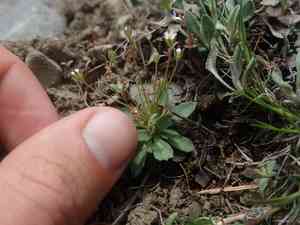
Quickly Identify Pygmyflower rockjasmine
1
Androsace septentrionalis can be identified by its small, star-like white flowers and rosette of basal leaves. The leaves are often hairy, and the stems are thin and can grow up to 30 cm tall. The flowers bloom in clusters on slender stalks.
Scientific Classification of Pygmyflower rockjasmine
Phylum
Vascular plants
Class
Dicotyledons
Order
Ericales
Family
Primrose
Genus
Rock jasmines
Species
Pygmyflower rockjasmine
Planting and Growing of Pygmyflower rockjasmine
Care Difficulty
Easy
Watering Schedule
Every 3 days
Sunlight Requirements
Partial sun
Sunshine Duration
4-8 hours
Ideal Temperature
50-68℉
Soil Type
Potting Mix, Peat Mix
Soil pH
6.5-7.5
Fertilizer Type
Balanced
Pruning Season
Spring, Summer
Pruning Area
Branches, Leaves
Pruning Frequency
2 times a year
Repotting Season
Spring
Pot Type
Plastic, Ceramic
 How to Water Pygmyflower rockjasmine?
Water Androsace septentrionalis with approximately 50 ml per watering. Ensure the soil is moist but not waterlogged; the goal is to provide enough moisture for healthy growth without suffocating the roots. Adjust as needed according to the climate and pot size.
What are the symptoms of an underwatered Pygmyflower rockjasmine?
›
What should I do if my Pygmyflower rockjasmine is not getting enough water?
›
What are the symptoms of an overwatered Pygmyflower rockjasmine?
›
How to save an overwatered Pygmyflower rockjasmine?
›
 What Are the Sunlight Requirements for Pygmyflower rockjasmine?
Partial sun suits Androsace septentrionalis perfectly, where it receives around 3 to 6 hours of gentle sunshine. Ideal light ensures healthy growth, vibrant foliage, and resistance to stress and environmental challenges.
More About Sunlight Requirements Techniques→
Ideal light intensity
›
Position adjustment
›
Protected environment
›
 What Is the Ideal Temperature Range for Pygmyflower rockjasmine?
The ideal temperature range for growing Androsace septentrionalis is between 50°F to 68°F. This range provides optimal conditions for the plant's growth and photosynthesis, ensuring that it can effectively produce energy and grow robustly. Maintaining consistency within this range ensures less stress on the plant and promotes lush foliage.
 What Soil is Best for Pygmyflower rockjasmine?
Androsace septentrionalis thrives in well-drained soil, which helps prevent root rot and ensures the plant receives necessary oxygen. This condition mimics its natural, rocky outcrop habitats. The plant prefers soil with moderate fertility, providing it with essential nutrients without overwhelming its delicate system. This balance supports healthy growth and flowering. With a preference for slightly alkaline soil, Androsace septentrionalis benefits from the balanced pH, which facilitates nutrient uptake and ward off potential diseases.
 How to Fertilize Pygmyflower rockjasmine?
For Androsace septentrionalis, use a balanced water-soluble fertilizer with an N-P-K ratio of 10-10-10. Apply at a rate of 1/2 teaspoon per gallon of water when using liquid fertilizer. Be sure not to overfertilize, as this can damage the plant.
 How to Prune Pygmyflower rockjasmine?
Examine the plant closely to identify stems that are overextended or intruding into other areas. Trim these back to just above a healthy bud or junction to promote bushier growth. While pruning is beneficial, taking too much off at once can stress the plant. Limit the pruning to no more than one-third of the plant’s total volume at a time to maintain a robust growth pattern.
More About Pruning Techniques→
 How to Propagate Pygmyflower rockjasmine plant?
1
To begin with, prepare a fine, well-draining potting mix by combining equal parts sand, peat moss, and vermiculite. Place the mixture into a seed tray, ensuring it is evenly distributed, and lightly moisten it before sowing the seeds.
2
Sprinkle the Androsace septentrionalis seeds evenly over the soil surface. To cover the seeds, use a thin layer of the potting mix—just enough to keep them in place but not too deep that light can't reach them, as some light exposure can aid germination.
3
Position the seed tray in a location that receives adequate indirect sunlight. Maintain a consistent temperature of around 15°C (59°F). Keep the soil consistently moist but not waterlogged by misting it regularly instead of heavy watering.
 How to Repot Pygmyflower rockjasmine plant?
1
Repotting Androsace septentrionalis requires keen observation. Look for roots growing out of the drainage holes or if the plant becomes top-heavy and unstable. Spring and autumn are ideal seasons, as the plant is less stressed during these temperate periods.
2
For Androsace septentrionalis, select a pot that's slightly larger than the current one, with good drainage holes. A pot that's too large can hold excess moisture, leading to root rot. Terra cotta pots are ideal as they allow for better moisture regulation.
3
Opt for well-draining sandy soil to replicate its native alpine habitat. A mix of sand, peat moss, and perlite in equal parts works wonders. This type of soil prevents waterlogging, which Androsace septentrionalis is particularly sensitive to, thus avoiding root rot.



