How to Propagate Rio grande ragweed?
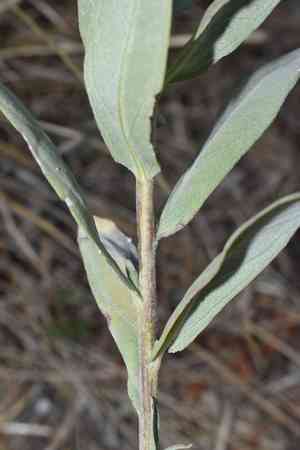
Parthenium hysterophorus, a species within the Asteraceae lineage, flourishes across diverse habitats. Effective propagation of Parthenium hysterophorus predominantly relies on seeding. Verify that seeds are planted in soil with good drainage and keep the moisture level consistent. Perseverance is crucial, as sprouting might require a period. Peak development is achieved with ample sunlight and soil pH ranging from mildly acidic to neutral. Confirm these procedures with regional gardening techniques to guarantee superior outcomes.
When Is the Optimal Time to Propagate Rio Grande Ragweed?
Propagation Method
Seeding
Propagation Period
Spring
What Equipment Is Used for Rio Grande Ragweed Propagation?
Seed Trays
Seed trays offer an organized and effective method for initiating seeds. For rio grande ragweed, these trays guarantee uniform distribution and ideal spacing for seedling development. The individual cells aid in managing water distribution and preventing waterlogging.
Fine Potting Mix
A fine potting mix helps create an appropriate germination environment for rio grande ragweed seeds. It ensures good air circulation, drainage, and moisture retention, which is crucial for seeds to sprout and establish strong root systems.
Humidity Dome
A humidity dome maintains consistent moisture levels, which is vital for the germination of rio grande ragweed seeds. It creates a miniature greenhouse effect, promoting quicker germination and early seedling development.
Heat Mat
A heat mat assists in keeping the soil at a steady warm temperature, essential for the germination of rio grande ragweed seeds. Consistent warmth encourages faster and more uniform seed sprouting.
Seed-Starting Fertilizer
A balanced seed-starting fertilizer supplies essential nutrients that rio grande ragweed seedlings require during their initial growth phases. It ensures robust and healthy development, leading to vigorous plants.
Spray Bottle
A spray bottle is utilized to gently water the rio grande ragweed seeds and seedlings without disturbing the soil or seed placement. It ensures that the seeds remain moist but not waterlogged, which is crucial for successful propagation.
Labels and Markers
Labels and markers assist in tracking rio grande ragweed seeds, ensuring that each variety is correctly identified. This is particularly important when performing multiple sowings with different plant species.
How to Propagate Rio Grande Ragweed?
Propagation Difficulty
Simple
How to Nurture Your Newly Propagated Rio Grande Ragweed?
How to Nurture Your Newly Propagated Rio Grande Ragweed?
Following successful propagation, continue to care for rio grande ragweed by providing consistent watering, allowing the soil to dry slightly between irrigation. Ensure the plants receive full to partial sunlight for optimal growth. Fertilize sparingly, as rio grande ragweed can thrive in less fertile soils. Regularly check for pests and diseases, and remove any competing weeds. Prune as necessary to encourage healthy growth and maintain a manageable size.
Common Errors to Avoid When Propagating Rio Grande Ragweed
Overwatering
Excessive moisture can lead to root rot and other fungal infections, hindering root development and overall plant vitality.
Using Poor Soil
Soil that lacks proper drainage or has insufficient nutrient content will impede the plant's ability to establish strong roots and absorb necessary nutrients.
Incorrect Light Levels
Providing too much or too little light can stress the plant, resulting in stunted growth or poor root formation.
Improper Cuttings
Taking cuttings that are either too old or too young can impact the success rate of root development. Mature and healthy cuttings are more likely to establish successfully.
Neglecting Humidity
Ignoring the requirement for adequate humidity can lead to desiccation of cuttings, preventing them from rooting properly.
Failing to Acclimate
Not gradually acclimating new cuttings to their environment can shock the plants, leading to poor adaptation and stunted growth.
Advice for Propagating Rio Grande Ragweed
Moderate Watering
Ensure the soil remains consistently moist but not waterlogged to support healthy root development and prevent decay.
Well-Draining Soil
Utilize a well-draining soil mix containing organic matter to provide sufficient nutrients and prevent water stagnation.
Adequate Light
Position cuttings in bright, indirect light to support photosynthesis and root growth without causing stress.
Healthy Cuttings
Select cuttings from robust, mature parts of the plant to increase the likelihood of successful rooting and growth.
Maintain Humidity
Cover cuttings with a plastic dome or use a humidifier to maintain a humid environment, reducing the risk of desiccation.
Gradual Acclimatization
Slowly acclimate cuttings to their growing environment by gradually increasing light levels and reducing humidity to ensure smooth adaptation.



