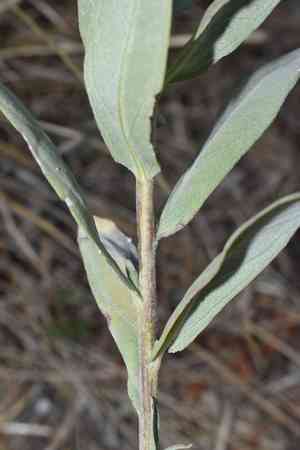
Rio grande ragweed (Ambrosia cheiranthifolia)
Also known as: Scentless False Mayweed, Ambrósia-de-mioca
Rio Grande ragweed (*Ambrosia psilostachya*) is a hardy perennial herb characterized by its deeply lobed, hairy leaves. It produces small, greenish flowers that form in elongated spikes. This plant is well-adapted to dry conditions and is often found in disturbed areas like roadsides, fields, and prairies. It typically grows 1 to 4 feet tall and prefers full sun and well-drained soils, though it can adapt to various soil types. The plant is drought-tolerant and spreads through seeds and rhizomes, making it potentially invasive.
In This Article
Attributes of Rio grande ragweed
Lifespan
Annual
Plant Type
Herb
Plant Height
10 to 50 cm
Spread
Not well defined as the plant tends to be more patch-forming.
Leaf Color
Grayish-green
Flower Size
2 to 5 mm
Flower Color
Greenish, yellowish
Images of Rio grande ragweed
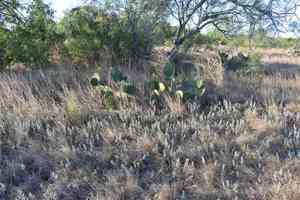
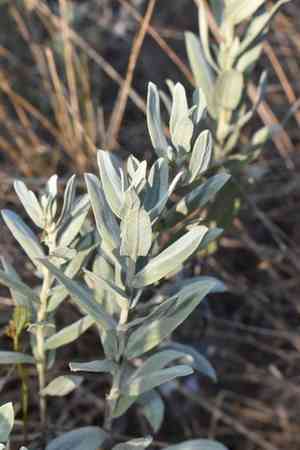
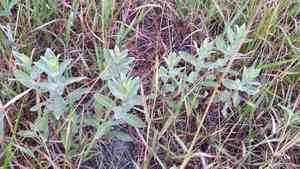
Quickly Identify Rio grande ragweed
1
Ambrosia cheiranthifolia can be identified by its deeply lobed leaves and clusters of small, inconspicuous flowers. The leaves often appear grayish-green due to fine hairs.
Scientific Classification of Rio grande ragweed
Phylum
Vascular plants
Class
Dicotyledons
Order
Asterales
Family
Daisy
Genus
ragweed
Species
Rio grande ragweed
Planting and Growing of Rio grande ragweed
Care Difficulty
Moderate
Watering Schedule
Every 4 days
Sunlight Requirements
Full sun
Sunshine Duration
6-10 hours
Ideal Temperature
60-75℉
Soil Type
Potting Mix, Peat Mix
Soil pH
6.5-7.5
Fertilizer Type
Balanced
Pruning Season
Spring, Summer
Pruning Area
Branches, Leaves
Pruning Frequency
2 times a year
Repotting Season
Spring
Pot Type
Plastic, Terracotta
 How to Water Rio grande ragweed?
Ambrosia cheiranthifolia prefers moderate watering. Each watering session should deliver 200 milliliters of water. Ensure the soil is moist but not soggy; allow the top one inch of soil to dry out between waterings.
What are the symptoms of an underwatered Rio grande ragweed?
›
What should I do if my Rio grande ragweed is not getting enough water?
›
What are the symptoms of an overwatered Rio grande ragweed?
›
How to save an overwatered Rio grande ragweed?
›
 What Are the Sunlight Requirements for Rio grande ragweed?
Full sun or partial sun exposure is ideal, ensuring the plant receives the right amount of light for optimal growth. This promotes vigorous foliage and maximizes blooming potential, ensuring thriving health and beauty.
Best Location
›
Seasonal Adjustments
›
Light Diffusion
›
 What Is the Ideal Temperature Range for Rio grande ragweed?
The ideal temperature range for Ambrosia cheiranthifolia is between 60°F and 75°F. This range supports optimal growth and photosynthesis while minimizing stress and potential damage due to environmental extremes.
 What Soil is Best for Rio grande ragweed?
Ambrosia cheiranthifolia thrives best in well-drained soils, as they allow for optimal root aeration and prevent waterlogging, which could otherwise lead to root rot and other diseases detrimental to the plant's health. A nutrient-rich soil is essential for robust growth and vibrant foliage. Regular amendments with organic matter can enhance soil fertility, providing essential nutrients that support vigorous plant development. Maintaining moderate moisture levels in the soil is crucial for Ambrosia cheiranthifolia. While it can tolerate some drought, consistent moisture helps to sustain growth and prevents stress that can lead to reduced vitality.
 How to Fertilize Rio grande ragweed?
For Ambrosia cheiranthifolia, use approximately 1/4 teaspoon of liquid fertilizer per gallon of water. For slow-release fertilizers, spread 1 tablespoon per square foot around the base. Be careful not to over-apply, as this can harm the plant.
 How to Prune Rio grande ragweed?
Begin by closely inspecting your Ambrosia cheiranthifolia. Identify any dead, diseased, or damaged branches that need removal. Look out for overcrowded areas that might hinder airflow and light penetration. When cutting branches, aim for an angle of about 45 degrees just above a bud or a node. This method promotes new growth and helps the plant heal more effectively, directing its energy to the remaining healthy parts. Suckers are shoots that emerge from the base of the plant. Prune these to focus the plant's energy on the main stems and branches, improving overall growth and maintaining an aesthetically pleasing shape.
More About Pruning Techniques→
 How to Propagate Rio grande ragweed plant?
1
Fill the seed tray with a seed-starting mix, leveling it without compressing to avoid compacting the soil and reducing aeration essential for seedling growth.
2
Evenly distribute the Ambrosia cheiranthifolia seeds on the surface, pressing them gently into the soil. They should be lightly covered with additional mix, ensuring they still receive some light.
3
Using a watering can with a fine rose, gently water the tray. Ensure consistent moisture without overwatering, which can lead to mold or rot.
 How to Repot Rio grande ragweed plant?
1
Ambrosia cheiranthifolia should be repotted when its roots start emerging from the drainage holes, indicating it's root-bound. Additionally, if the plant appears to be growing slower than usual or the soil is not retaining water effectively, these are clear signs that it is time to repot.
2
Choose a pot that is one size larger than the current one to allow space for root growth. Ensure it has sufficient drainage holes to prevent waterlogging. A terracotta pot is ideal because it allows the soil to breathe and helps prevent root rot by wicking away excess moisture.
3
Opt for loamy soil that is well-draining to prevent root rot. A mixture with perlite or sand is excellent as it improves soil aeration, allowing water to drain quickly while retaining enough moisture for healthy root development. This soil type also provides ample nutrients that contribute to vigorous plant growth.
Learn More About Rio grande ragweed Diseases
Anthracnose
Bacterial Leaf Spot
Bacterial Wilt
Chemical Injury
Damping-off
Downy Mildew
Drought Stress
Fusarium Wilt
Gray Mold
Leaf Curl
Leaf Spot
Mosaic
Nutrient Deficiency
Nutrient Toxicity
Powdery Mildew
Root Rot
Root-knot Nematode
Rusts
Sooty Mold
Spider Mites
Temperature Stress
Thrips Damage
White Mold



