How to Propagate Spleen amaranth?
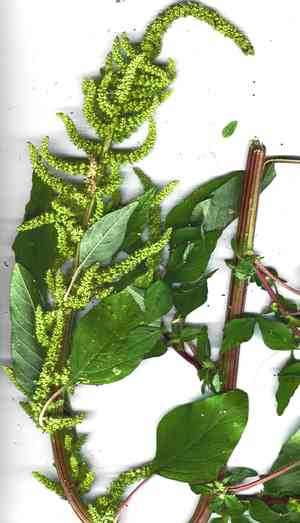
Spleen amaranth flourishes in adequately drained earth with abundant solar exposure, rendering it perfect for garden plots or pots. For reproduction, plant seeds directly into the ground, lightly covering them to guarantee contact. Irrigate regularly, yet prevent saturation. Sprouting generally happens within seven to fourteen days. To enhance development, thin out young plants to avert congestion, providing sufficient room for expansion. Periodically remove weeds and inspect for insects to sustain robust growth.
Optimal Period for Spleen Amaranth Propagation
Propagation Method
Seeding
Propagation Period
Spring
Tools Utilized in Spleen Amaranth Propagation
Seed Trays
These shallow containers hold soil and seeds, offering regulated environments for spleen amaranth seedlings. They ensure even seed distribution, fostering ideal conditions for sprouting and initial development.
Seedling Heat Mat
Positioned beneath seed trays, this mat delivers consistent warmth to the base, vital for spleen amaranth germination. It promotes quicker, more uniform sprouting, leading to vigorous growth.
Grow Lights
Artificial illumination, such as LED or fluorescent grow lights, is crucial when cultivating spleen amaranth indoors or in low-light settings. These lights supply the necessary spectrum and intensity for photosynthesis and healthy seedling growth.
Fine Mist Sprayer
A fine mist sprayer ensures delicate spleen amaranth seeds and seedlings receive sufficient moisture without being displaced by heavy watering. Consistent, gentle irrigation is key for maintaining soil hydration and encouraging robust root development.
Seed Starting Mix
A premium seed starting mix is essential for spleen amaranth propagation. This blend is typically light, sterile, and drains well, offering an ideal medium for seed germination and minimizing disease risk.
Humidity Dome
A humidity dome, placed over seed trays, helps retain moisture and create a warm atmosphere, which benefits spleen amaranth germination. This controlled environment reduces the need for frequent watering and ensures stable humidity levels.
Plant Labels
Plant labels are used to track various batches of spleen amaranth seeds. Proper labeling prevents confusion and allows for accurate monitoring of germination and growth stages.
Hand Trowel
A small hand trowel is useful for moving spleen amaranth seedlings from seed trays to larger containers or garden beds. Its precise design helps prevent damage to fragile roots during transplanting.
How to Propagate Spleen Amaranth?
Propagation Difficulty
Simple
Post-Propagation Care for Spleen Amaranth
Post-Propagation Care for Spleen Amaranth
After propagation, ensure spleen amaranth plants receive ample sunlight and regular watering to keep the soil moist but not waterlogged. Fertilize with a balanced, water-soluble feed every 2-3 weeks during the active growth period. Remove any weeds and check for pests to maintain plant health. Prune to encourage bushier growth if necessary.
Common Errors to Avoid When Propagating Spleen Amaranth
Excessive Watering
Providing too much water can lead to root rot and other fungal problems, hindering successful propagation and plant vitality.
Insufficient Light
Failure to provide adequate light results in weak, elongated seedlings that may not thrive.
Incorrect Soil Type
Using dense or poorly-draining soil can suffocate roots and impede growth.
Improper Sowing Depth
Planting seeds too deep or too shallow can prevent successful germination and establishment.
Neglecting Pest Control
Not monitoring for pests can lead to infestations that severely damage young plants.
Advice for Propagating Spleen Amaranth
Proper Watering
Water consistently but ensure the soil remains well-drained to prevent waterlogging and root diseases.
Adequate Light
Position the plant in a spot where it can receive abundant sunlight, ideally 6-8 hours of full sun daily.
Suitable Soil
Utilize a light, well-draining potting mix to provide optimal conditions for root development.
Correct Sowing Depth
Sow seeds at a shallow depth and lightly cover with soil to ensure proper germination.
Effective Pest Management
Regularly inspect for pests and employ appropriate organic or chemical control methods to safeguard young plants.



