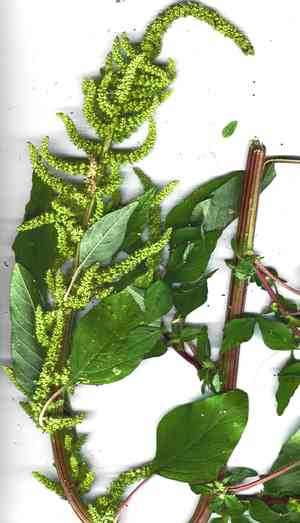
Spleen amaranth (Amaranthus dubius)
Also known as: Spleen Amaranth, Slender Amaranth
Amaranthus hybridus features a short taproot and can grow up to approximately 2.5 meters tall. The plant is either smooth or has very few hairs.
In This Article
Attributes of Spleen amaranth
Lifespan
Annual
Plant Type
Herb
Plant Height
40-100 cm
Spread
30-60 cm
Leaf Color
Green
Flower Size
Tiny, usually less than 0.5 cm
Flower Color
Green
Images of Spleen amaranth
Quickly Identify Spleen amaranth
1
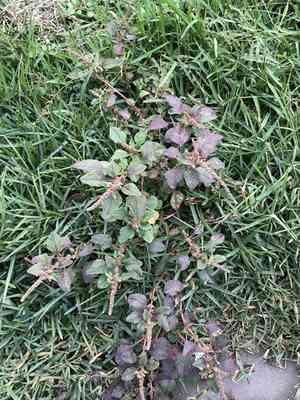
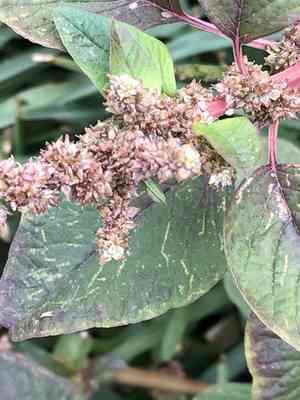
Amaranthus dubius can be identified by its upright, branched stems, broadly ovate leaves, and small greenish flowers clustered in dense spikes.
Scientific Classification of Spleen amaranth
Phylum
Vascular plants
Class
Dicotyledons
Order
Caryophyllales
Family
Amaranth
Genus
Amaranths
Species
Spleen amaranth
Planting and Growing of Spleen amaranth
Care Difficulty
Easy
Watering Schedule
Every 8 days
Sunlight Requirements
Full sun
Sunshine Duration
6-10 hours
Ideal Temperature
68-86℉
Soil Type
Potting Mix, Peat Mix
Soil pH
6.5-7.5
Fertilizer Type
Balanced
Pruning Season
Spring, Summer
Pruning Area
Branches, Leaves
Pruning Frequency
Once a year
Repotting Season
Spring
Pot Type
Plastic, Ceramic
 How to Water Spleen amaranth?
Amaranthus dubius thrives with moderate watering. It's crucial to ensure the soil is consistently moist, but not waterlogged. The ideal watering strategy is to provide about 500ml of water, ensuring it seeps down to the roots, thus promoting healthy growth without causing root rot.
What are the symptoms of an underwatered Spleen amaranth?
›
What should I do if my Spleen amaranth is not getting enough water?
›
What are the symptoms of an overwatered Spleen amaranth?
›
How to save an overwatered Spleen amaranth?
›
 What Are the Sunlight Requirements for Spleen amaranth?
Amaranthus dubius thrives with full to partial sun exposure, ideally 6 to 10 hours daily. Proper sunlight enhances nutrient synthesis, improves overall plant health, and promotes vibrant foliage vital for its culinary uses.
What is the best lighting condition for Amaranthus dubius?
›
How can I ensure my Amaranthus dubius gets ideal light?
›
What are the benefits of optimal light for Amaranthus dubius?
›
 What Is the Ideal Temperature Range for Spleen amaranth?
Amaranthus dubius thrives best within the temperature range of 68°F to 86°F. This range provides optimal conditions for growth, ensuring effective photosynthesis and metabolic activities. Staying within these temperatures will encourage robust foliage and overall plant health.
 What Soil is Best for Spleen amaranth?
Amaranthus dubius thrives best in soil rich in organic matter, which provides the essential nutrients for vigorous growth. This enhances leaf production, making the plant a lush and verdant addition to your garden. A well-draining soil is crucial to prevent waterlogging, which Amaranthus dubius is susceptible to. Adequate drainage facilitates healthy root development and prevents root rot, ensuring the plant's robust growth. While well-draining, the soil should still retain enough moisture to sustain the plant between waterings. This balance helps maintain consistent hydration, critical for the plant's thriving in warmer climates.
 How to Fertilize Spleen amaranth?
For Amaranthus dubius, it is recommended to use a balanced 10-10-10 NPK fertilizer. When using liquid fertilizer, apply at a rate of 1 tablespoon per gallon of water for liquid fertilizers. For slow-release fertilizers, use about 5 pounds per 100 square feet. Adjust these amounts based on soil fertility and plant response.
 How to Prune Spleen amaranth?
Start by inspecting the plant carefully. Remove any dead, damaged or diseased leaves and stems. This prevents the spread of any pathogens and improves the overall health of the plant. Trim back the ends of the branches to encourage more lateral growth, creating a fuller and bushier appearance. Make cuts just above a node where new leaves emerge to stimulate growth. Consistently prune out excess growth to maintain the desired size and shape of the plant. Remove longer stems to prevent the plant from toppling over, especially during the growing season.
More About Pruning Techniques→
 How to Propagate Spleen amaranth plant?
1
Choose high-quality seeds from a reputable source to ensure better germination rates and healthy plant growth. It is important to check the viability and freshness of the seeds before planting.
2
Fill a seed tray with quality potting soil, ensuring it is evenly spread and slightly moist. Avoid compacting the soil too much as it could hinder root development.
3
Sow the seeds evenly across the surface of the soil. Lightly cover them with a thin layer of soil or vermiculite, as exposure to air can affect germination rates.
 How to Repot Spleen amaranth plant?
1
Amaranthus dubius should be repotted when you notice its roots growing through the drainage holes, or if the plant shows stunted growth. Early spring or summer is ideal, as this aligns with the plant's growth cycle, providing it ample time to establish in fresh soil.
2
Select a pot that is one size larger than the current one, ensuring it has adequate drainage holes. This prevents waterlogging, allowing roots to breathe and encourages healthy growth by providing ample space for root expansion, which is essential for a thriving Amaranthus dubius.
3
Opt for a fertile, well-draining loamy soil. This type of soil supports robust growth by maintaining an optimal balance of moisture while preventing root rot, thus enabling nutrients to be readily available for the Amaranthus dubius's rapid growth cycle.
Toxicity
ingestion
WARNING
The judgment on toxicity and danger is for reference only. We DO NOT GUARANTEE any accuracy of such judgment. Therefore, you SHALL NOT rely on such judgment. It is IMPORTANT TO SEEK PROFESSIONAL ADVICE in advance when necessary.



