How to Propagate Three-awned goat grass?
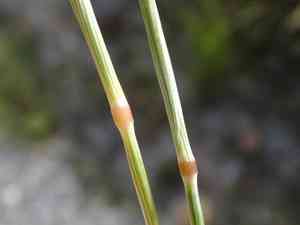
Three-awned goat grass flourishes when seeded. Provide soil with good drainage and adequate humidity for successful sprouting. Gently cover the seeds, refraining from burying them deeply. Early development needs little oversight, just consistent dampness. It prefers exposed, sunlit areas to encourage robust development. Due to its hardiness, three-awned goat grass adjusts readily to diverse environments, making it a flexible choice for various landscapes.
Optimal Time for Propagating Three-awned Goat Grass?
Propagation Method
Seeding
Propagation Period
Spring
Tools for Three-awned Goat Grass Propagation?
Seed Tray
A seed tray offers a controlled setting for planting three-awned goat grass seeds. It enables organized sowing, simple monitoring, and efficient space utilization, which is vital for managing numerous seedlings.
Seedling Heat Mat
This device ensures consistent soil warmth, encouraging quicker and more uniform germination of three-awned goat grass. Maintaining ideal heat is especially beneficial during the initial phases of seed propagation.
Fine-Mesh Sieve
A sieve aids in creating a thin layer of soil or sand over the seeds, ensuring good contact without burying the tiny seeds too deeply. For three-awned goat grass, this guarantees proper soil coverage, crucial for germination.
Spray Bottle
Utilizing a spray bottle delivers gentle and even moisture to the seeds without dislodging them. Three-awned goat grass seeds require consistent hydration without becoming waterlogged, and a spray bottle ensures these conditions.
Seed Starting Mix
A specialized seed starting mix provides the correct balance of nutrients and drainage necessary for propagating three-awned goat grass. This blend is typically sterile, reducing the risk of diseases that can harm young seedlings.
Label Markers
Tracking different seed varieties during propagation is essential. Label markers assist in identifying three-awned goat grass seedlings, ensuring proper care and minimizing confusion with other seedlings.
Row Marker
This implement is used to create uniform rows for sowing three-awned goat grass seeds. It ensures even spacing and depth, which are critical for the healthy development of seedlings.
Plastic Dome or Lid
A plastic dome or lid creates a miniature greenhouse effect, maintaining high humidity levels and protecting young three-awned goat grass seedlings from drying out too quickly. This helps establish a stable microenvironment for germination.
Hand Trowel
A hand trowel is vital for carefully moving three-awned goat grass seedlings from the seed tray to their permanent growing spot. It helps minimize root disturbance, ensuring healthier transplanting and better establishment.
How to Propagate Three-awned Goat Grass?
Propagation Difficulty
Simple
Caring for Newly Propagated Three-awned Goat Grass?
Caring for Newly Propagated Three-awned Goat Grass?
Once three-awned goat grass seedlings are established, continue providing moderate moisture, allowing the soil to dry somewhat between waterings. Ensure they receive full sun to partial shade. Thin out any crowded seedlings to prevent competition, and regularly check for pests or diseases. Mulch can be applied to retain soil moisture and suppress weeds. Fertilization is generally not required, but a balanced, diluted fertilizer can be used sparingly during the growing season if necessary.
Common Errors to Avoid When Propagating Three-awned Goat Grass
Excessive Watering
Overwatering can lead to root rot and fungal infections, which impede the establishment and growth of three-awned goat grass.
Poor soil drainage
Inadequate soil drainage results in waterlogged conditions that negatively affect root health and overall plant vigor.
Insufficient light
A lack of adequate sunlight can hinder growth and reduce the success rate of propagating three-awned goat grass.
Planting too deeply
Planting three-awned goat grass seeds too far down in the soil can prevent proper germination and seedling emergence.
Ignoring seed treatment
Failure to treat seeds for disease and pests can lead to poor seedling health and lower propagation success.
Tips For Propagating Three-awned Goat Grass
Use well-draining soil
Ensure the soil drains effectively to prevent waterlogging and encourage healthy root development.
Moderate watering
Water the plant moderately, allowing the soil to dry out between watering sessions to prevent root rot.
Adequate sunlight
Place three-awned goat grass in an area where it receives sufficient sunlight to support robust growth and successful propagation.
Shallow planting
Plant seeds at a shallow depth to ensure they can germinate and emerge effectively.
Seed treatment
Treat seeds with appropriate fungicides or insecticides before planting to protect seedlings from potential diseases and pests.



