How to Propagate Lemmon's catchfly?
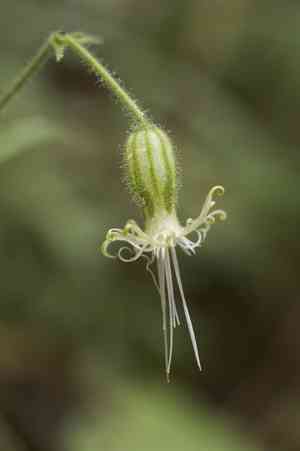
Silene lemmonii, a member of the Caryophyllaceae family, is recognized for its ornamental blossoms, which range from pink to white. To multiply this plant, scatter seeds in substrate that drains effectively, making sure to lightly cover them with soil. Keep the soil consistently damp, but prevent it from becoming saturated. Employing a cold frame can boost the success rate of germination. For accelerated outcomes, relocate juvenile plants after they have produced several mature leaves. This species thrives best in bright areas that can also tolerate some shade.
Optimal Period for Propagating Lemmon's Catchfly
Propagation Method
Seeding
Propagation Period
Spring
Tools Required for Lemmon's Catchfly Propagation
Seed Trays
Seed trays are vital for initiating lemmon's catchfly seeds. They offer a regulated setting for germination, ensuring uniform moisture distribution and simplifying the monitoring of seedling development. These trays are especially useful for tiny seeds, preventing them from being misplaced or overcrowded.
Sterilized Potting Mix
Employing a sterilized potting mix helps avert the spread of diseases and pests when propagating lemmon's catchfly. It supplies a nutrient-rich medium that supports seedling growth. Its sterility guarantees that pathogens do not harm the delicate seeds or seedlings.
Humidity Dome
A humidity dome sustains elevated humidity levels, which is critical for lemmon's catchfly seed germination. It stops the soil from drying out rapidly, providing a stable microclimate that promotes seedling growth. The dome can be vented to deter mold and ensure air circulation.
Seedling Heat Mat
A seedling heat mat delivers consistent warmth from below, which is advantageous for the germination of lemmon's catchfly. It can significantly boost the germination rate by maintaining an ideal temperature range, particularly in cooler environments.
Spray Bottle
A spray bottle is utilized to gently mist the soil surface without dislodging the small lemmon's catchfly seeds. It aids in maintaining consistent moisture levels, which are crucial for seed germination and initial seedling growth.
Plant Labels
Plant labels are important for tracking various seedling batches, especially when planting multiple varieties. They assist in identifying lemmon's catchfly among other plants, ensuring proper care and preventing confusion.
Fine Mesh Sieve
A fine mesh sieve is employed to cover lemmon's catchfly seeds with a thin layer of soil or sand, which is important for seed-to-soil contact without burying the seeds too deeply. This tool ensures even coverage and improved germination rates.
Light Source
A grow light ensures that lemmon's catchfly seedlings receive adequate illumination, particularly during early stages when natural light might be insufficient. It fosters healthy growth, strong stems, and prevents elongated seedlings.
Steps to Propagate Lemmon's Catchfly
Propagation Difficulty
Simple
Post-Propagation Care for Lemmon's Catchfly
Post-Propagation Care for Lemmon's Catchfly
Following germination, thin out the seedlings to prevent overcrowding. Gradually introduce them to outdoor conditions before transplanting into a garden bed or larger container. Ensure they receive full sun and maintain well-drained soil. Water moderately, but avoid soggy conditions. Periodically check for pests and diseases, and remove any competing weeds.
Common Errors to Avoid When Propagating Lemmon's Catchfly
Overwatering
Excessive moisture can lead to root rot and fungal infections, jeopardizing the health and development of lemmon's catchfly. It is vital to prevent waterlogged soil.
Incorrect Soil Type
Using dense, poorly draining soil can result in stunted root growth and increased vulnerability to diseases. Lemmon's catchfly thrives in well-draining, loose soil.
Insufficient Light
Lack of adequate light can lead to weak and spindly plants. Lemmon's catchfly requires sufficient sunlight to develop robust and healthy foliage.
Improper Cutting Technique
Taking cuttings incorrectly can result in poor rooting or complete failure. It is essential to use sharp, sterilized tools and appropriate methods.
Neglecting Humidity
Failing to maintain suitable humidity levels can impede rooting and growth. Lemmon's catchfly needs a humid environment during the initial stages of propagation.
Ignoring Pest Control
Overlooking pest management can lead to infestations that harm young plants. Regular inspection and control are necessary to keep pests at bay.
Advice for Propagating Lemmon's Catchfly
Utilize Well-Draining Soil
Choose a light, well-draining soil mix that mimics natural conditions. This helps prevent water stagnation and encourages healthy root development.
Adequate Watering
Water moderately, allowing the soil to dry out between waterings. This helps prevent root rot and supports the growth of healthy roots.
Provide Sufficient Light
Place the plant in an area with ample sunlight, ensuring it receives enough light to foster strong growth and healthy foliage.
Correct Cutting Technique
Use a sharp, sterilized knife to make clean cuts just below a node. Remove lower leaves to reduce moisture loss and dip the cutting in a rooting hormone to enhance root growth.
Maintain Humidity
Keep the cuttings in a humid environment by using a humidity dome or misting them regularly. This aids in the rooting process by preventing excessive moisture loss.
Monitor for Pests
Regularly check the plant and surrounding area for pests. Implement pest control measures promptly to prevent infestations and ensure the health of the propagating lemmon's catchfly.



