How to Propagate Rock redcurrant?
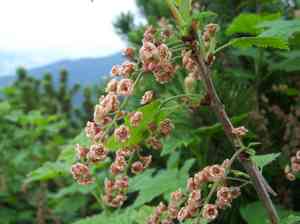
Ribes petraeum, a species within the Ribes genus, flourishes when reproduced via cuttings. Cultivators ought to choose robust, uninfected stem sections for optimal outcomes. Employing a rooting stimulant is essential, and the cuttings must be situated in adequately draining substrate, preserving dampness without saturation. Supplying diffused illumination aids in fostering root growth, establishing a strong network prior to relocation.
Optimal Period for Rock Redcurrant Propagation
Propagation Method
Cutting
Propagation Season
Autumn,Winter
Tools Required for Rock Redcurrant Propagation
Sharp pruning shears
Crucial for obtaining clean, precise cuttings from rock redcurrant, sharp pruning shears help minimize harm to the parent plant and ensure a viable cutting. Clean cuts prevent disease and boost rooting success.
Rooting hormone powder or gel
This product aids in stimulating root development from rock redcurrant cuttings, increasing the chances of successful establishment. The hormone promotes faster root growth, vital for cutting survival, especially in woody plants like rock redcurrant.
Sterilized containers
These are utilized for planting rock redcurrant cuttings under controlled conditions, preventing pathogen spread. Sterilization ensures young plants grow in a disease-free setting, essential for their health and development.
Perlite or vermiculite
Used as a component of the rooting medium, these materials offer excellent aeration and drainage, crucial for rock redcurrant root development. They help create an ideal moisture environment, critical for cuttings to form roots.
Misting bottle
Employed for gently watering cuttings, a misting bottle ensures rock redcurrant receives moisture without overwatering, which can cause root rot. Consistent misting helps maintain optimal humidity around cuttings, encouraging root growth.
Plastic covers or mini greenhouses
These tools are beneficial for maintaining high humidity around rock redcurrant cuttings, which is vital for encouraging root formation. The cover also helps moderate external temperature fluctuations.
How to Propagate Rock Redcurrant?
Propagation Type
Moderately Difficult
Caring for Your Newly Propagated Rock Redcurrant
Caring for Your Newly Propagated Rock Redcurrant?
Once roots are established, typically after a few weeks, gradually acclimate rock redcurrant to more natural growing conditions by progressively removing the humidity cover. After a robust root system develops, transplant rock redcurrant into a larger pot or a prepared garden spot with well-drained soil. Rock redcurrant thrives in partial shade with some protection from intense afternoon sun. Regular watering, especially during dry periods, and annual feeding with a balanced fertilizer will support healthy growth and fruit production.
Common Errors to Avoid When Propagating Rock Redcurrant
Incorrect cutting selection
Choosing weak or diseased cuttings can lead to poor root development and may result in unsuccessful propagation of rock redcurrant. Healthy cuttings are essential for optimal growth and development.
Overwatering cuttings
Excessive moisture can cause rock redcurrant cuttings to rot, particularly in a propagation environment. This compromises the cutting's health and reduces the likelihood of successful rooting.
Inadequate light conditions
Propagating rock redcurrant in insufficient light can impede its growth. Low light slows down photosynthesis, which is crucial for the energy and health of developing plants.
Tips For Propagating Rock Redcurrant
Use healthy and vigorous cuttings
Selecting robust and disease-free cuttings from rock redcurrant ensures a higher probability of successful root development and overall plant health.
Moderate watering
Maintaining balanced soil moisture is crucial. Ensure the soil is consistently moist but not waterlogged to encourage healthy root growth without risking root rot.
Provide sufficient indirect light
While direct sunlight might be too intense, providing bright, indirect light will support the photosynthesis necessary for the growth and development of rock redcurrant's cuttings.



