How to Propagate Rose and white buckwheat?
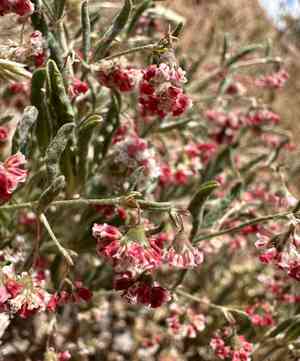
Pink and white buckwheat is a fragile perennial indigenous to California, flourishing in arid, sandy substrates with excellent drainage. For effective propagation, utilize a well-draining medium and lightly cover seeds to guarantee sufficient illumination. Sustain moderate hydration, preventing excessive watering. Steady warmth hastens sprouting, encouraging more rapid development. After seedlings emerge, they can be relocated to a permanent site receiving ample sunlight.
What Is the Best Time To Propagate Rose And White Buckwheat?
Propagation Type
Sowing
Propagation Season
Spring
What Tools Are Used in Rose And White Buckwheat Propagation?
Seed Tray
Seed trays are vital for germinating rose and white buckwheat seeds. They offer a controlled setting for sprouting and initial development, simplifying oversight and maintenance.
Humidity Dome
A humidity dome covers the seed tray, maintaining high moisture and stable warmth, essential for rose and white buckwheat seed germination.
Seed Starting Mix
A well-draining seed starting mix ensures proper air circulation and moisture retention, crucial for the healthy germination and growth of rose and white buckwheat.
Spray Bottle
A spray bottle aids in gently misting rose and white buckwheat seeds and young seedlings, providing sufficient moisture without disturbing the soil or delicate roots.
Grow Lights
Grow lights ensure rose and white buckwheat seedlings receive adequate illumination, fostering robust growth and preventing spindly, weak plants.
Labels and Markers
Labels and markers are important for tracking different seed batches, especially useful for identifying various stages of rose and white buckwheat's growth.
Heat Mat
A heat mat placed beneath the seed tray provides consistent bottom warmth, promoting faster and more uniform germination for rose and white buckwheat.
Pots or Cell Packs
Pots or cell packs are used for transplanting rose and white buckwheat seedlings once they have outgrown the seed tray, ensuring continued growth and development.
How to Propagate Rose And White Buckwheat?
Propagation Type
Easy
How to Care for Your Newly Propagated Rose And White Buckwheat?
How to Care for Your Newly Propagated Rose And White Buckwheat?
After sprouting, gradually introduce seedlings to direct sunlight by slowly increasing exposure over a week. Transplant seedlings to their permanent spot once large enough, ensuring well-draining soil and full to partial sun. Water young plants regularly, allowing soil to dry slightly between waterings to prevent root rot. Mulch around the base to retain moisture and suppress weeds. Monitor for pests and diseases, removing affected foliage promptly.
Common Mistakes to Avoid When Propagating Rose And White Buckwheat
Overwatering
Excessive watering can lead to root rot, which is harmful to rose and white buckwheat's well-being.
Poor Drainage
Inadequate drainage can cause roots to suffocate and diseases to develop in rose and white buckwheat.
Wrong Soil Mix
Using a dense or nutrient-rich soil mix can impede rose and white buckwheat's development and may result in poor propagation success.
Inadequate Light
Providing insufficient light can result in weak plants that are more susceptible to diseases and poor growth.
Improper Temperature
Exposing rose and white buckwheat to temperatures that are either too high or too low can stress the plant and affect its ability to propagate effectively.
Tips For Propagating Rose And White Buckwheat
Well-Draining Soil
Utilize a well-draining soil mix to prevent waterlogging and root rot, crucial for rose and white buckwheat's health.
Sufficient Light
Provide ample lightâpreferably full sunâto ensure strong and healthy growth of rose and white buckwheat.
Moderate Watering
Water sparingly and allow the soil to dry out between waterings to avoid issues related to overwatering.
Proper Temperature
Maintain a moderate temperature range that is neither excessively hot nor cold for optimal propagation of rose and white buckwheat.
Avoid Fertilizers Initially
Refrain from using fertilizers early in the propagation process to prevent nutrient burn or poor root establishment.



