How to Propagate Tuber anemone?
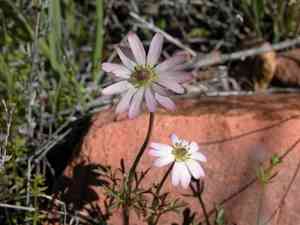
Tuber anemone flourishes when reproduced through seeding. Initiate the process by choosing a rich, well-draining substrate that boosts sprouting and development. Embed the seeds superficially, as illumination assists the germination phase. Ensure continuous dampness, yet prevent saturation to avert root decay. A warm setting fosters superior germination percentages. For peak outcomes, utilize new seeds, as they guarantee increased viability and vigorous plant growth.
When Is the Optimal Time to Propagate Tuber Anemone?
Propagation Method
Seeding
Propagation Period
Spring
What Equipment Is Used in Tuber Anemone Propagation?
Seed trays and starter pots
Seed trays and starter pots are vital for planting tuber anemone seeds. These containers offer the necessary enclosure and support for the initial phases of plant development. Their use helps maintain consistent soil conditions, crucial for the delicate germination stage of tuber anemone. The individual cells of seed trays also minimize root disturbance during later transplanting.
Fine-grained soil mix or seed starting mix
A fine-grain soil blend or specialized seed-starting medium promotes effective germination for tuber anemone seeds by ensuring proper air circulation and moisture retention. This type of substrate supports the delicate roots of young tuber anemone plants, encouraging healthy early development. The mix typically contains components like peat, vermiculite, and perlite, ideal for balancing nutrients and air.
Misting bottle
A misting bottle is essential for gently watering tuber anemone seeds. Direct water streams from larger watering tools can dislodge or bury small seeds. The misting bottle allows for controlled moisture application, helping keep the seed environment uniformly humid without waterlogging, which is critical for the germination phase of tuber anemone.
Heat mat (optional)
While not strictly required, a heat mat can improve germination success for tuber anemone seeds by providing consistent bottom warmth, especially in cooler settings. This device raises soil temperature, which can encourage faster germination, a significant advantage given the temperature sensitivity of germinating seeds.
How to Propagate Tuber Anemone?
Propagation Type
Simple
How to Care for Your Newly Propagated Tuber Anemone?
How to Care for Your Newly Propagated Tuber Anemone?
Post-germination, ensure young tuber anemone seedlings receive ample light but avoid direct, intense sun that could scorch them. Gradually accustom seedlings to outdoor conditions before moving them to their permanent spot. Water regularly to keep soil consistently moist, but prevent overwatering to avoid root rot. Once established, tuber anemone is relatively low-maintenance, thriving with occasional watering and minimal feeding. Mulching around plants helps retain soil moisture and reduce weed growth.
Common Errors to Avoid When Propagating Tuber Anemone
Overwatering
Propagating tuber anemone requires precise understanding of its moisture needs. Excessive watering can cause root rot and fungal diseases, reducing successful propagation as tuber anemone prefers well-drained soil.
Deep planting
When propagating tuber anemone via tubers, planting them too deeply can hinder sprouting. Insufficient light and air circulation at incorrect depths can impede their ability to sprout and establish.
Ignoring soil composition
Tuber anemone needs well-draining soil to flourish. Using heavy, clay-rich soil can retain too much water, suffocating the tubers and potentially leading to decay before they can grow.
Advice For Propagating Tuber Anemone
Correct depth placement
When planting tuber anemone tubers, ensure they are not placed more than 2-3 inches below the soil surface. This depth helps guarantee sufficient light exposure and easier shoot sprouting.
Use of well-draining soil
Prepare a potting mix with good drainage capacity to meet the needs of tuber anemone. Incorporating materials like perlite, vermiculite, or sand can enhance soil structure and drainage.
Regular monitoring
Keep an eye on soil moisture levels without overwatering. Water tuber anemone when the top inch of soil feels dry to the touch, ensuring tubers get enough water to grow but not so much that it causes waterlogging.



