How to Overwinter Arrowleaf ragwort
1
Arrowleaf ragwort tolerates cold and thrives in USDA hardiness zones 3-8.
2
Appropriate mulching aids in preserving soil moisture and shielding roots from freezing temperatures.
3
Periodically inspect for pests throughout winter, as certain types flourish in chilly environments.
Understanding the Frost Hardiness of Arrowleaf ragwort
Understanding the Frost Hardiness of Arrowleaf ragwort
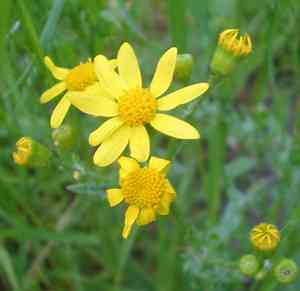
The Arrowleaf ragwort (Senecio triangularis) is known for its bright yellow blooms and tough nature. This resilient perennial can thrive in USDA hardiness zones 3-8, making it a strong contender for various climates. Knowing its frost tolerance is vital to ensure this beautiful plant flourishes through the colder months. Despite its robust character, some preventive actions are necessary to shield it from severe weather and guarantee vigorous regrowth in spring.
Preparing Arrowleaf ragwort for Winter
When to Start Preparing for Winter
Begin readying your Arrowleaf ragwort for winter as soon as temperatures begin to drop in late autumn. Observing local climate patterns can help you determine the optimal time to start. Typically, preparation commences when temperatures consistently fall below 10°C (50°F). Early preparation ensures the plant is well-prepared to handle the initial frost.
Pruning and Cleaning Up
Pruning is a crucial step in getting your Arrowleaf ragwort ready for winter. Remove any dead or damaged foliage to prevent disease spread and to give the plant a neat appearance. Cut back stems to approximately 15-20 cm (6-8 inches) above the ground, which can help protect the plant from harsh weather and encourage new growth in the spring.
Mulching and Ground Cover
Mulching is highly beneficial for Arrowleaf ragwort during winter. Apply a layer of organic mulch, such as shredded bark or straw, around the plant's base. Aim for a thickness of about 5-10 cm (2-4 inches). This mulch layer helps retain soil moisture, insulates roots from freezing temperatures, and prevents weed growth. It's a simple yet effective way to provide your plant with an extra layer of protection.
Ensuring Adequate Watering During Winter
Watering Schedule in Cold Months
While Arrowleaf ragwort needs less water in winter, it's important not to let the soil completely dry out. Water the plant every 3-4 weeks, ensuring the soil stays moist but not waterlogged. Using room-temperature water can help prevent shocking the plant's roots.
Preventing Overwatering
Excessive watering can be harmful to Arrowleaf ragwort, especially during the winter months. Always check the soil moisture level before watering. Ensure your plant is in well-draining soil to prevent water from accumulating around the roots and causing root rot.
Protecting Arrowleaf ragwort from Extreme Weather
Using Protective Covers
Protective covers, such as burlap or frost cloths, can shield your Arrowleaf ragwort from severe weather conditions, including heavy snow and freezing rain. Simply drape the cover over the plant during particularly harsh weather periods, and secure it with stakes or rocks to keep it in place.
Creating Windbreaks
Windbreaks are another effective method to protect your Arrowleaf ragwort from strong winter winds. Erecting barriers using garden screens or planting shrubs around your Arrowleaf ragwort can help lessen the impact of strong, cold winds, keeping your plant safe and secure.
Keeping Pests and Diseases in Check
Common Winter Pests for Arrowleaf ragwort
Some pests, like aphids and spider mites, can thrive in colder months and pose a threat to your Arrowleaf ragwort. Regularly inspecting your plant for signs of pest activity can help you detect problems early.
Preventive Measures
Applying neem oil or insecticidal soap can help keep pests away. Additionally, maintain cleanliness in your garden area by removing fallen leaves and debris that can harbor insects. Implementing these preventive measures will ensure your Arrowleaf ragwort remains healthy throughout winter.



