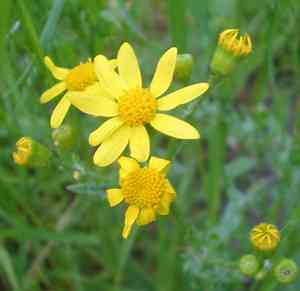
Arrowleaf ragwort (Senecio triangularis)
Also known as: Arrowleaf butterweed
**Spotted Touch-Me-Not** (*Impatiens capensis*) is a plant species that thrives in woodlands and along streams. It is widespread across temperate regions of North America. This species was identified in the 1930s by Scottish botanist Thomas Drummond.
In This Article
Attributes of Arrowleaf ragwort
Lifespan
Perennial
Plant Type
Herb
Plant Height
30 cm to 1.5 m
Spread
15 cm to 30 cm
Leaf Color
Green
Flower Size
2.5 cm
Flower Color
Yellow
Images of Arrowleaf ragwort
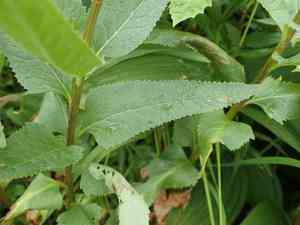
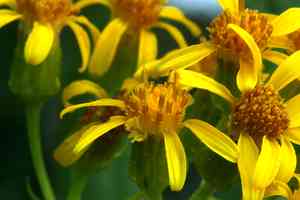
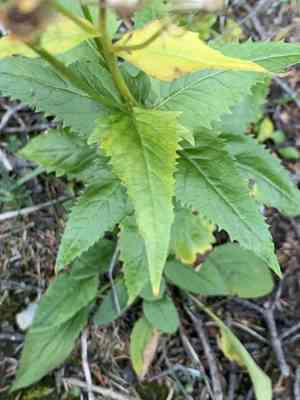
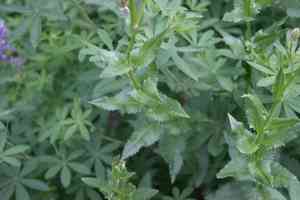
Quickly Identify Arrowleaf ragwort
1
To identify Senecio triangularis, look for triangular-shaped leaves with serrated edges and bright yellow composite flowers in clusters. The plant usually stands erect and can be found in moist, mountainous areas.
Scientific Classification of Arrowleaf ragwort
Phylum
Vascular plants
Class
Dicotyledons
Order
Asterales
Family
Daisy
Genus
Ragworts
Species
Arrowleaf ragwort
Planting and Growing of Arrowleaf ragwort
Care Difficulty
Easy
Watering Schedule
Every 8 days
Sunlight Requirements
Partial sun
Sunshine Duration
4-8 hours
Ideal Temperature
55-75℉
Soil Type
Potting Mix, Peat Mix
Soil pH
6-7.5
Fertilizer Type
Balanced
Pruning Season
Spring, Summer
Pruning Area
Branches, Leaves
Pruning Frequency
Once a year
Repotting Season
Spring
Pot Type
Plastic, Ceramic
 How to Water Arrowleaf ragwort?
Senecio triangularis prefers to have its soil evenly moist, but not waterlogged. You should water until the excess starts to drain from the bottom of the pot, ensuring about 250 milliliters of water. This amount helps maintain the right moisture without drowning the roots.
What are the symptoms of an underwatered Arrowleaf ragwort?
›
What should I do if my Arrowleaf ragwort is not getting enough water?
›
What are the symptoms of an overwatered Arrowleaf ragwort?
›
How to save an overwatered Arrowleaf ragwort?
›
 What Are the Sunlight Requirements for Arrowleaf ragwort?
Partial sun to full sun is preferred, ideally with 4 to 6 hours of sunlight daily. Adequate light supports robust growth, healthy foliage, and plentiful blooming, enhancing the plant's aesthetic and resilience.
More About Sunlight Requirements Techniques→
What is the ideal sunlight for Senecio triangularis?
›
How can I ensure my Senecio triangularis receives the ideal light?
›
What benefits does ideal lighting offer for Senecio triangularis?
›
 What Is the Ideal Temperature Range for Arrowleaf ragwort?
The ideal temperature range for growing Senecio triangularis is between 55°F and 75°F. This temperature range allows for optimal growth and physiological functioning, ensuring that the plant can maintain healthy metabolic processes and exhibit strong photosynthesis capability.
 What Soil is Best for Arrowleaf ragwort?
Senecio triangularis thrives in soil that is rich in nutrients, which supports its lush foliage and vibrant growth. Ensuring the soil contains ample organic matter like compost can significantly enhance its thriving ability. This plant prefers well-drained soil, which prevents waterlogging and root rot. Optimal drainage is crucial for promoting healthier roots and reducing the risk of fungal diseases. While drainage is important, the soil should also have the capacity to retain moisture, especially during dry spells, providing a consistent water supply necessary for the plant's vigor.
 How to Fertilize Arrowleaf ragwort?
When fertilizing Senecio triangularis, use a balanced formula, such as 10-10-10. For liquid fertilizers, apply at half the recommended strength. For granular fertilizers, distribute no more than one tablespoon per square foot to avoid over-fertilizing.
 How to Prune Arrowleaf ragwort?
Start with a careful inspection of the plant. Take note of any wilted, damaged, or overgrown parts that require attention. This initial assessment helps in planning the pruning process effectively. Senecio triangularis can become leggy if not pruned regularly. Trim back the elongated stems to maintain a bushy appearance. Use sharp scissors to make clean cuts just above a leaf node, which encourages fuller growth. Prune for shape by removing any awkward or errant stems that detract from the desired appearance. This ensures that your plant remains aesthetically pleasing and well-rounded, offering a beautiful display throughout the season.
 How to Propagate Arrowleaf ragwort plant?
1
Sow seeds in seed trays or pots filled with a well-draining seed starting mix. Lightly cover them with the mix and keep them moist. Ensure they have access to indirect sunlight for optimal germination.
2
Select healthy stems and cut 4-6 inch sections. Remove lower leaves and dip the cut end in rooting hormone. Plant in a potting mix with adequate drainage and keep moist until roots develop.
3
Gently dig up mature plants and carefully separate clumps into smaller sections. Ensure each section has roots and shoots. Replant immediately in nutrient-rich soil and water well.
 How to Repot Arrowleaf ragwort plant?
1
Senecio triangularis signals it's time for repotting when its roots start emerging from the drainage holes, or when growth appears stunted despite proper care. Spring and autumn are ideal as the plant enters active growth phases, allowing it to recover swiftly from transplantation stress.
2
Choose a pot one size larger than the current one with adequate drainage holes. This allows enough space for root growth without overwhelming the plant with excess soil, which can retain water and risk root rot. A terracotta pot can also help with moisture regulation.
3
Opt for a well-draining potting mix that mimics Senecio's natural habitat. A blend with perlite or sand ensures proper aeration and prevents waterlogging, promoting healthy root development and preventing common ailments such as root rot.
Toxicity
Ingestion
WARNING
The judgment on toxicity and danger is for reference only. We DO NOT GUARANTEE any accuracy of such judgment. Therefore, you SHALL NOT rely on such judgment. It is IMPORTANT TO SEEK PROFESSIONAL ADVICE in advance when necessary.
Learn More About Arrowleaf ragwort Diseases
Anthracnose
Bacterial Leaf Spot
Bacterial Soft Rot
Bacterial Wilt
Chemical Injury
Crown Gall
Cyst Nematode
Damping-off
Downy Mildew
Drought Stress
Fusarium Wilt
Gray Mold
Leaf Spot
Mosaic
Nutrient Deficiency
Nutrient Toxicity
Powdery Mildew
Root Rot
Root-knot Nematode
Rusts
Sooty Mold
Spider Mites
Temperature Stress
Thrips Damage
White Mold



