Enhancing Your Garden Design with the Arrowleaf ragwort Plant: A Landscaping Guide
1
Arrowleaf ragwort flourishes in soil that drains effectively and can endure some shade.
2
Integrating Arrowleaf ragwort with diverse companion flora can produce aesthetically pleasing garden arrangements.
3
Consistent upkeep, such as removing spent blooms, ensures Arrowleaf ragwort maintains its optimal appearance across all seasons.
Introducing Arrowleaf ragwort to Your Garden
What Makes Arrowleaf ragwort a Good Choice for Landscaping?
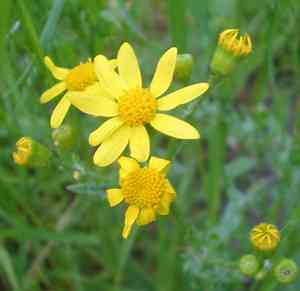
Selecting appropriate plants for your garden project is vital, and Arrowleaf ragwort stands out as an excellent option for several reasons. Firstly, Arrowleaf ragwort is known for its bright yellow blossoms that can liven up any garden area. Its distinct arrow-shaped leaves add an interesting texture, making it a visually appealing addition. Furthermore, Arrowleaf ragwort requires relatively little upkeep and is resilient, making it perfect for gardeners of all skill levels. Its adaptability to various soil types and tolerance to partial shade allow it to flourish in diverse garden environments. Importantly, Arrowleaf ragwort also attracts pollinators like bees and butterflies, contributing to a healthy garden ecosystem.
Ideal Locations for Arrowleaf ragwort in Your Landscape
Placing Arrowleaf ragwort in the correct spot within your garden is crucial for its development and aesthetic impact. Arrowleaf ragwort thrives in well-drained soil, so consider areas that do not retain excessive moisture. This plant can be a fantastic addition to borders, where its height and color can create striking displays. Additionally, incorporating Arrowleaf ragwort along pathways can enhance visual interest and guide visitors through the garden with its cheerful blooms. For a more naturalistic appearance, consider planting Arrowleaf ragwort in woodland gardens or spots that receive filtered sunlight. Its ability to flourish in these conditions and its attractive foliage make it a versatile choice for various garden styles.
Design Ideas Using Arrowleaf ragwort
Companion Plants That Pair Well with Arrowleaf ragwort
Creating a harmonious garden involves choosing plants that complement each other both visually and functionally. Arrowleaf ragwort pairs wonderfully with a variety of companion plants. For instance, combining Arrowleaf ragwort with other native wildflowers can create a meadow-like appearance that is both beautiful and beneficial for local wildlife. Tall grasses around Arrowleaf ragwort can add movement and contrast to the rigid structure of its leaves. Additionally, plants like Echinacea and Rudbeckia, which also bloom in vibrant colors, can enhance visual appeal and create a cohesive look. The key is to select plants that thrive in similar conditions, ensuring all elements of your garden flourish together.
Creating Color Contrast in Your Garden with Arrowleaf ragwort
Incorporating Arrowleaf ragwort into your garden design offers an excellent way to introduce bright, eye-catching color. To maximize the impact of Arrowleaf ragwort's vivid yellow flowers, consider planting it against a backdrop of plants with contrasting colors. For example, purple and blue flowering plants like Salvia or Lavender can provide a striking contrast, making Arrowleaf ragwort's yellow blooms stand out. Additionally, foliage plants with dark green or even purple leaves can serve as an excellent canvas for showcasing Arrowleaf ragwort. This method not only highlights Arrowleaf ragwort but also adds depth and dynamism to your garden landscape, creating a visually engaging and vibrant outdoor space.
Maintaining the Aesthetic Appeal of Arrowleaf ragwort
Seasonal Considerations for Arrowleaf ragwort
To maintain the beauty of Arrowleaf ragwort throughout the year, it's essential to consider the seasonal changes that affect its growth and appearance. In the spring, ensure that Arrowleaf ragwort receives adequate water to support new growth but avoid waterlogging the soil. As summer approaches, regular deadheading of spent flowers will encourage continuous blooming and keep the plant looking tidy. During the fall, allow some flowers to go to seed if you wish to encourage natural dispersal and growth for the next season. In winter, Arrowleaf ragwort will die back, so cutting back the dead foliage will prepare your garden for the next growing season. These seasonal care routines ensure that Arrowleaf ragwort shines in your garden year-round.
Long-Term Growth and Spread of Arrowleaf ragwort
Understanding the long-term growth habits of Arrowleaf ragwort can help you plan for its role in your landscape. Arrowleaf ragwort is a perennial plant, which means it will return year after year, gradually increasing in size. To manage its spread, keep an eye on its growing conditions and give it the space it needs to thrive without encroaching on other plants. Dividing the plants every few years can help control their size and support their health, ensuring they don't become overcrowded. Regular monitoring and maintenance of Arrowleaf ragwort will help you manage its growth, keeping it a delightful and manageable feature in your garden over the years.



