How to Overwinter Bigleaf magnolia
1
Bigleaf magnolia trees are able to withstand temperatures down to -18°C (0°F) if cared for correctly.
2
Spreading mulch in the late autumn aids in shielding the soil and root system from freezing conditions.
3
Employing frost covers or protective blankets can safeguard your Bigleaf magnolia against unexpected cold snaps.
Understanding Bigleaf magnolia Hardiness
Understanding Bigleaf magnolia Hardiness
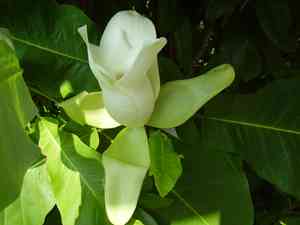
The Bigleaf magnolia (Magnolia macrophylla) is a remarkable tree recognized for its enormous foliage and striking blooms. Originating from the southeastern United States, this tree can be a fantastic addition to any garden. However, like any plant, it requires specific care, especially during colder months. The Bigleaf magnolia is generally resilient and can endure temperatures down to -18°C (0°F), but it still needs some extra attention to survive winter successfully.
How to Prepare Bigleaf magnolia for Winter
When to Start Winter Preparation?
Begin preparing your Bigleaf magnolia for winter in late autumn, typically around October or November, depending on your local climate. This allows the tree ample time to gradually adjust to the decreasing temperatures.
Soil and Mulching Techniques
First, assess the soil condition. Ensure the soil drains well to prevent waterlogging, which can be harmful in freezing conditions. Apply a thick layer of mulch, about 7.5-10 cm (3-4 inches), around the tree's base. This helps insulate the roots from harsh temperatures and reduces soil moisture loss. Use organic mulch like wood chips or straw for optimal results.
Watering Needs in Late Fall
Properly watering your Bigleaf magnolia as it approaches winter is essential. While you should reduce irrigation as temperatures fall, ensure the soil remains slightly moist. Deep watering before the ground freezes can help the tree sustain itself through the winter season.
Protecting Bigleaf magnolia from Frost
Using Frost Covers and Blankets
Protecting your Bigleaf magnolia from frost can significantly improve its chances of surviving the winter undamaged. Use frost covers or blankets, especially during unexpected cold snaps. These covers should be placed over the tree in the evening and removed in the morning once temperatures rise.
Positioning for Natural Windbreaks
If feasible, plant your Bigleaf magnolia near natural windbreaks such as walls, large shrubs, or other structures that can shield it from strong winter winds. This can lessen the risk of wind-induced frost damage.
Monitoring Bigleaf magnolia During Winter
Checking for Signs of Frost Damage
Regularly inspect your Bigleaf magnolia for any indications of frost damage, such as browning or wilting leaves. Early detection allows you to take prompt action to mitigate damage, such as adding additional layers of mulch or repositioning frost covers.
Adjusting Care Based on Weather Changes
Stay informed about weather forecasts throughout the winter. Sudden temperature drops or unexpected severe weather conditions may necessitate quick adjustments, like increased protection measures or supplemental watering on warmer days.
Preparing for Spring
Removing Mulch and Frost Protection
As winter recedes and temperatures begin to climb, gradually remove the protective covers and extra mulch. Doing this slowly helps the Bigleaf magnolia acclimate to the warmer weather without sudden changes that could stress the tree.
Pruning and Encouraging New Growth
Spring is the ideal time to prune your Bigleaf magnolia. Remove any damaged or dead branches to encourage new growth. Pruning can also help shape the tree and improve air circulation, promoting a healthier growing season.



