Enhancing Your Garden Design with the Primrose-leaf violet Plant: A Landscaping Guide
1
The Primrose-leaf violet flourishes in soil that is mildly acidic to neutral, allowing it to adapt to various garden environments.
2
Planting other species alongside Primrose-leaf violet can deter unwanted insects and improve your garden's overall look.
3
While the Primrose-leaf violet flowers mainly in spring, its abundant leaves provide beauty throughout the entire year.
Introducing Primrose-leaf Violet in Garden Settings
Overview of Primrose-leaf Violet's Aesthetic Appeal and Traits
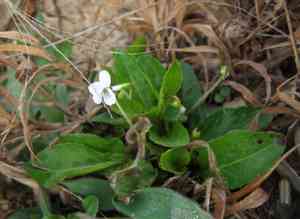
Primrose-leaf violet enhances any garden with its delicate, vibrant flowers that capture attention. Its lush green foliage, paired with striking blooms, creates a pleasing visual contrast. This perennial typically flowers in spring, yet its robust leaves maintain beauty year-round. Gardeners value Primrose-leaf violet for its hardiness and adaptability to various garden environments, making it a versatile option.
Primrose-leaf Violet's Function in Garden Design and Beauty
Leveraging its inherent beauty, Primrose-leaf violet can serve as a focal point or a complementary element in garden design. Its gentle hues are ideal for crafting tranquil and elegant spaces, whether in borders, as ground cover, or within mixed flower beds. The plant's versatility allows it to integrate smoothly with other plant types, making it crucial for both formal and informal garden layouts. By including Primrose-leaf violet, you can introduce layers of texture and color, elevating your outdoor area's overall look.
Optimal Placement for Primrose-leaf Violet's Best Display
Prime Garden Spots for Planting Primrose-leaf Violet
Selecting the correct location for Primrose-leaf violet is vital for maximizing its visual and ecological advantages. This plant thrives in partial shade, making it perfect for planting beneath trees or along shaded garden beds. It also functions as an excellent border plant, defining pathways and garden edges with its striking appearance. Primrose-leaf violet's adaptability allows it to beautify rock gardens and shaded alpine settings, bringing charm to even challenging landscapes.
Understanding Light and Soil Needs
Primrose-leaf violet grows best in conditions with dappled sunlight, preferring morning sun and afternoon shade. This light balance ensures healthy growth and vivid blooms. The soil for Primrose-leaf violet should drain well but retain enough moisture to hydrate the roots. It performs well in slightly acidic to neutral soil, which aids nutrient absorption and flower production. Incorporating organic matter can improve soil texture, further supporting Primrose-leaf violet's requirements.
Companion Plants for Primrose-leaf Violet
Ideal Companion Plants to Pair with Primrose-leaf Violet
Choosing suitable companion plants for Primrose-leaf violet can amplify its presence and foster a healthier garden ecosystem. Ferns, hostas, and astilbes are excellent choices, sharing similar growing conditions and creating a beautiful, unified look. Pairing Primrose-leaf violet with spring bulbs like daffodils and tulips can add an extra burst of color in spring, creating a vibrant landscape. These combinations not only enhance visual appeal but also support each other's growth by optimizing light and soil resources.
Advantages of Selecting Appropriate Companions
Companion planting with Primrose-leaf violet offers numerous benefits, including pest management, improved plant health, and enhanced garden aesthetics. The right companions can attract beneficial insects, deter pests, and create a harmonious growing environment. For instance, pairing Primrose-leaf violet with pest-repellent plants such as chrysanthemums can naturally protect the garden. Furthermore, interplanting with species that have different nutrient needs can prevent soil depletion and maintain a balanced ecosystem, ensuring all plants flourish.
Seasonal Considerations for Primrose-leaf Violet
What to Expect from Primrose-leaf Violet Throughout the Seasons
Understanding Primrose-leaf violet's seasonal behavior helps maintain its beauty year-round. In spring, it bursts into full bloom, offering a spectacular floral display. During summer, its foliage remains lush and green, providing a cooling effect. As fall nears, flowering may decrease, but leaves often stay green until the first frost. In winter, Primrose-leaf violet enters dormancy, focusing energy on root development, preparing for the next growing season.
Tips for Sustaining Primrose-leaf Violet's Year-Round Beauty
To keep Primrose-leaf violet looking its best all year, consistent maintenance is crucial. In spring and summer, ensure adequate water, especially during dry periods. Mulching around the plant helps retain soil moisture and control weeds. Deadheading spent blooms encourages more flowers and maintains a neat appearance. As fall arrives, reduce watering to prevent root rot and apply compost to enrich the soil. Protect Primrose-leaf violet in winter with a thick layer of mulch to insulate roots and support its spring revival.
Creative Design Concepts Using Primrose-leaf Violet
Inventive Ways to Integrate Primrose-leaf Violet into Your Garden Layout
Incorporating Primrose-leaf violet into your garden design can be a delightful and rewarding endeavor. A popular design choice is to use it in woodland gardens, mimicking its natural habitat to create an enchanting, forest-like setting. Another idea is to plant Primrose-leaf violet in containers, which can be strategically placed on patios or decks for a splash of color and elegance. Additionally, Primrose-leaf violet can line garden paths, forming a natural, inviting walkway that enhances your garden's charm.
Examples of Successful Landscaping Projects Featuring Primrose-leaf Violet
Numerous successful landscaping projects beautifully demonstrate Primrose-leaf violet's potential. For instance, a renowned botanical garden showcased Primrose-leaf violet in its shaded garden area, creating a lush, serene environment that became a visitor favorite. Home gardens have utilized Primrose-leaf violet to form attractive borders around water features, blending seamlessly with the tranquil aesthetics of ponds and fountains. Another innovative project involved using Primrose-leaf violet in vertical wall gardens, adding a unique layer of greenery to outdoor living spaces.



