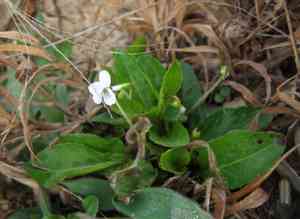
Primrose-leaf violet (Viola primulifolia)
Also known as: Small white violet
Primrose-leaf violet (Viola primulifolia) originates from eastern North America. When its seed capsule matures, it bursts into three sections, propelling the seeds outward.
In This Article
Attributes of Primrose-leaf violet
Lifespan
Perennial
Plant Type
Herb
Plant Height
8 cm to 20 cm
Spread
20 cm to 25 cm
Leaf Color
Green
Flower Size
2.5 cm
Flower Color
White
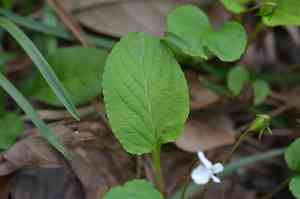
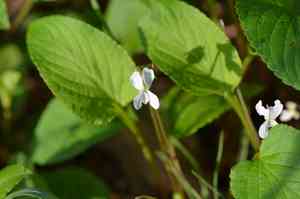
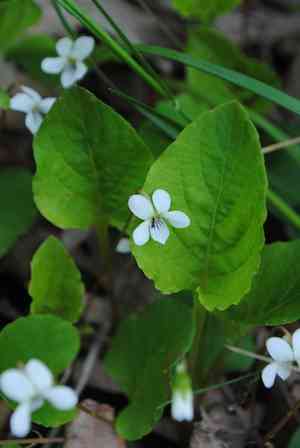
Images of Primrose-leaf violet
Quickly Identify Primrose-leaf violet
1
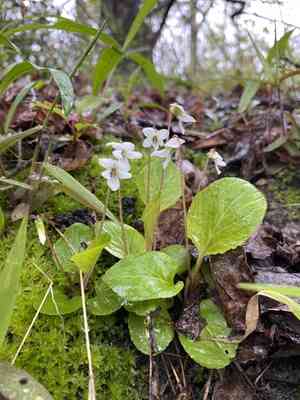
Identification of Viola primulifolia can be achieved by noting its small white flowers with a slight yellow center and its rounded, heart-shaped leaves which are reminiscent of primrose leaves. It typically flowers in spring and has a low-growing habit.
Scientific Classification of Primrose-leaf violet
Phylum
Vascular plants
Class
Dicotyledons
Order
Malpighiales
Family
Violet
Genus
Violets
Species
Primrose-leaf violet
Planting and Growing of Primrose-leaf violet
Care Difficulty
Easy
Watering Schedule
Every 4 days
Sunlight Requirements
Partial sun
Sunshine Duration
4-8 hours
Ideal Temperature
60-75℉
Soil Type
Potting Mix, Peat Mix
Soil pH
5.5-6.8
Fertilizer Type
Balanced
Pruning Season
Spring, Summer
Pruning Area
Branches, Leaves
Pruning Frequency
2 times a year
Repotting Season
Spring
Pot Type
Plastic, Ceramic
 How to Water Primrose-leaf violet?
Viola primulifolia thrives best with moderate watering. It's key to ensure the soil is moist but not waterlogged. Water until the soil feels evenly damp to the touch but be cautious to allow excess water to drain away.
What are the symptoms of an underwatered Primrose-leaf violet?
›
What should I do if my Primrose-leaf violet is not getting enough water?
›
What are the symptoms of an overwatered Primrose-leaf violet?
›
How to save an overwatered Primrose-leaf violet?
›
 What Are the Sunlight Requirements for Primrose-leaf violet?
Partial shade is the ideal light condition, offering balance for healthy growth. Benefits include optimal photosynthesis and prevention of dehydration and overheating.
More About Sunlight Requirements Techniques→
Where should I place it?
›
What type of container should I use?
›
How can I ensure consistent lighting?
›
 What Is the Ideal Temperature Range for Primrose-leaf violet?
Viola primulifolia thrives best within an ideal temperature range of 60°F to 75°F. These temperatures are optimal as they mimic the natural conditions found in its typical growing habitats, ensuring efficient photosynthesis and minimization of stress. Maintaining this range helps the plant in healthy foliage development and flowering, providing vigorous and robust growth. Extreme deviations from this range can induce stress responses that inhibit these processes, emphasizing the need to monitor environmental conditions closely.
 What Soil is Best for Primrose-leaf violet?
Viola primulifolia thrives in well-drained soils which prevent waterlogging that could lead to root rot. Ensuring good drainage promotes healthy root development and aids in the efficient absorption of nutrients. A soil with moderate nutrient content benefits Viola primulifolia by providing essential macronutrients without overwhelming the plant. Balanced fertilization supports lush foliage and vibrant flowering. Consistent soil moisture is crucial for Viola primulifolia as it helps in maintaining cell turgidity and supports sustained photosynthesis. It prevents wilting and promotes steady growth.
 How to Fertilize Primrose-leaf violet?
For Viola primulifolia, the ideal amount of fertilizer is a diluted solution at half the strength recommended for most houseplants to avoid nutrient burn. Typically, you should aim for a 20-10-20 NPK ratio fertilizer, using about one tablespoon per gallon of water when applying liquid fertilizer.
 How to Prune Primrose-leaf violet?
Start by closely examining your Viola primulifolia for any discolored, dead, or damaged leaves and stems. These should be removed first to prevent any disease spread and to encourage healthier growth. When pruning, make clean, angled cuts just above a leaf node or an outward-facing bud. Angled cuts help shed water more easily, preventing water from pooling and leading to rot. Trim back any overreaching stems to maintain a compact shape. This not only keeps the plant looking tidy but also improves air circulation, which can reduce disease incidence.
More About Pruning Techniques→
 How to Propagate Primrose-leaf violet plant?
1
Start by preparing a seed tray with a fine seed starting mix. Sow the seeds on the surface and lightly cover them with a thin layer of vermiculite. Maintain consistent moisture and place the tray in a warm, bright location to encourage germination.
2
In early spring, carefully lift the mature plant using a garden fork. Gently shake off any excess soil and use a sharp knife to divide the root ball into smaller sections, ensuring each section has roots and shoots. Replant these in individual pots or suitable garden locations.
3
After propagation, whether by seed or division, it's crucial to water the plants adequately. Ensure the soil is moist but not waterlogged. Monitor the plants regularly for growth and adjust watering as needed.
 How to Repot Primrose-leaf violet plant?
1
Viola primulifolia should be repotted when the roots begin to outgrow the current pot or if the soil has become compacted and depleted of nutrients. Spring and early summer are ideal times to repot as the plant is actively growing. Look for signs such as roots emerging from drainage holes or stunted growth, which indicate a need for fresh soil and space.
2
Choose a pot that is one to two inches larger in diameter than the current one to give the roots room to grow without overwhelming them. This ensures the roots have adequate space to expand, encouraging healthy growth. Opt for pots with good drainage holes to prevent root rot, a common ailment in overly saturated conditions.
3
Select a well-drained, nutrient-rich potting mix that retains moisture while allowing excess water to escape. A blend containing perlite or sand can be beneficial to improve aeration. This type of soil prevents waterlogging, which can suffocate roots and impede growth, while still providing essential nutrients for plant health.
Learn More About Primrose-leaf violet Diseases
Anthracnose
Bacterial Leaf Spot
Black Spot
Chemical Injury
Crown Gall
Damping-off
Downy Mildew
Drought Stress
Fusarium Wilt
Gray Mold
Leaf Curl
Leaf Spot
Mosaic
Nutrient Deficiency
Nutrient Toxicity
Powdery Mildew
Root Rot
Root-knot Nematode
Rusts
Sooty Mold
Spider Mites
Temperature Stress
Thrips Damage
White Mold



