The Primrose-leaf violet Plant Advantage: Maximizing Home and Office Appeal and Wellness
1
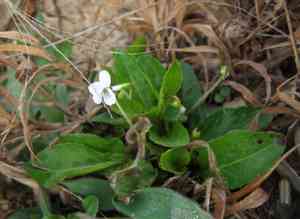
Superb low-growing plant featuring attractive white blooms.
2
Draws in beneficial insects such as bees and butterflies to your outdoor space.
3
Contributes to visual appeal and boosts ecological variety in garden environments.
Why Incorporate Primrose-leaf Violet into Your Garden?
Visually Appealing
A primary motivation for adding Primrose-leaf violet to your garden is its inherent beauty. This plant produces striking white blossoms that can brighten any outdoor space. These flowers not only impart a touch of sophistication but also establish a pleasing visual contrast with other flora, making Primrose-leaf violet a versatile option for garden design enthusiasts.
Boosts Biodiversity
Integrating Primrose-leaf violet into your garden can significantly enhance its ecological diversity. Biodiversity is vital for fostering a robust and healthy ecosystem. By providing a habitat and nectar source for bees, butterflies, and other pollinators, Primrose-leaf violet plays a crucial role in the natural food web. A garden rich in diverse life forms is not only more attractive but also more resistant to pests and diseases.
Effortless Upkeep
For many gardeners, the allure of Primrose-leaf violet stems from its minimal care requirements. This robust plant flourishes with little attention, making it an excellent choice for both novice and seasoned gardeners. It needs well-drained soil and partial to full sun exposure. Consistent watering promotes its growth, but it can endure brief dry spells, adding to its adaptability.
How Does Primrose-leaf Violet Benefit Your Local Ecosystem?
Draws in Pollinators
Pollinators are fundamental to the health of our ecosystems, and Primrose-leaf violet is particularly effective at attracting them. The plant's white flowers act as a magnet for bees, butterflies, and other beneficial insects. By cultivating Primrose-leaf violet, you can help sustain local pollinator populations, which are crucial for the reproduction of many plant species and the yield of fruits and vegetables in your garden.
Supports Soil Vitality
Another often-overlooked advantage of Primrose-leaf violet is its capacity to bolster soil health. The plant's root system aids in stabilizing the soil, preventing erosion. Furthermore, its presence can improve soil structure and fertility over time, creating a more vigorous environment for other plants in your garden. Healthy soil is fundamental for any garden, ensuring that plants receive the nutrients they need to grow and thrive.
Optimal Practices for Cultivating Primrose-leaf Violet
Planting and Soil Needs
To successfully cultivate Primrose-leaf violet, begin by selecting a site with well-drained soil and access to partial or full sunlight. Prepare the soil by loosening it and removing any weeds or debris. Primrose-leaf violet can be grown from seeds or transplanted from nursery containers. If sowing seeds, plant them directly into the soil and cover lightly. Water the area moderately to aid germination.
Watering and Fertilization
While Primrose-leaf violet is relatively low-maintenance, consistent watering is crucial, especially during dry periods. Ensure the soil remains moist but not waterlogged to prevent root rot. Fertilization is generally not necessary, as Primrose-leaf violet can thrive in less fertile soils. However, you can apply a balanced, slow-release fertilizer in early spring to encourage vigorous growth and blooming.
Common Issues and Solutions When Growing Primrose-leaf Violet
Pests and Diseases
Although Primrose-leaf violet is resilient, it is not entirely immune to pests and diseases. Common problems include aphids and powdery mildew. Regular inspection and prompt action can keep these issues under control. For aphids, use insecticidal soap or introduce natural predators like ladybugs. To prevent powdery mildew, ensure adequate air circulation around the plants and avoid excessive watering.
Managing Expansion
Another potential challenge might be controlling the spread of Primrose-leaf violet in your garden. While its ground cover characteristics are beneficial, they can sometimes lead to overgrowth. Periodically thinning out the plants and pruning can help manage their spread and ensure they donât outcompete other garden inhabitants.



